
The Ultimate Bath Screen Buying Guide
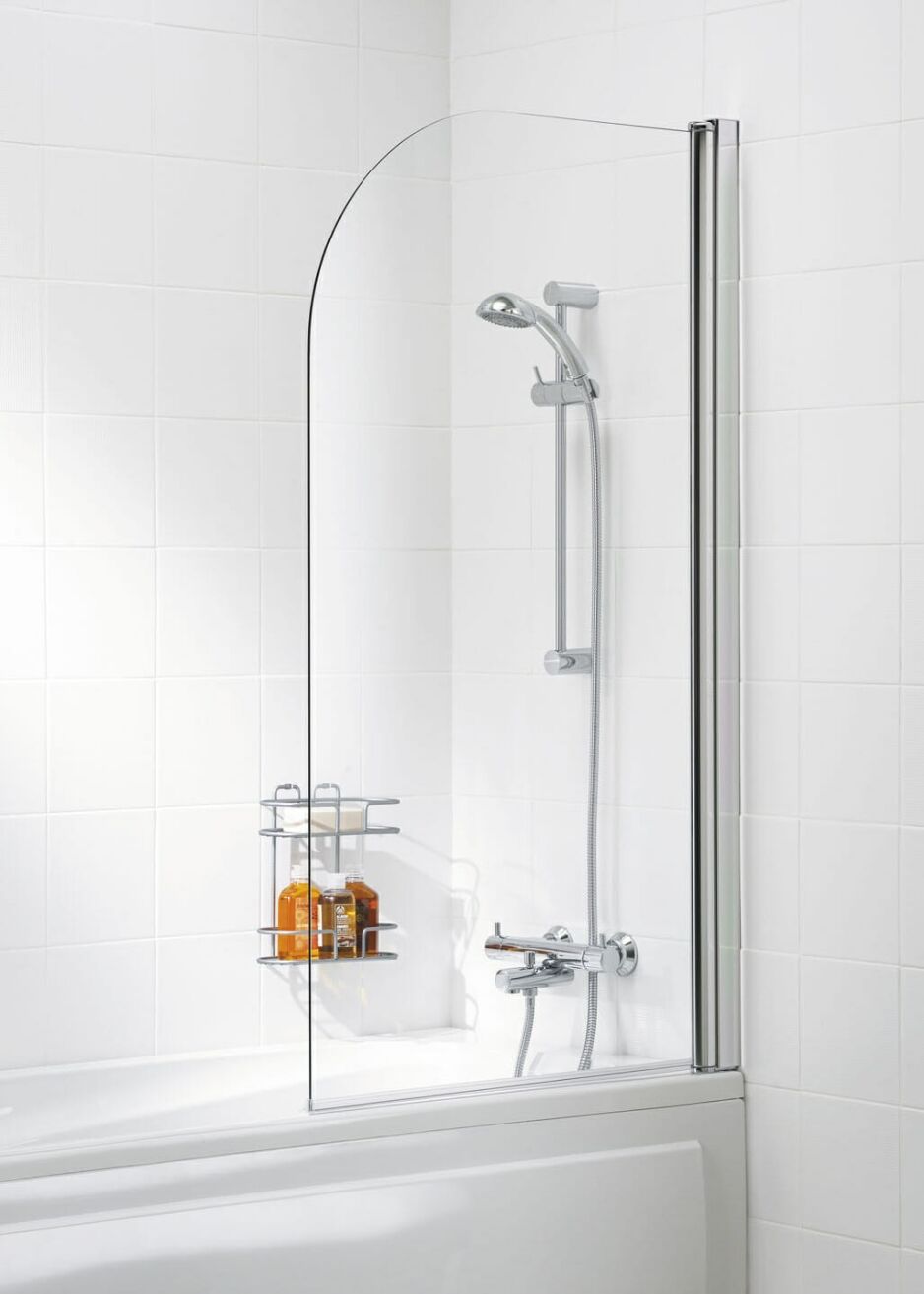
A bath screen can look great in a bathroom display and still be completely wrong for your bath. This bath screen buying guide will help you avoid that mistake. The shape of the glass matters, but so do your bath’s edge, the space available and how your household uses the bath.
To choose the right bath screen, start by checking whether your bath can accommodate a glass panel. Then consider whether a fixed or pivot screen offers better access, measure the available space and check the glass dimensions. Finally, confirm which fittings you’ll need, as these are often sold separately.
If you’re wondering how to choose a bath screen, the good news is that the options are fairly straightforward. Fixed and pivot screens each have their advantages, while square and curved designs give you different looks.
The trick is getting those choices right for your bathroom, rather than choosing on appearance alone.
Types of Bath Screens
There are several types of bath screens, but the main difference is how the glass operates. Some screens stay fixed in place, while others can swing open to make accessing the bath easier. At Ross’s, we stock both fixed and pivot bath screens. Each comes in square and curved designs, which we’ll look at next.
Fixed Bath Screens

A fixed bath screen is a stationary glass panel that sits along part of the bath. It doesn’t open or move, making it a straightforward option for bathrooms where there’s enough space to step into the bath around the glass.
Our Alpine Fixed Square and Alpine Fixed Curved Bath Screens are examples of this design. Both provide a permanent glass barrier without a moving door.
The main consideration is access. A fixed panel can make reaching bath taps, bathing young children or cleaning the bath less convenient. And because the glass only covers part of the bath, some shower water can still escape through the open section.
Pivot or Hinged Bath Screens

A pivot bath screen has a movable glass panel that swings on hinges, allowing you to move it aside when accessing the bath.
Our Alpine Pivot Square and Alpine Pivot Curved Bath Screens offer this functionality.
The advantage is flexibility, particularly if you regularly use the bath for bathing rather than showering. However, you’ll need to consider whether the glass has enough room to move without hitting a nearby vanity, towel rail or other fixture.
For a closer comparison of how each option works, read our guide to fixed versus pivot bath screens.
Other Bath Screen Configurations
You’ll also come across folding and sliding bath screens, which use multiple panels or tracks. Some designs have visible frames, while others use largely frameless glass for a more open appearance.
These are alternatives available in the wider market, rather than part of our current Alpine bath-screen range.
Once you’ve decided how you want the screen to operate, the next choice is its shape and overall appearance.
Bath Screen Shapes and Designs
Once you’ve decided between a fixed and pivot screen, the next consideration is its appearance. Bath screens come in different shapes and styles, but it’s important to distinguish the shape of the glass from how the screen operates. At Ross’s, our Alpine range offers both square and curved designs in fixed and pivot configurations.
Square Bath Screens
Square bath screens have straight edges and a clean, angular outline. They’re a popular choice for contemporary bathrooms, particularly where straight lines feature in the tiles, vanity and other fittings.
Our Alpine Fixed Square and Alpine Pivot Square Bath Screens offer this simple, uncluttered appearance. Both have the same glass dimensions, so the choice comes down to whether you prefer a stationary or movable panel.
Curved Bath Screens
Curved bath screens have a softened upper edge, giving the glass a more flowing appearance without changing its basic function.
Our Alpine Fixed Curved and Alpine Pivot Curved Bath Screens offer this alternative. They can work particularly well in bathrooms where you want to soften the look of square tiles and angular fixtures.
Frameless and Framed Appearance
The amount of visible framing also affects how a bath screen looks. Frameless designs, like our Alpine glass panels, keep metalwork to a minimum and allow more of the bathroom finishes to remain visible.
Framed and semi-framed screens have more noticeable metal surrounds, which can suit different bathroom styles.
Whichever appearance you prefer, the next step is making sure the screen will actually suit your bath and available space.
How to Choose the Right Bath Screen for Your Bath
Before buying, make sure the screen will suit your bath and bathroom layout. Not every bath has a suitable edge for a glass panel, and even the right-sized screen can be awkward to use if there isn’t enough space around it.
Check the Bath’s Shape and Edge
Start by looking at the edge of your bath where the screen would sit. A flat, level rim against an adjoining wall generally provides a more suitable arrangement than a narrow, rounded or uneven edge.
Traditional inset baths used for shower-over-bath combinations are often well suited to glass screens. Other designs need more consideration. For example, some back-to-wall baths have curved edges or raised rims that may make a standard screen unsuitable.
The important thing is the actual shape of your bath, not simply whether it’s described as inset, freestanding or back-to-wall.
Measure the Space Available
Taking a few bath screen measurements before shopping can save you from choosing a panel that’s too large, too small or inconvenient to use.
Use these five checks to assess your available space:
- Bath rim: Measure the usable flat section at the end where the screen will sit. Note any curved, sloping or uneven areas.
- Wall height and shower position: Measure the available height above the bath rim. Note where your showerhead sits and which direction it sprays.
- Panel width and splash coverage: Compare the screen width with your bath length and the area exposed to shower water.
- Opening and access clearance: Check how much room remains for stepping into the bath, reaching the taps and moving a pivot screen.
- Obstacles and wall alignment: Look for nearby vanities, towel rails or other fittings that could obstruct the glass. Note any obvious unevenness where the bath meets the wall.
For reference, all four Alpine bath screens we stock measure 850 mm wide by 1500 mm high. These bath screen sizes are useful starting points, but the panel dimensions alone don’t establish whether a screen will suit your bathroom.
Think About Bath Access and Shower Position
Consider how everyone in your household uses the bath. A fixed panel might work perfectly for daily showers but become inconvenient when you’re bathing young children or cleaning around the taps.
A pivot screen offers more flexibility, provided there’s enough room for the glass to move.
Your showerhead position matters too. If water sprays directly at the open end of the bath, even a well-positioned glass panel may not contain every splash.
Once you’re confident a screen will suit your space, it’s worth considering the everyday benefits and drawbacks of choosing glass over a shower curtain.
Benefits and Drawbacks of Glass Bath Screens
Glass bath screens offer several practical advantages over shower curtains, but they’re not necessarily the best choice for every household. Understanding the bath screen pros and cons will help you decide whether a permanent glass panel suits your bathroom and how you use it.
Benefits Worth Considering
The benefits of shower bath screens go beyond appearance. They can make a shower-over-bath arrangement more practical, particularly in smaller bathrooms.
- Better splash control: A solid glass barrier helps contain shower water, reducing the amount that reaches the surrounding bathroom floor.
- A more spacious feel: Clear glass allows light to pass through, keeping smaller bathrooms feeling open rather than visually divided by a curtain.
- A neat, permanent finish: One of the main advantages of bath screens is their clean appearance, without a curtain hanging across the bath.
- No troublesome shower curtain: Glass won’t cling to you while showering, and there’s no curtain to pull across, straighten or regularly replace.
Drawbacks to Consider
The disadvantages of bath screens are just as important, especially if your bath gets used regularly by the whole family.
- Higher upfront cost: Glass panels cost more than shower curtains, and the necessary fittings are generally purchased separately.
- Regular cleaning: Soap residue and watermarks can accumulate on glass, even with an easy-clean coating.
- Less flexibility: Fixed panels can make bathing children or reaching taps awkward, while pivot screens need room to move.
- Limited privacy: Clear glass offers little privacy in a shared bathroom.
- Incomplete splash protection: A partial glass panel won’t necessarily contain every splash, particularly if the showerhead points at the open end.
For most households, the decision comes down to balancing appearance and everyday convenience against cost, cleaning and access.
Before buying, it’s also worth checking exactly what the glass panel includes, particularly the fittings and warranty.
What to Check Before Buying a Bath Screen
Once you’ve settled on the type and shape of screen you want, there are a few product details worth checking before you order. Glass thickness, cleaning features, warranty coverage and what’s included in the price can all affect your final choice.
Check Glass Dimensions and Features
All four Alpine bath screens we stock at Ross’s share the same specifications:
- Glass dimensions: 850 mm wide × 1500 mm high × 10 mm thick.
- Glass type: Toughened safety glass.
- Surface treatment: EASYClean coating to help make routine cleaning easier.
- Design options: Fixed or pivot panels, each available in square and curved profiles.
The EASYClean coating is a useful feature, but it doesn’t make the glass self-cleaning. You’ll still need to remove soap residue and watermarks to keep it looking its best.
Check What Fittings Are Included
This is one detail that’s easy to overlook. Our Alpine bath screens are sold as glass panels only, so the fittings are a separate purchase.
Depending on the screen, the available hardware includes:
- Mounting brackets: U-shaped and F-shaped brackets are available for fixed glass panels.
- Wall channels: Another mounting option available for fixed panels.
- Pivot hinges: Required for pivoting glass panels, allowing the screen to move.
Not every fitting suits every screen. Before ordering, confirm which hardware is compatible with your chosen panel. It’s a simple check that can prevent an incomplete purchase or the inconvenience of ordering additional parts later.
Understand the Lifetime Warranty and Ongoing Care
All four Alpine bath screens come with a lifetime warranty for domestic applications, giving you added confidence in your purchase.
However, the warranty doesn’t cover everything. Wear-and-tear components, such as wheels and rubber seals, are excluded. Separately purchased hardware may also have different warranty conditions.
Regular cleaning is still important, regardless of the warranty or EASYClean coating.
You can see the four Alpine designs and their separately available accessories in our bath shower screens range.
With those details covered, there are just a few common buying questions worth answering before you make your final choice.
Frequently Asked Questions
Still have a few questions before choosing your bath screen? These answers cover some of the practical details worth knowing before you buy.
Which Bath Screen Should You Choose?
The right bath screen is one that suits your bathroom layout and makes everyday use of the bath easier. Start with the practical considerations, then choose the design you prefer.
If you want a simple, stationary glass panel and have enough room to access the bath comfortably, a fixed screen could be a good choice. If you regularly bathe children or prefer to move the glass aside, a pivot screen may be more convenient, provided there’s enough clearance.
Once you’ve decided, choose between a square or curved design and double-check the panel dimensions. Remember to allow for the cost of compatible fittings and consider the cleaning requirements and warranty.
Once you know which configuration suits your bathroom, you can browse our bath shower screens in Perth online or visit our Guildford showroom to compare the four Alpine designs before purchasing.
