
How to Choose a Bath: The Ultimate Buying Guide
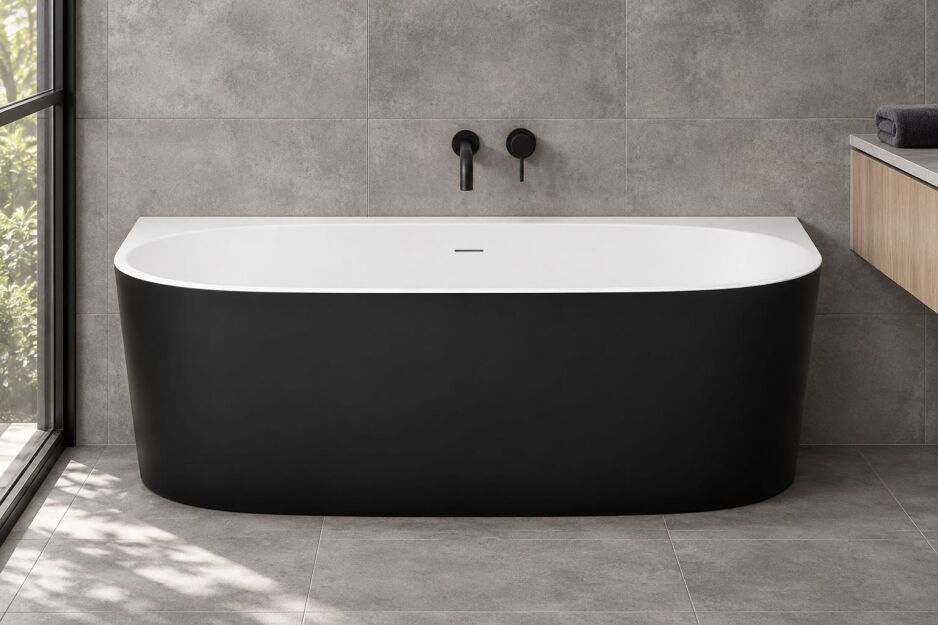
A bath can look great in a photo and still be the wrong choice for your bathroom. Knowing how to choose a bath means looking at your bathroom layout and the people who’ll use it before settling on a style. A freestanding design might appeal, but a back-to-wall design could make far more sense if there isn’t enough room to clean around it.
If you’re replacing an existing bath, the space and plumbing you already have will influence your options. Planning a new layout gives you more flexibility, but you’ll still need to consider how the bath works alongside the other fixtures. Then there’s comfort. Two baths with similar outside measurements can feel very different once you’re sitting in them.
This bath buying guide will help you narrow down the type, size and material that suit your needs, then check the practical details before ordering. The aim is a bath you’ll enjoy using, not just looking at.
Start With Your Bathroom Space and Who Will Use the Bath
Before choosing a bath, look at two things: where it can fit and who will use it most. A bath that’s great for a long soak might not be the most practical choice for a busy family bathroom. And if you’re replacing an existing bath, its current position and plumbing may influence which designs make sense.
Check Where the Bath Can Actually Fit
Start by looking at your bathroom layout. Can the bath fit along a wall, into an alcove, or in a corner? Or is there enough room for a freestanding design?
Don’t just measure the space the bath will occupy. Consider how it affects access to your shower, vanity, toilet and bathroom door. A freestanding bath might technically fit but leave a narrow gap that’s difficult to clean.
If you’re replacing an existing bath, keeping a similar configuration may reduce the need for plumbing changes. You can still choose a different style, but it’s worth checking what’s involved before making that decision.
Choose for the People Who Will Use It
Think about how your household actually uses a bath. Families with young children may prefer something that’s easy to reach into, while adults who enjoy soaking might prioritise deeper water and a comfortable reclining position.
Taller users should consider internal bathing space, not just the bath’s overall length. A high rim can also make getting in and out harder for anyone with limited mobility.
If your bathroom needs both bathing and showering facilities but space is limited, a combined setup may be worth considering. Our guide to shower bath combinations explains the practical benefits.
Once you’ve established these priorities, it’s much easier to narrow down the bath types that will suit your home.
Choose the Right Type of Bath
There are several types of baths to choose from, and each has its advantages. If you’re wondering how to choose a bath that suits your bathroom, look beyond appearance. The main differences come down to how each bath is positioned, how much space it uses and how easy it is to maintain.
Here’s a quick comparison of the four main options.
| Bath Type | Usually Suits | Main Trade-Off | Check Before Choosing |
| Inset or built-in | Family bathrooms, existing bath replacements and shower-over-bath setups | Requires a surround or hob and associated finishing work | Available space and finished surround dimensions |
| Freestanding | Bathrooms with suitable floor space and flexible layouts | Can leave awkward gaps that are difficult to clean | Positioning, plumbing and cleaning access |
| Back-to-wall | Bathrooms where a bath needs to sit against a wall | Requires a suitable wall junction and tapware arrangement | Wall fit, waste position and tapware |
| Corner | Bathrooms where corner placement works with the layout | May occupy more floor space than expected | Overall footprint and left- or right-hand orientation |
The best choice isn’t necessarily the most expensive or fashionable. It’s the one that works comfortably within your bathroom without making everyday use or cleaning unnecessarily difficult.
Inset and Built-In Baths

Inset baths fit into a constructed surround, often finished with tiles. They’re a practical option for replacing an existing built-in bath, particularly if you want to retain a similar layout.
They can also work well in bathrooms where the bath doubles as a shower, provided the bath and surrounding installation are suitable.
Remember that the bath itself is only part of the finished result. The surrounding structure, tiling and associated work also need to be considered.
Freestanding Baths
Freestanding baths have exposed outer surfaces and don’t require a traditional tiled surround. They offer flexibility in positioning and can make an attractive feature in a bathroom.
You don’t necessarily need a large bathroom to have one. Smaller freestanding designs are available, although the layout must allow suitable access around the bath.
One thing I wouldn’t compromise on is cleaning access. A bath that leaves an awkward gap against the wall can quickly become frustrating to maintain.
If this style appeals to you, our freestanding bath buying guide covers the options in more detail.
Back-to-Wall and Corner Baths
Back-to-wall baths have a straight rear edge that fits against the wall, giving you a freestanding-style appearance without leaving a gap behind the bath. They’re particularly useful where cleaning access or floor space is a concern.
Our comparison of the benefits of back-to-wall baths over freestanding baths explains the practical differences.
Corner baths are designed for corner placement, but they aren’t automatically the most space-efficient option. Their shape and footprint still need to suit the room.
Some models also come in left-hand and right-hand configurations. Our corner baths guide explains how to choose the correct orientation.
Check Bath Size, Shape and Comfort
A bath might fit perfectly into your bathroom but still feel cramped or uncomfortable to use. Overall dimensions tell you how much floor space it needs, but they don’t tell you how much room you’ll have inside. Before choosing a size, consider the internal shape, bathing depth and how easy it is to get in and out.
Look Beyond the Advertised Length
Two baths with the same external length can offer surprisingly different amounts of bathing space. A thick rim takes up room, while a steeply sloping backrest can reduce the space available for your legs. The shape of the base also affects how comfortably you can sit or stretch out.
This is why I wouldn’t choose a bath based on its advertised length alone. Check the internal dimensions on the product specification sheet where they’re provided. If you can, visit our Guildford showroom and sit in a displayed bath to get a better feel for its shape and proportions.
For more detailed measurements and common configurations, our guide to bath sizes in Australia explains what to look for.
Check Depth, Entry Height and Sitting Comfort
A deeper bath might sound more comfortable, especially if you enjoy a long soak. But don’t confuse the overall height of the bath with the depth of water you’ll actually get. The internal shape and overflow position affect the usable water depth.
Think about how you’ll sit in the bath, too. A gently sloping backrest may feel comfortable for reclining, while a more upright design could suit someone who prefers sitting up.
Also, consider the height of the rim. Higher sides can make stepping in and out more difficult, particularly for children or anyone with limited mobility. If you’ll regularly be bathing young children, being able to reach comfortably into the bath is another practical consideration.
Comfort is personal, so checking the actual shape and proportions before buying is well worth the effort.
Compare Bath Materials
The material you choose affects more than the appearance of your bath. It can influence its weight, price, surface durability and cleaning requirements. Different materials have their advantages, but the quality of construction and finish matters just as much as the material itself.
Acrylic Baths
Acrylic is a popular choice for modern bathrooms, and it’s the main material used across Ross’s bath range. Many of our models feature acrylic reinforced with fibreglass, which adds strength and support to the bath’s construction.
One of acrylic’s practical advantages is its relatively light weight compared with materials such as cast iron or stone resin. This can make transport and handling easier, particularly during a renovation where access is limited.
Acrylic also has a smooth, non-porous surface that’s generally straightforward to clean. However, it can scratch if you use abrasive cleaners or scouring pads. Always follow the manufacturer’s care instructions, as finishes and cleaning recommendations can vary between products.
Other Materials to Understand
You’ll also come across baths made from stone resin, solid-surface materials, steel and cast iron. These can offer different finishes, construction methods and weight characteristics.
Stone resin and solid-surface baths are often chosen for their substantial feel and appearance, although their weight, price and cleaning requirements vary considerably between products.
Steel and cast iron baths typically have an enamelled finish. Cast iron is particularly heavy, while steel can be considerably lighter depending on its construction. Both require care to avoid damaging the enamel.
There’s no single material that’s best for everyone. For most homeowners, the sensible approach is to compare the actual product specifications, cleaning instructions and total cost rather than choosing based on material alone. If you’re considering a particularly heavy bath, have your installer confirm that the proposed location and structure are suitable.
What to Check Before Buying a Bath
Once you’ve settled on a bath type, there are a few final checks worth making before you order. Knowing how to choose a bath also means confirming that the particular model will work with your bathroom layout, plumbing and budget. Getting these details right now can save you from an expensive mistake later.
- Confirm the dimensions and access: Check the bath’s exact measurements against your available space, including any surrounding fixtures. Don’t forget about getting it into the bathroom. Measure doorways, hallways and tight corners along the delivery route, particularly if you’re choosing a large freestanding bath.
- Check the waste, overflow and tapware: Look at where the bath’s waste outlet is positioned and whether it includes an overflow. Some baths come with waste fittings, while others require separate purchases. Also, check that your existing or planned tapware will work with the bath’s shape, rim and position.
- Confirm any plumbing changes: If you’re replacing an existing bath with a different configuration, don’t assume the plumbing will line up. Have a licensed plumber check what’s involved before ordering. The WA Government’s plumbing guidance explains which work requires a licensed professional.
- Check what’s included and allow for the full cost: Read the product specifications to confirm what’s supplied, including any required supports, fittings and installation instructions. Check the warranty and recommended cleaning products, too. Remember to allow for any associated plumbing, building or finishing work. Our guide to bath costs in Perth explains the expenses you may need to budget for.
Once you’ve chosen a suitable model, it’s worth understanding how the different bath types are fitted. Our guide on how to install a bath explains the support, plumbing and finishing requirements for freestanding, inset, back-to-wall and corner baths.
These checks might seem minor compared with choosing the style, but they’re what help turn a bath you like into one that actually works in your bathroom.
FAQs About Choosing a Bath
Choosing the right bath often raises a few questions about space, comfort and everyday practicality. These answers cover some of the most common considerations before buying.
Choosing the Right Bath for Your Home
Knowing how to choose a bath comes down to finding the right balance between comfort, practicality and the space you have available. Start with who’ll use it most and where it needs to fit, then narrow down the configurations that make sense for your bathroom. Once you’ve settled on a style, compare the internal bathing space, depth and material rather than choosing on appearance alone.
Before ordering, double-check the exact dimensions, waste position, tapware compatibility and any plumbing changes your chosen bath might require. These final details are just as important as the design, especially if you’re replacing an existing bath.
You can explore our range of baths in Perth to compare the available styles and sizes. If you’re still unsure about comfort or proportions, visit our Guildford showroom to discuss your options and inspect the models on display.
