
Matching Bathroom Tapware: How to Coordinate Basin, Shower & Bath Taps
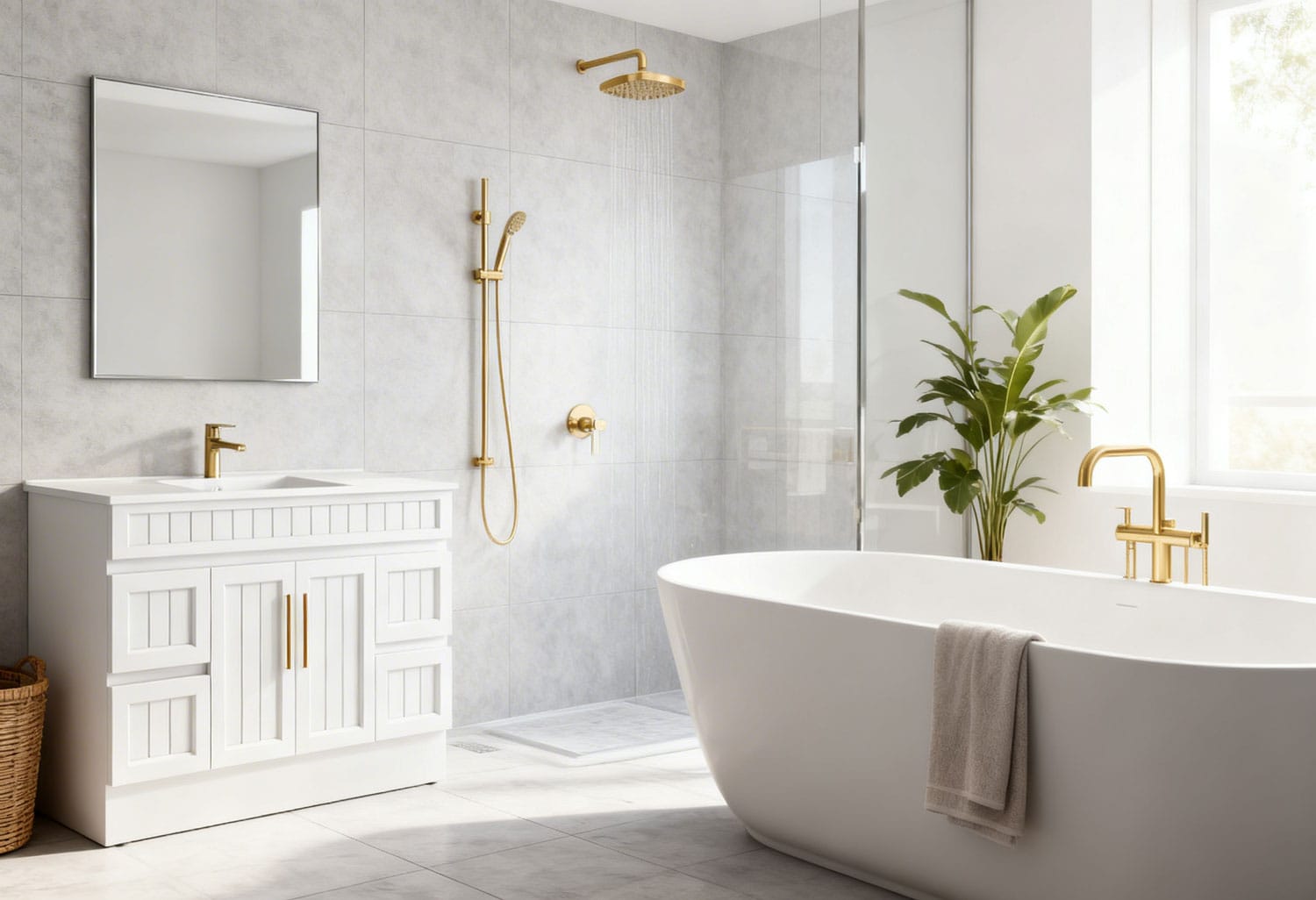
Matching bathroom tapware might sound like a small detail, but it’s often the difference between a bathroom that looks professionally designed and one that feels slightly off. I’ve seen plenty of renovations where the basin mixer, shower set and bath spout were all chosen separately. Each piece looked good on its own, but together they lacked consistency in finish and proper fixture coordination.
Bathroom tapware isn’t just decorative. It plays a big role in cohesive bathroom design and practical performance. Pressure requirements need to align. Mixer styles should complement each other. Finishes must genuinely match, not just “look similar” under showroom lighting.
In this guide, I’ll walk you through how to coordinate your basin, shower and bath tapware properly — from finishes and mixer types to pressure compatibility — so your bathroom feels intentional, balanced and built to last.
Should Bathroom Taps Match? Here’s the Smart Answer
Should bathroom taps match? The short answer is no — they don’t have to be identical. But they absolutely need to coordinate.
There’s a big difference between matching and complementing. Matching means choosing the exact same range for your basin mixer, shower mixer and bath spout. Complementing means selecting fixtures with a consistent finish, a similar handle style, and an overall balanced design.
In my experience, bathrooms that look the most polished aren’t always the ones where everything is identical. They’re the ones where the tapware feels intentionally selected. A round basin mixer paired with a square shower head, or brushed gold mixed with polished gold, can quickly disrupt a modern bathroom design.
Exact matching works particularly well in minimalist bathrooms, smaller spaces, and clean contemporary tapware layouts where simplicity is the goal. In larger bathrooms or a statement bathroom design, you can introduce variation — but it needs to be deliberate, not accidental.
If the tapware in your bathroom feels coordinated, your bathroom will feel complete.
How to Match Bathroom Tapware Without Making Costly Mistakes
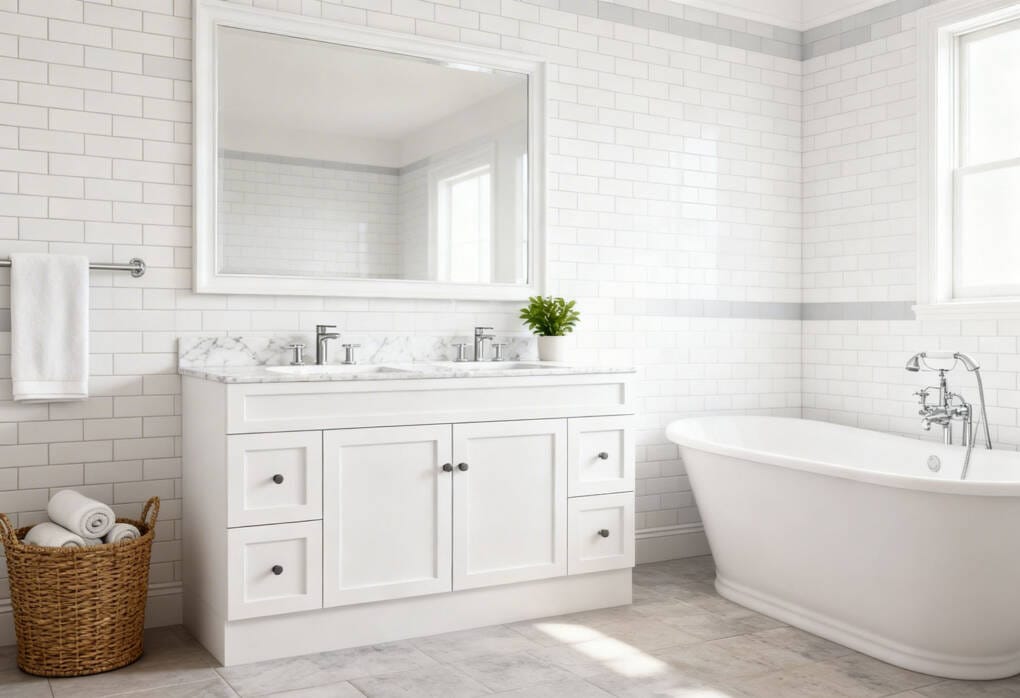
If you’re wondering how to match bathroom tapware properly, the key is to think beyond colour. Matching isn’t just about choosing black or chrome. It’s about lining up finish, form and function so everything works together — visually and practically.
Here’s the step-by-step approach I recommend.
1. Choose Your Finish First
Start with the finish of your bathroom tapware. Matte black, brushed nickel, chrome, brushed gold and gunmetal all create very different looks. Lock this in before you look at shapes or styles.
I’ve seen customers choose a basin mixer in brushed gold, then later realise the shower set they like is a slightly different tone. Under bright lights, they look similar. Installed in a bathroom, the variation stands out immediately. If you’re unsure about undertones or how finishes compare, take a look at our guide, Decoding Tapware Finishes: From Chrome to Brushed Nickel, before committing.
Getting your tapware finish consistent from the beginning makes the rest of the decisions much easier, right down to matching the pop-up waste to your basin mixer.
2. Keep the Same Handle Style
Next, keep your mixer style consistent. If your basin mixer has a slimline lever, your shower mixer and bath tap should follow the same language. Mixing a modern pin lever with a chunky cross handle usually feels accidental rather than intentional.
Handle style plays a big role in modern bathroom fittings. Even small differences can disrupt the overall architectural design of the space.
3. Align Shapes
Round with round. Square with square. Slimline with slimline.
A curved basin mixer paired with a sharp-edged shower head creates visual tension. That might work in a bold, designer-led space, but in most bathrooms, it throws off the balance. When your bathroom tap styles share similar profiles, the room feels settled and cohesive.
4. Confirm Spout Style and Projection
Spout projection is often overlooked. A long, dramatic bath spout paired with a short, compact basin mixer can look mismatched. The proportions need to make sense together.
This isn’t just aesthetic. The wrong spout projection can also affect splashback and usability. Always check measurements and compare proportions across all fixtures.
5. Confirm Installation Type
Finally, check your installation type. A wall-mounted mixer above the vanity paired with a deck-mounted tap for the bath can work — but only if the rest of the tapware shares the same design language.
Wall-mounted mixers tend to suit minimalist, floating vanities. Deck-mounted taps are more common with inset basins and traditional layouts. Mixing installation types without thinking it through is one of the most common renovation mistakes I see.
When all five of these elements align — finish, handle, shape, spout and installation type — your tapware feels deliberate. That’s when a bathroom moves from looking assembled to looking professionally designed.
Matching Shower and Basin Taps: More Than Just Colour
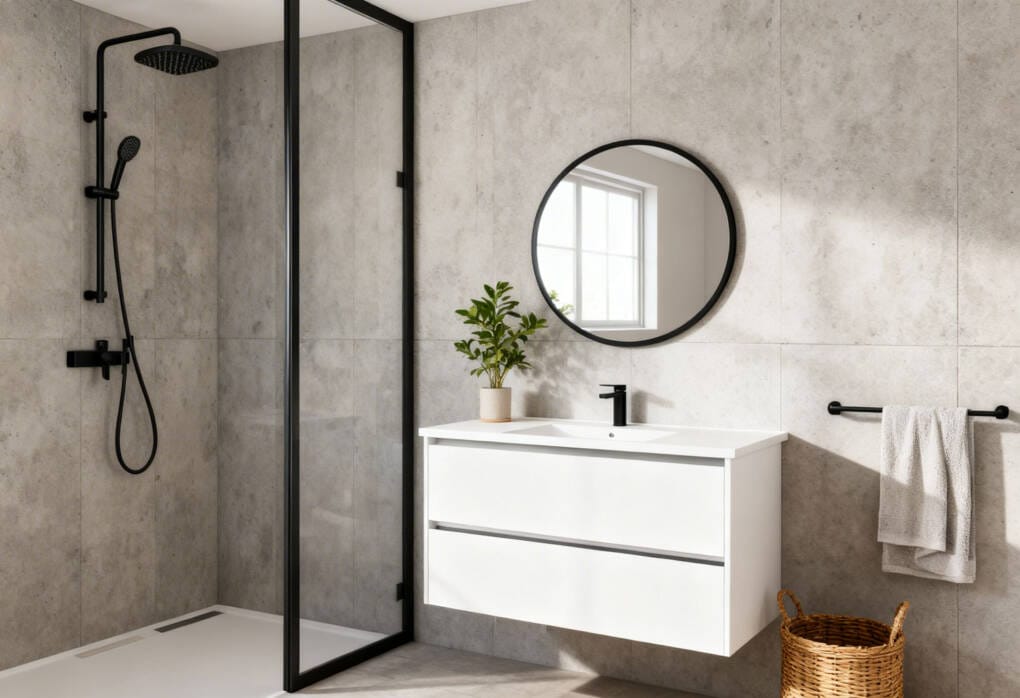
Matching shower and basin taps is about far more than choosing the same finish. Yes, colour matters. But if you stop there, you’re only doing half the job.
Here’s what most renovators overlook:
- Mixer cartridge consistency
The internal mixer cartridge affects how the tap feels in use. If your basin mixer tap feels smooth and controlled but your shower mixer feels stiff or loose, you’ll notice it every day. Consistency in handle movement creates a more refined result. - Water pressure compatibility
Not all tapware suits every mains pressure system. Some shower sets require a higher minimum operating pressure (kPa) to perform properly, especially rainfall styles. If one fixture works perfectly while another struggles, the difference can be frustrating. If you’re unsure what pressure requirements to check, our Ultimate Shower Tapware Buying Guide explains shower mixer selection and pressure compatibility in more detail. - Flow rate and WELS rating
Look at the WELS rating and litres per minute. While water efficiency is important, large differences in flow rate between your basin and shower can make the bathroom feel inconsistent in daily use. - Diverter compatibility
If you’re installing a diverter mixer in the shower, make sure it aligns both functionally and stylistically with the rest of your tapware. Controls should feel intuitive and cohesive. - Consistent handle feel and operation
Even small differences in resistance or movement can make fixtures feel mismatched. When everything operates similarly — from your basin to your shower set — the space feels deliberate, not pieced together.
When these functional elements align, matching shower and basin taps goes beyond appearance. It creates a bathroom that performs consistently as well as it looks.
Can You Mix Tapware Brands? Pros and Cons Explained
Can you mix tapware brands? Yes, you can — but you need to know exactly what you’re doing before you commit.
I’ve seen renovations where mixing brands worked beautifully. I’ve also seen bathrooms where the finishes were just slightly off, the handles felt completely different, and the homeowner only noticed once everything was installed. At that point, changing it isn’t cheap.
The Pros
Mixing brands can give you greater design flexibility. You might love one tapware manufacturer’s basin mixer but prefer another brand’s shower set. It also allows you to introduce a feature piece, like a bold freestanding bath mixer, without being locked into one full range.
In larger bathrooms or more design-led spaces, this flexibility can create a unique result.
The Cons
This is where most people get caught out.
- Finish variation
This is the biggest issue. Brushed gold from one tapware manufacturer rarely matches brushed gold from another. Even chrome can differ slightly in tone. Brushed vs polished finishes may look similar in a showroom but clash once installed side by side. - Different pressure requirements
Brands can have different minimum operating pressure requirements. One mixer might suit your mains pressure system perfectly, while another requires higher kPa to perform properly. The result can be uneven performance across the room. - Installation compatibility differences
Not all mixers are engineered the same internally. The product specification sheet will outline setout requirements, depth tolerances and flow rate details — and they don’t always align neatly across brands. - Separate warranties and spare parts
Mixing brands means dealing with multiple warranty providers. If something needs servicing later, sourcing compatible spare parts can be more complicated. - Inconsistent handle feel
Even small differences in mixer cartridge quality or handle tension can make fixtures feel mismatched in daily use.
Mixing tapware brands isn’t wrong. It just requires careful planning, close attention to specifications and a clear design direction. If you want the safest and simplest option, sticking with one coordinated tapware range removes most of these risks.
Should Bathroom Fixtures Match? Creating a Complete Design Flow
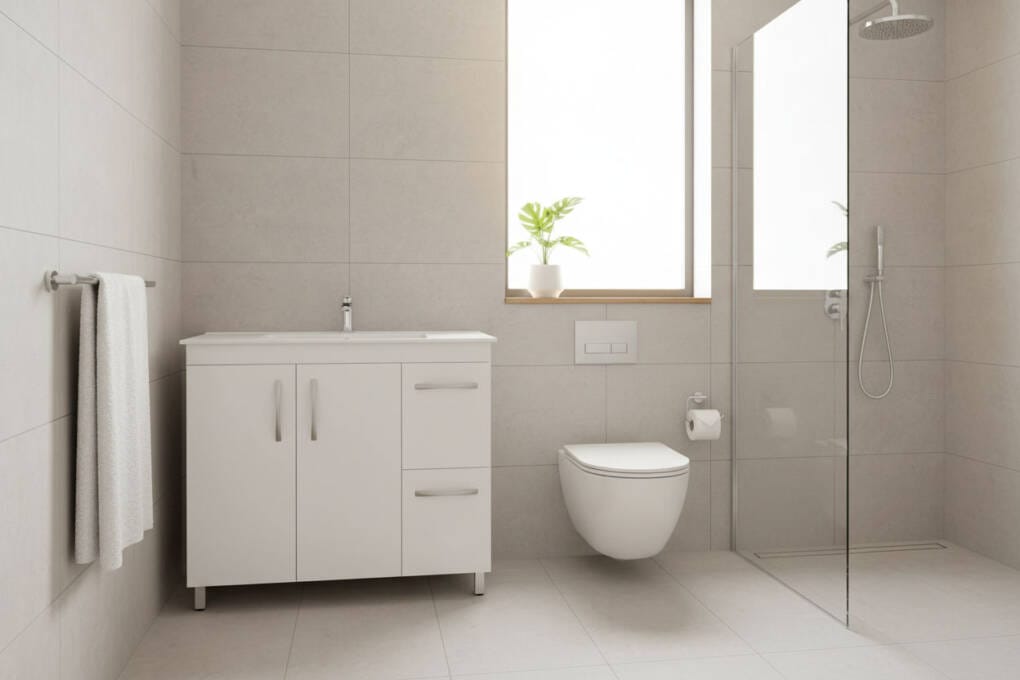
Once you’ve sorted your bathroom tapware, the next question I often get is: should bathroom fixtures match beyond the taps?
In most cases, yes — they should coordinate. That doesn’t mean every single item needs to be identical, but your bathroom hardware and bathroom accessories should share the same metal finishes and overall style.
Think about everything else in the room:
- Towel rails
- Toilet roll holders
- Robe hooks
- Floor wastes
- Shower screen frames
- Cabinet handles
If your tapware is brushed nickel and your towel rails are chrome, the difference will show. If your shower screen frame is matte black while your cabinet handles are gunmetal, the room can feel visually unsettled.
There’s a difference between matching and coordinating. Matching means choosing the exact same finish across all fixtures. Coordinating means selecting pieces that support the same interior design flow without overwhelming the space. Too many competing finishes can make a bathroom feel cluttered rather than refined.
I’ve found that sticking to one or two metal finishes is the safest approach. That’s what creates strong finish coordination and makes matching bathroom hardware look intentional rather than accidental. If you’re unsure what’s currently popular or how finishes are being used in modern bathroom styling, take a look at our latest bathroom trends article for inspiration.
When your bathroom taps, accessories and hardware work together, the entire bathroom feels considered — and that’s what separates a good renovation from a great one.
Matching Tapware Isn’t Just About Looks — Check Pressure Compatibility
Style is important. But if the plumbing side isn’t right, the bathroom won’t perform the way it should.
Before you lock in tapware for your bathroom, check these practical details:
- Your water pressure system – Most Perth homes run on mains pressure, but always confirm the minimum operating pressure listed in the tapware technical specifications. If one fixture needs higher kPa than another, you’ll notice the difference in daily use.
- Flow rate and WELS rating – A large rain shower requires an adequate flow rate to feel strong and consistent. I’ve seen homeowners install a big overhead shower only to realise their existing bathroom plumbing couldn’t support it properly.
- Mixer depth and setout – During plumbing rough-in, your plumber sets the shower mixer setout and wall depth. Different products have slightly different installation specifications. If those tolerances aren’t followed, the handle can sit too far out or too recessed once tiling is complete.
- Cartridge and internal consistency – Different brands can feel different in operation. Even small variations in cartridge design or handle tension can make one fixture feel smooth while another feels stiff.
This is where choosing bathroom tapware from the same range makes life easier. Their pressure requirements, cartridges and installation tolerances are usually aligned, which reduces the risk of plumbing compatibility issues once the walls are closed up.
Common Tapware Matching Mistakes to Avoid
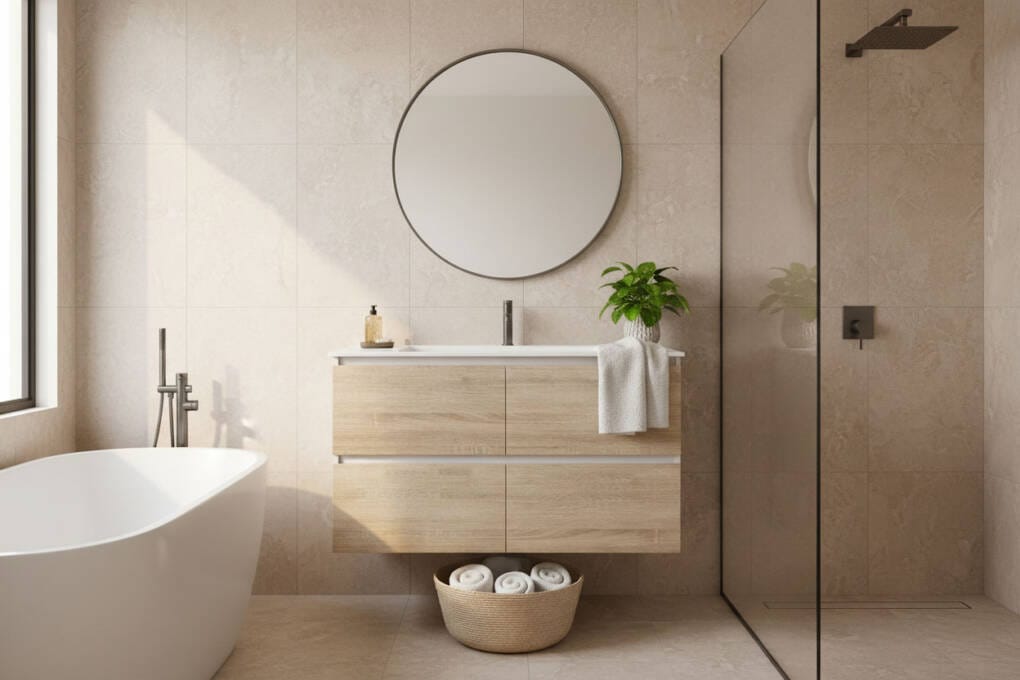
Most tapware mistakes aren’t dramatic. They’re subtle. But once everything is installed, that visual imbalance becomes obvious.
Here are the most common issues I see in bathroom renovations:
- Round basin mixer paired with a square shower head
Mixing curved and sharp tapware profiles without a clear design reason creates an inconsistent design. If your basin is soft and rounded, your shower should follow the same language. - Slimline basin mixer with a bulky bath spout
Proportion and scale matter. A delicate, minimal basin tap next to a heavy, oversized bath spout throws off bathroom symmetry. - Mixing matte black and gunmetal
These finishes look similar in isolation, but side by side, the tonal difference stands out. The same applies to brushed gold and polished gold bathroom tapware, which behave very differently once they’re installed under bathroom lighting. - Brushed vs polished finishes in the same room
Even within the same colour family, sheen matters. A polished chrome basin mixer won’t sit comfortably beside brushed chrome accessories. - Wall-mounted basin mixer with a traditional hob-mounted bath tap
Mixing installation styles can work, but only if the overall bathroom aesthetic supports it. Without cohesion, it feels pieced together.
None of these mistakes are structural. They’re visual. But they affect how the entire bathroom feels once complete. When tapware profiles, finishes and proportions align, the room feels deliberate. When they don’t, it feels like something was missed.
Why Choosing a Single Tapware Range Is the Safest Option
If you want the simplest way to avoid finish mismatches, plumbing issues and ordering confusion, choosing a single coordinated tapware range is the safest option.
Here’s why:
- Guaranteed finish match
The colour, texture and sheen are designed to work together. There’s no guessing whether one brand’s brushed gold is slightly warmer or darker than another’s. - Consistent engineering
Products within the same range are built with product compatibility in mind. Cartridges, pressure requirements and internal components are aligned. - Reduced installation risk
When pressure ratings and installation tolerances match, your plumber is far less likely to run into surprises during fit-off. - Single warranty and supplier
One point of contact. One warranty. Simpler servicing if something needs attention later. - Simpler ordering process
Selecting everything as part of a bathroom renovation package reduces back-and-forth decisions and avoids last-minute substitutions. - Easier future replacements
If a mixer needs replacing years down the track, sourcing from the same unified bathroom design range is much more straightforward.
In my experience, the renovators who lock in their tapware early have the smoothest projects. If you’re still in the planning stage, our bathroom renovation guide explains how to structure your renovation so that decisions like this are made before plumbing is finalised.
Keeping it simple doesn’t limit your design. It protects it — and gives you far more installation confidence once the work begins.
When Mixing Tapware Can Work Beautifully
While I generally recommend choosing one coordinated range, there are times when breaking the rules works — if it’s done deliberately.
Here are a few situations where mixing tapware can look intentional rather than accidental:
- A feature freestanding bath tap
In a larger bathroom, a bold freestanding bath mixer can act as a feature piece. If the rest of the tapware is restrained, this kind of statement tapware can elevate the space. - A statement powder room
Powder rooms are smaller and often more design-focused. This is where layered finishes or a contrasting tap can work without disrupting the overall home. - Large luxury bathrooms
In spacious layouts, there’s more room to play with proportion and scale. A carefully considered luxury bathroom design can accommodate subtle variation. - A clear designer-led approach
If there’s a defined concept driving the renovation, mixing brands or finishes can work. But it needs intention, not impulse. - Accent finish strategy
Some renovators introduce accent hardware in a secondary finish, such as brushed gold handles against predominantly black tapware. This only works when the contrast is controlled and repeated consistently.
The key is this: variation should feel deliberate. If it looks accidental, it probably was.
Final Advice Before You Purchase Your Tapware
Before you commit to tapware for your bathroom, slow down and check the fundamentals.
- Select all tapware before installation begins.
- Confirm pressure compatibility across every fixture.
- Check spout projection and proportions.
- Review the product specification sheets carefully.
- Choose a full set where possible.
- Plan your hardware coordination early, not after tiling.
I’ve seen too many renovations where bathroom tapware was chosen in stages, and the result never quite felt right. When you treat your basin, shower and bath as part of one unified bathroom design, the outcome is cleaner, more balanced and far less stressful.
If you’re ready to explore coordinated options, take a look at our range of tapware in Perth. Choosing from a complete collection makes it much easier to get the finish, compatibility and long-term durability right the first time.
A bathroom renovation is a significant investment. Getting your tapware aligned from the outset protects that investment — and ensures your bathroom looks and performs exactly the way it should.
