
Choosing the Right Kitchen Cabinet Finish: A Practical Guide
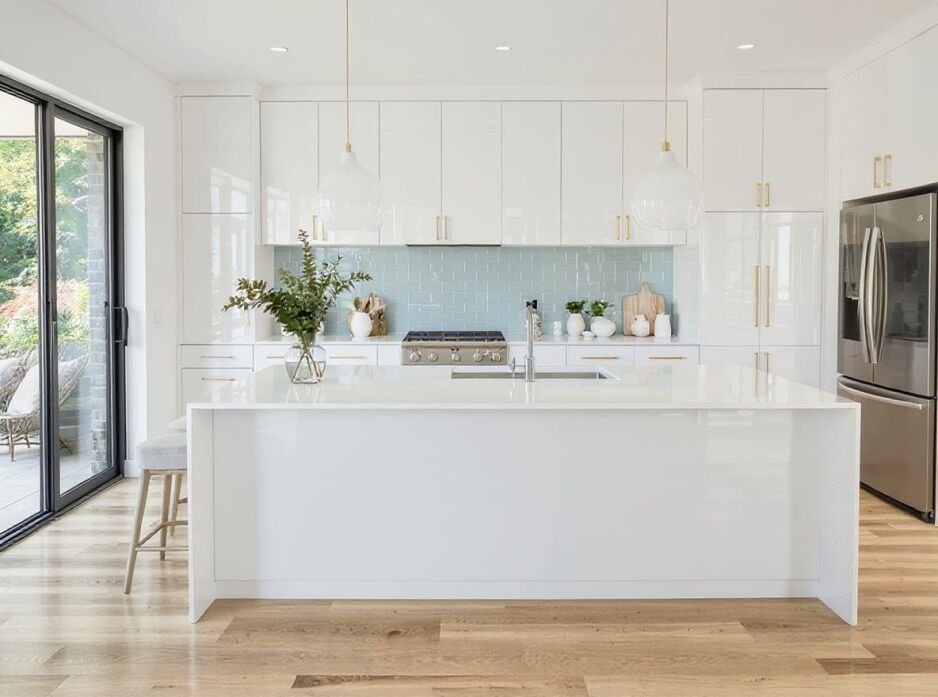
When you’re planning a kitchen renovation, it’s easy to focus on layout and storage first and treat finishes as a final detail. In my experience, that’s often where people go wrong. The cabinet finish you choose plays a big role in how your kitchen looks, how it wears, and how it performs day to day.
Kitchen cabinet finishes affect far more than appearance. They influence how well your cabinets handle moisture and heat, how easy they are to clean, and how they hold up after years of cooking, spills, and general wear. For DIY renovators, this matters even more. You want a finish that’s forgiving during installation and doesn’t cause headaches a few years down the track.
I’ve seen plenty of kitchens that looked great when first installed but started showing problems early because the finish wasn’t suited to everyday use. Peeling edges, swelling near sinks, and surfaces that mark easily are all common issues that can often be traced back to the finish choice.
This guide walks through the most common kitchen cabinet finishes in Australia, explaining how they differ and where each one works best. The goal is simple: help you choose a cabinet finish that suits your budget, your lifestyle, and how long you plan to live with your kitchen.
Common Types of Kitchen Cabinet Finishes in Australia
When you start looking into kitchen cabinet finishes, it quickly becomes clear that there are a few main options used across Australian kitchens. Each finish is made differently, performs differently, and suits different budgets and expectations. Understanding these at a high level makes it much easier to narrow down what will work for your renovation.
Here’s a quick overview of the most common kitchen cupboard finishes you’ll come across.
- Laminate / Melamine: Laminate and melamine finishes use a synthetic surface that’s bonded to a board substrate. They’re widely used in flatpack kitchens and budget renovations due to their lower upfront cost and wide availability.
- Thermoformed Vinyl: Thermoformed vinyl, often called vinyl wrap, uses a thin vinyl layer that’s moulded over the cabinet door. It creates a seamless look when new and is commonly chosen for its smooth appearance and mid-range pricing.
- Polyurethane (2PAC): Polyurethane, also known as 2PAC, is a painted finish that’s sprayed onto the cabinet doors and cured. It’s known for its smooth, seamless surface and long-term durability, making it a popular choice for modern kitchens.
- Acrylic: Acrylic cabinet finishes use a high-gloss synthetic sheet applied to the door. They offer a sleek, reflective look and are often chosen for contemporary designs, though they can show fingerprints more easily.
- Timber Veneer: Timber veneer finishes use a thin layer of real wood applied to the cabinet door. They provide a natural look and warmth, with each door having its own grain variation.
- Painted Finishes: Painted cabinet finishes cover a broad category of sprayed or brushed coatings. Quality and performance vary widely depending on the paint system used, which is why understanding how a finish is applied is just as important as how it looks.
This overview sets the foundation. In the sections below, we’ll look at each finish in more detail so you can weigh up how they perform in real kitchen installations, not just in a showroom.
Laminate and Melamine Kitchen Cabinet Finishes

Laminate kitchen cabinets and melamine kitchen cabinets are some of the most common options you’ll see in Australian homes, particularly in flatpack kitchens and budget-focused renovations. While the terms are often used interchangeably, they both sit within the same family of finishes.
In simple terms, laminate is a synthetic surface that’s bonded to a board substrate, usually MDF or particleboard. For laminate cabinet doors, the laminate sheet is glued to the front of the door and finished with edge banding to cover the exposed sides. Melamine is a type of laminate that’s fused to the board during manufacture, which is why it’s widely used in mass-produced cabinet systems.
These finishes are popular because they’re affordable, readily available, and quick to manufacture. That makes laminate and melamine a common choice for flatpack kitchens, investment properties, and short-term renovations where upfront cost is the main priority.
In everyday use, laminate and melamine can work well in low-impact areas. However, there are a few limitations worth noting. Because the surface sits on top of the board rather than becoming part of it, edges rely on banding to stay sealed. Over time, moisture exposure around sinks and dishwashers, along with general wear, can cause edges to lift or swell.
That doesn’t mean laminate kitchens are a poor choice across the board. For budget kitchens or situations where longevity isn’t the main concern, they can be a practical solution. It’s simply important to understand where they perform best and where their limitations may show over time.
Tossing up between laminate and 2PAC? Read our Laminate vs 2PAC Kitchen comparison to learn which finish best meets your kitchen needs.
Thermoformed Vinyl (Vinyl Wrap) Cabinet Finishes

Thermoformed vinyl cabinets, often called vinyl wrap kitchen cabinets, use a thin vinyl layer that’s heated and vacuum-formed over the cabinet door. The vinyl is bonded to the door using adhesive, wrapping around the face and edges to create a smooth, seamless finish.
Because the vinyl fully covers the door, thermoformed finishes can be mistaken for painted cabinets at first glance. When new, vinyl cabinet doors can look clean and uniform, with no visible joins or edge strips. This is one of the main reasons homeowners are drawn to them during the early stages of planning.
In terms of performance, vinyl wrap finishes sit somewhere between laminate and painted options. They generally offer a softer, more forgiving surface than laminate and can work well in low-to-moderate use kitchens.
Where thermoformed vinyl can struggle is over the long term, particularly in areas exposed to heat and moisture. Ovens, dishwashers, and direct sunlight can place stress on the adhesive used to bond the vinyl. Over time, this can lead to lifting, bubbling, or shrinkage, which is difficult to repair once it occurs.
Thermoformed vinyl isn’t a bad option in the right setting, but like any finish, it has its limits. Understanding how it’s made and how it reacts to heat and moisture helps set realistic expectations for its performance in busy kitchens.
Polyurethane (2PAC) Kitchen Cabinet Finishes

Polyurethane kitchen cabinets, often called 2PAC kitchen cabinets, use a two-part polyurethane paint system that’s sprayed onto the cabinet doors and then cured. This curing process triggers a chemical reaction that hardens the paint, creating a tough, sealed surface that becomes part of the door itself.
Unlike laminate or vinyl, there’s no surface layer glued on top. The finish is sprayed directly onto the substrate, which is why 2PAC polyurethane cabinets have a smooth, seamless look with no edge joins or visible seams. For DIY renovators, this also means fewer weak points that can lift, peel, or fail over time.
The process involves applying multiple coats of paint, with each layer cured before the next is added. That’s what gives 2PAC kitchens their consistent colour and depth, whether you’re looking at a single door or an entire run of cabinets. Because the coating is sprayed, the finish is even across every panel, helping the kitchen look cohesive and well finished once everything is installed.
One of the biggest advantages of 2PAC is durability. The hardened polyurethane surface withstands moisture, heat, and everyday wear, making it particularly suited to busy kitchens. It’s also one of the few finishes where minor damage can often be repaired rather than needing full door replacement, which is a big plus for long-term use.
While 2PAC is often seen as a premium option, I’ve always viewed it as a practical, long-term choice rather than a luxury finish. It holds its appearance well, performs consistently over time, and suits kitchens that are meant to be lived in. For homeowners weighing up finishes, we’ve gone into more detail in our Laminate vs 2PAC Kitchens comparison, which breaks down the differences to help you determine the best match for your needs and budget.
Acrylic Kitchen Cabinet Finishes
Acrylic kitchen cabinet finishes are known for their very high-gloss, almost mirror-like appearance. The surface is made from a rigid acrylic sheet that’s applied to the cabinet door, creating a sleek, modern look that’s popular in contemporary kitchens.
Visually, acrylic delivers a strong impact. The gloss level is usually higher than most painted finishes, which is why it’s often chosen for showpiece kitchens or designs that lean heavily into a modern aesthetic. In the right space, it can look sharp and eye-catching.
There are a few practical considerations to keep in mind. Acrylic finishes tend to show fingerprints, smudges, and other marks more easily, so regular cleaning is often needed to keep them looking their best. The surface may be more prone to scratches than painted finishes, particularly in high-use kitchens.
Cost-wise, acrylic usually sits above laminate and vinyl but can be comparable to premium painted options. For homeowners who prioritise a high-gloss look above all else, acrylic can be appealing. For everyday kitchens where durability, repairability, and ease of maintenance matter just as much as appearance, it’s worth weighing those factors carefully before committing.
Timber Veneer and Natural Cabinet Finishes

Timber veneer kitchen cabinets use a thin layer of real timber bonded to a stable board substrate. This allows manufacturers to create the look of solid timber while using less raw material, making veneer a more accessible way to introduce natural finishes into a kitchen.
One of the main reasons people choose timber veneer is appearance. Natural kitchen finishes bring warmth and character that painted or synthetic surfaces can’t always replicate. The visible wood grain adds depth and variation, which suits both contemporary and more traditional kitchen designs.
That natural variation is also something to be aware of. Because timber veneer uses real wood, no two doors are the same. Differences in grain pattern, colour, and tone are normal and are part of the appeal for many homeowners, but they can be unexpected if you’re after a perfectly uniform look.
Maintenance is another important consideration. Timber veneer finishes generally require more care than painted or synthetic options. Exposure to moisture, heat, and direct sunlight can affect the surface over time, so they’re best suited to kitchens where regular upkeep is expected, and environmental conditions are well controlled.
Timber veneer isn’t about precision or uniformity. It’s a choice driven by a preference for natural materials and visual warmth, with the understanding that some ongoing care comes with that look.
What Is the Most Popular Kitchen Cabinet Finish?

When people ask what the most popular kitchen cabinet finish is, the answer depends on whether you’re talking about colour, sheen, or material — because they don’t all trend the same way.
In Australian kitchens, white remains the most popular cabinet colour by a long way. It suits a wide range of homes, reflects light well, and works across both modern and traditional designs. That’s one of the reasons white kitchens have stayed popular for so long.
When it comes to finish, the conversation usually comes down to matte versus gloss. Matte finishes have gained popularity in recent years because they tend to show fewer fingerprints and create a softer, more understated look. High gloss finishes, on the other hand, remain popular for their ability to reflect light and make smaller kitchens feel brighter and more spacious.
What’s consistent across both trends is the material choice. Painted finishes continue to dominate the premium end of the market, with polyurethane, commonly known as 2PAC, being the most widely used option. Whether matte or gloss, 2PAC offers a seamless surface, strong durability, and a level of finish that holds up better over time than many alternatives.
From what I see day to day here at Ross’s, homeowners choose the sheen based on lifestyle but choose our 2PAC kitchens because of how they perform. The combination of flexibility, durability, and long-term value is why polyurethane finishes remain such a popular choice in Western Australian kitchens.
Choosing the Best Kitchen Cabinet Finish for Your Home
There’s no single answer that suits every kitchen. The best kitchen cabinet finishes are the ones that match how you live, how you cook, and how long you want the kitchen to last. When I’m talking to DIY renovators in-store, I usually suggest running through a few practical questions before locking anything in.
Here’s a simple checklist to help narrow things down.
Budget versus longevity
If your budget is tight and the kitchen is short-term, lower-cost finishes can make sense. If you’re planning to live with the kitchen for years, spending a bit more upfront on a durable finish often saves money and frustration later.
Moisture and heat exposure
Think about where your cabinets will sit. Areas around sinks, dishwashers, and ovens are tougher on finishes. Some surfaces cope better with steam, spills, and heat than others, so it’s worth factoring this in early.
Cleaning and upkeep
Some finishes need more regular cleaning to keep them looking good. High-gloss surfaces can show fingerprints but are easy to clean, while other finishes hide marks better but are more difficult to clean. Be realistic about how much maintenance you’re happy to take on.
DIY installation considerations
If you’re installing the kitchen yourself, durability during handling matters. A finish that chips easily or relies on glued edges can be less forgiving during installation compared to a sprayed, sealed surface.
How long you plan to stay in the home
For homes you plan to sell or rent in the near future, different choices make sense than for a long-term family kitchen. Thinking beyond day one usually leads to better decisions overall.
Once you’ve narrowed down a cabinet finish, the next step is choosing a colour that suits your space and your home’s style. Colour plays a big role in how the finish looks once installed, particularly in relation to light, gloss levels, and surrounding materials. If you’re looking for inspiration, we’ve also put together a guide to Australian kitchen colour schemes that explores current trends and practical colour combinations.
While the cabinet finish plays a big role in how your kitchen looks and performs, it’s only one part of the overall decision. For a broader look at cabinet layouts, storage options, installation methods, and budget planning, our Ultimate Kitchen Cabinet Buying Guide walks through everything to consider before locking in your choices.
Why We Choose 2PAC for Our Kitchen Cabinets

At Ross’s, we don’t offer every cabinet finish on the market — and that’s deliberate. Over the years, I’ve seen how different finishes perform once they’re installed and lived with in real kitchens. That experience is why we’ve standardised on 2PAC cabinets across our kitchen cabinet range.
For us, the decision comes down to a few practical reasons:
- Consistent finish across the whole kitchen: A sprayed 2PAC polyurethane finish creates a smooth, even surface on every door, without edge joins or surface layers that can lift over time.
- Durability that suits everyday use: 2PAC finishes cope well with heat, steam, and regular wear, which makes them ideal to busy kitchens.
- Repairable over the life of the kitchen: Minor damage can often be repaired, rather than needing full door replacement, which helps the kitchen age more gracefully.
- Moisture-resistant door construction: Our 2PAC kitchen doors are made from 18mm HMR MDF, designed to handle moisture better than standard board.
- Preassembled for strength and easier installation: All cabinets are fully preassembled, so they arrive square and rigid. For DIY renovators, this makes installation simpler and more reliable.
Ultimately, choosing 2PAC isn’t about chasing trends. It’s about offering a cabinet finish that performs consistently, suits Australian homes, and delivers good long-term value.
Final Thoughts: Choosing a Cabinet Finish You’ll Be Happy with Long-Term
There’s no one-size-fits-all answer when it comes to kitchen cabinet finishes. What works best depends on how you use your kitchen, how much maintenance you’re comfortable with, and how long you plan to live with the space.
Some finishes make sense for short-term kitchens or tight budgets. Others are better suited to homes where the kitchen is used hard every day and needs to keep looking good for years. In my experience, the difference usually comes down to long-term performance rather than how a finish looks on day one.
Once customers understand how different kitchen cabinet finishes are made and how they behave over time, many lean towards 2PAC. It’s not because it’s the trendiest option, but because it’s durable, repairable, and consistent — qualities that matter once the kitchen is installed and being used daily.
If you’re at the stage of weighing up finishes, the next step is seeing how those choices translate into real cabinetry. Viewing our full kitchen cabinet range can help you picture layouts, storage options, and finishes working together, and make it easier to choose a solution you’ll be happy with long term. We offer a wide range of modern kitchen cabinets for sale in Perth, with durable 2PAC finishes to complement most kitchen design styles.
