
Laminate vs 2PAC Kitchens: What’s the Real Difference?
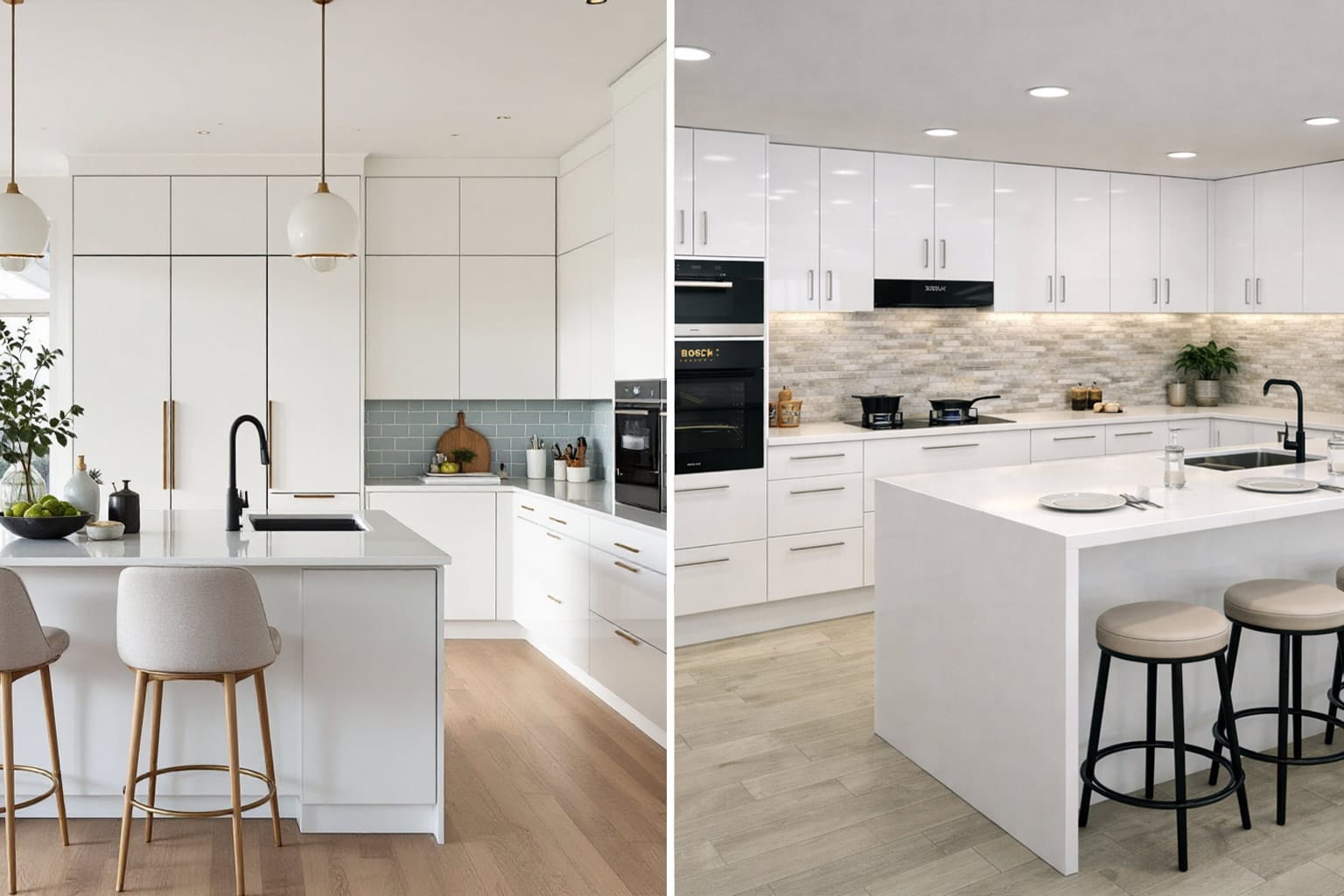
When people plan a kitchen renovation, they usually focus on layout, appliances, and benchtops first. The kitchen cabinet finish often comes later, but in my experience, it’s one of the decisions that has the biggest impact on how a kitchen looks and performs over time. Choosing between laminate and 2PAC kitchens isn’t just about appearance on day one — it affects durability, maintenance, and long-term value.
2PAC (also commonly referred to as 2 pack or 2 pac) is a painted cabinet finish that’s widely used in kitchens. While laminate is often seen as the more budget-friendly option, the real differences between the two usually show up after a few years of everyday use.
I’ve seen plenty of kitchens that looked great when they were first installed, but over time, the cabinet finish told a different story. Edges start lifting, moisture seeps in, and doors lose their clean, crisp look. This is where the gap between laminate and 2PAC kitchens becomes much more obvious.
This guide breaks down the practical differences in plain English. We’ll look at how each finish is made, how it handles daily wear and tear, and what that means for longevity and long-term cost. There’s no hype here — just clear information to help you decide whether 2PAC makes sense for your kitchen and how you plan to use it every day.
What Are Laminate Kitchen Cabinets?
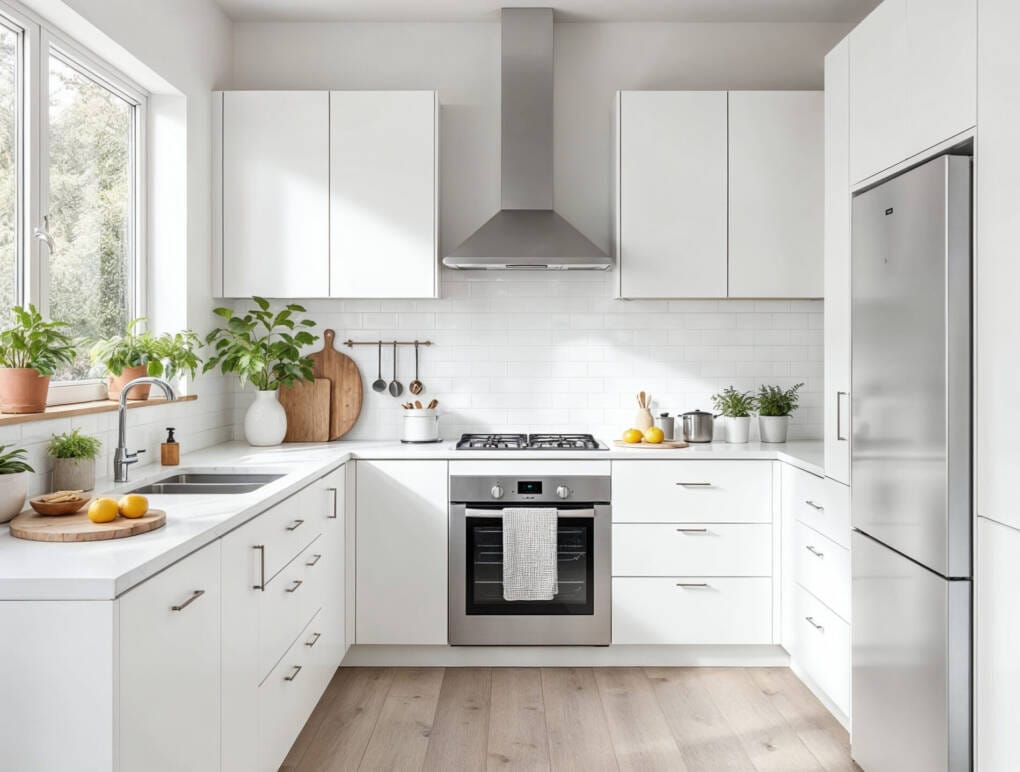
Laminate is one of the most common finishes used in laminate kitchens and flatpack cabinet systems. In simple terms, it’s a synthetic surface that’s bonded to a board substrate, usually MDF or particleboard, to create the finished cabinet door.
With laminate kitchen cabinets, the surface layer is applied to the front of the door and then finished around the edges. In many cases, this involves edge strips or wrapped corners to cover the exposed sides. While the final appearance can look neat when new, the laminate itself remains a thin surface sitting on top of the board rather than being part of it.
You’ll often hear laminate discussed alongside finishes like melamine and thermoformed vinyl, which you’ll find on cabinets from Kaboodle and IKEA. While these are made using slightly different processes, they all rely on a synthetic surface being bonded or wrapped over a board. Because they share similar construction methods, they tend to perform similarly once installed in a kitchen.
Laminate finishes are widely used in flatpack and budget-friendly kitchens where speed of manufacture and lower upfront cost are priorities. That’s why laminate remains a popular choice for short-term kitchens, investment properties, or situations where budget is the main driver. However, how the finish is applied and how it responds to everyday kitchen conditions is where the differences between laminate and 2PAC become more noticeable over time.
What Are 2PAC Kitchen Cabinets?
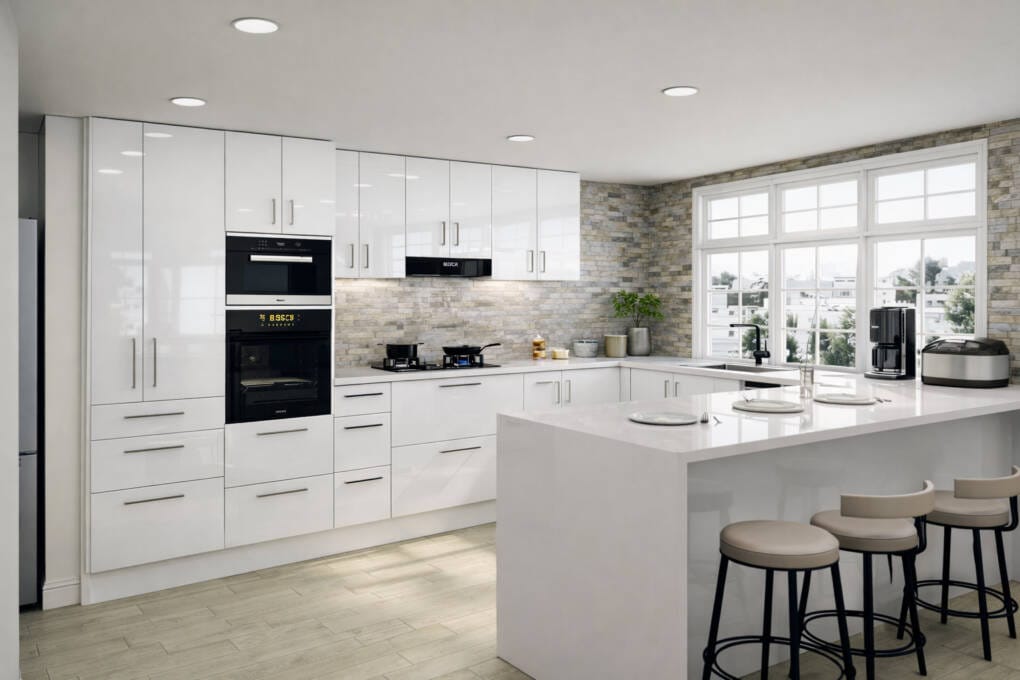
2PAC kitchen cabinets, often referred to as polyurethane kitchen cabinets, use a two-part polyurethane paint system that’s sprayed onto the cabinet doors and then cured to create a hard, durable finish. In cabinetry, 2PAC and polyurethane are commonly used together to describe this type of painted finish.
Unlike laminate, which is bonded to the surface of the door, a 2PAC polyurethane finish becomes part of the door itself. The paint is sprayed directly onto the substrate and chemically cured, resulting in a smooth, seamless surface rather than a layer sitting on top.
The process involves applying multiple layers of paint to each cabinet door, with every layer carefully cured before the next is added. This multi-layer system is what gives 2PAC kitchen doors their consistent colour, depth, and high-gloss appearance. Because the finish is sprayed, there are no joins, edges, or seams where the surface can lift or peel over time.
Another key difference is the finish quality. Polyurethane kitchen cabinets are known for their clean lines and even coating, which makes them a popular choice for modern kitchens. The sprayed application provides a uniform finish across every door, helping the kitchen look cohesive and well finished.
While 2PAC kitchens are often seen as a premium option, they’re best thought of as a long-term solution rather than a passing trend. Their durability, repairability, and ability to maintain their appearance over time make 2PAC polyurethane kitchen cabinets a practical choice for homeowners who want a finish that looks good and holds up to everyday use.
Laminate vs 2PAC: The Key Differences That Matter
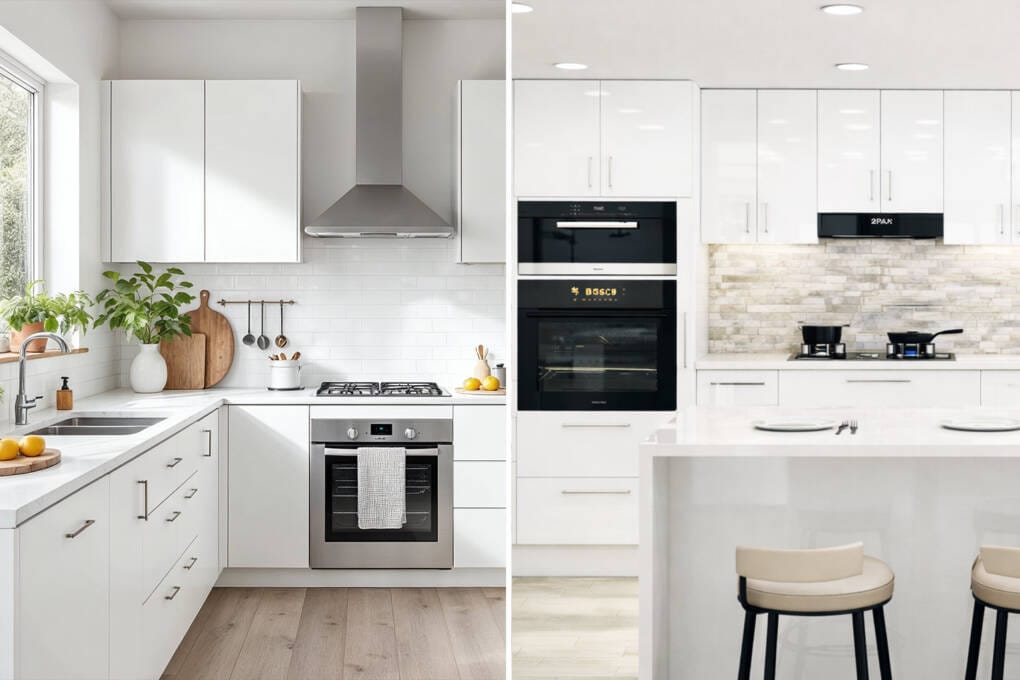
At first glance, laminate and 2PAC kitchen cabinets can look very similar. Both can deliver a clean, modern finish when new. The real differences tend to show up once the kitchen is in everyday use.
Below are the main areas where laminate and 2PAC polyurethane perform differently.
Appearance and finish consistency
Laminate is a surface layer bonded to the door, so the joins and edges are part of the finished look. Over time, those edges can become more noticeable.
2PAC polyurethane is sprayed directly onto the door, creating a smooth, seamless finish with consistent colour and gloss across the entire surface.
Moisture and heat resistance
Kitchens are exposed to steam, spills, and heat every day, particularly around sinks, dishwashers, and ovens.
Laminate relies on adhesives, which can be affected by moisture and heat over time.
2PAC polyurethane forms a sealed painted surface that offers stronger protection against moisture penetration.
Edges and durability
Edge lifting or peeling is one of the most common issues with laminate cabinets, particularly on frequently opened doors. Once it starts, it’s difficult to fix.
With 2PAC, there are no edge strips to lift. The paint finish wraps the entire door, removing this common weak point.
How the finish ages
Laminate can deteriorate unevenly, with swelling or peeling often appearing in high-use areas. This usually leads to door replacement.
2PAC tends to age more evenly, and in many cases, minor damage can be repaired rather than replacing the entire door.
In short, laminate and 2PAC may look similar on day one, but they behave very differently over time. For homeowners planning a kitchen they want to live with long term, these differences are often the reason 2PAC is chosen over laminate.
2PAC vs Laminate Cost: Is 2PAC More Expensive?
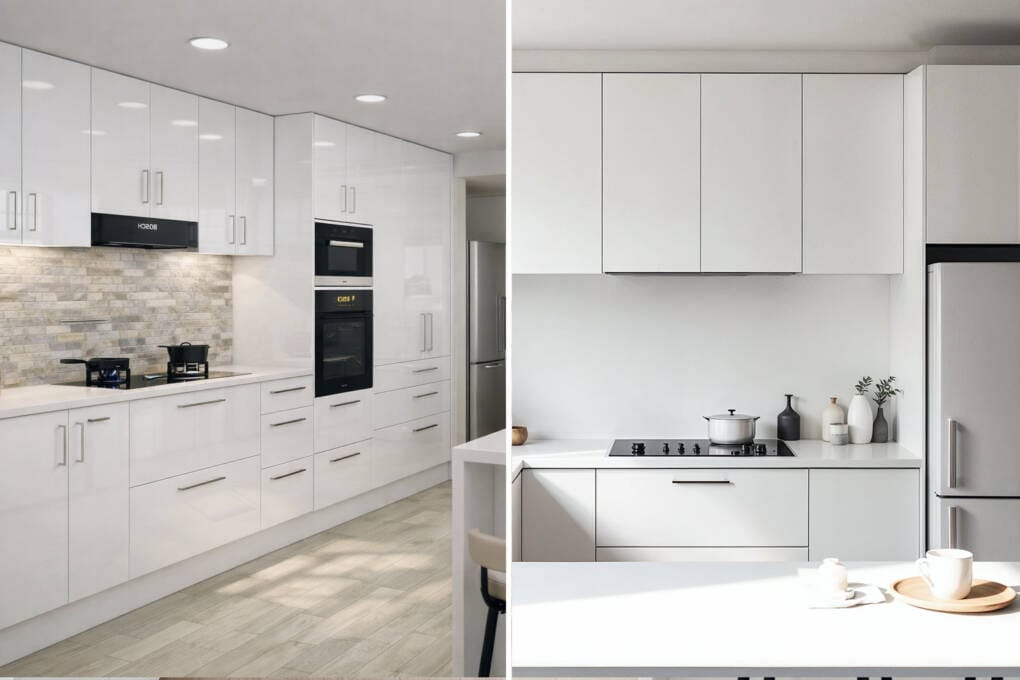
This is usually the point where most people pause. At face value, laminate kitchens often appear cheaper than 2PAC kitchens, so it’s fair to ask whether the extra cost is worth it.
The short answer is yes — 2PAC polyurethane does cost more upfront — but the reasons why matter just as much as the price itself.
Why laminate and melamine kitchens cost less upfront
Laminate, melamine, and thermoformed vinyl doors are designed to be produced quickly and in large volumes. They use synthetic surfaces that are bonded or wrapped over a board, which keeps manufacturing time and labour costs down. These doors are commonly sold as flatpack systems, with assembly happening on-site.
Many kitchens on the market, including popular flatpack options from IKEA and Bunnings, follow this approach. We’ve also compared our 2PAC cabinets with common flatpack options from IKEA and Bunnings in more detail, but the key differences usually come down to construction quality, finish durability, and what’s included in the final cost.
This is why laminate-style kitchens are often the lowest-cost option initially, particularly for budget renovations or short-term installs.
Why 2PAC cabinets cost more
2PAC cabinets involve a very different manufacturing process. Each door is sprayed with multiple layers of paint and cured to create a hard, sealed finish. This takes more time, more labour, and more care than applying a surface layer.
In our case, the cost also reflects how our kitchen cabinets are built. All of our 2PAC cabinets are fully preassembled in the factory rather than supplied flat pack. This removes many of the weaknesses commonly associated with DIY assembly and helps ensure our cabinets are square, rigid, and built to last.
In terms of sturdiness and everyday use, well-made preassembled kitchen cabinets like ours are just as durable as custom-made cabinetry. The difference is that custom cabinets often cost more due to labour and bespoke manufacturing, not because they’re inherently stronger. We’ve covered the differences between preassembled and flat pack cabinets in more detail elsewhere, but the bottom line is that factory-assembled cabinets tend to perform far more consistently over time.
Preassembled kitchen cabinets vs flatpack systems
Preassembled kitchen cabinets remove many of the weaknesses commonly associated with flatpack kitchens. Factory assembly ensures the cabinets are square, rigid, and properly fastened, helping them perform better over time.
In terms of sturdiness and everyday use, well-made preassembled cabinets like ours are just as durable as custom-made cabinetry. The difference is that custom cabinets often cost more due to labour and bespoke manufacturing, not because they’re inherently stronger.
Looking beyond upfront cost
While laminate and melamine kitchens may save money initially, long-term costs are often overlooked. Issues such as peeling edges, moisture-related swelling, or surface damage usually indicate that doors should be replaced rather than repaired.
With 2PAC, the finish tends to age more evenly, and minor damage can often be repaired. For many homeowners, that means fewer replacements, less disruption, and better value over the life of the kitchen.
So, are 2PAC kitchens worth the extra cost?
If the goal is the lowest possible upfront spend, laminate will usually come out cheaper. If the goal is a kitchen that feels solid, looks good in the long term, and doesn’t need replacing after a few years, 2PAC kitchens often offer better value overall.
That balance between cost, durability, and longevity is why many people ultimately choose 2PAC over laminate once they understand what’s included and how the cabinets are actually made.
What Are the Disadvantages of Laminate in a Kitchen?
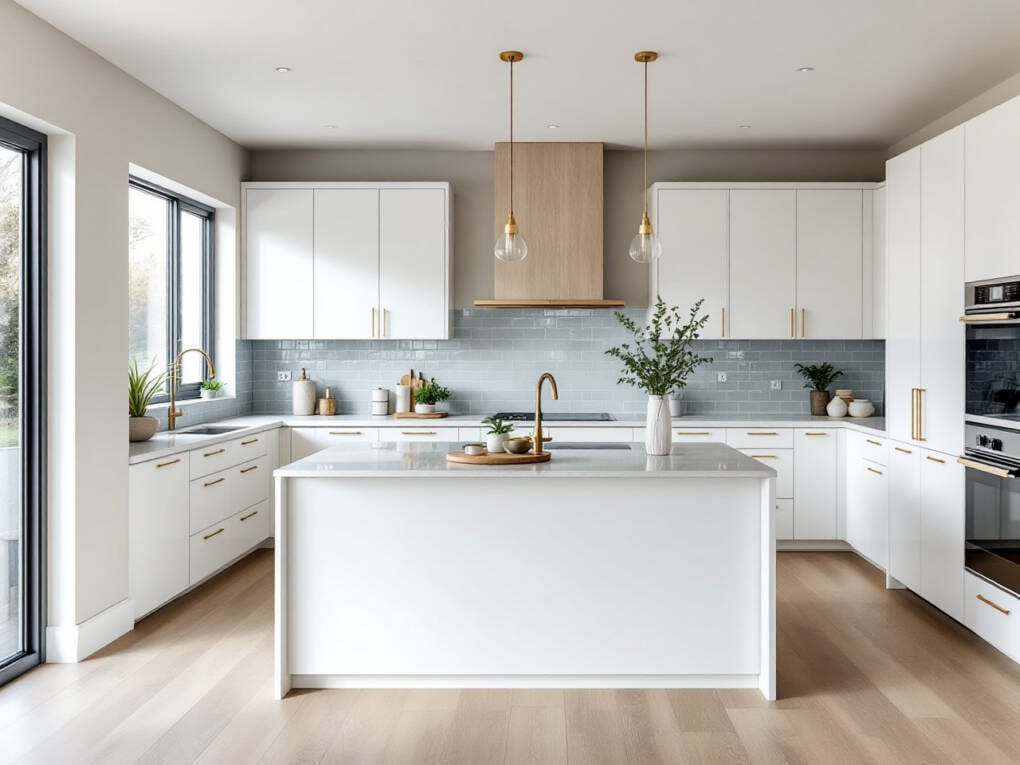
Laminate is widely used in kitchens, but it does have limitations — especially when the space is exposed to everyday heat, moisture, and heavy use. These issues don’t always show up straight away, which is why they often catch homeowners out a few years down the track.
Below are the most common laminate kitchen problems, explained plainly.
Peeling and lifting edges
One of the biggest drawbacks of laminate cabinets is edge failure. Because laminate relies on adhesives and edge strips, frequent use can cause corners and edges to lift or peel. Once this starts, it’s usually very difficult to fix without replacing the door entirely.
Swelling from moisture exposure
Kitchens naturally produce moisture, particularly around sinks, dishwashers, and bins. If water seeps past the laminate surface and into the board beneath, swelling can occur. This damage is permanent and often results in doors that no longer close properly or look uneven.
Heat damage near ovens and cooktops
Laminate doesn’t withstand prolonged heat well. Cabinets installed next to ovens or cooktops can be affected over time, as adhesives weaken and surfaces lift. This is a common issue in high-use kitchens where cooking happens daily.
Limited repair options
When laminate is damaged, repair options are limited. Chips, lifting edges, or bubbling usually can’t be repaired or refinished to restore the original look. In most cases, replacement is the only practical solution.
These disadvantages don’t mean laminate is always the wrong choice. For short-term kitchens or tight budgets, it can still serve a purpose. However, in a busy kitchen where durability and longevity matter, these common laminate cabinet issues are often what lead homeowners to look at alternatives like 2PAC.
Is Melamine Better Than 2 Pack?
This is a common question, and it usually comes down to confusion around how different cabinet finishes are made. Melamine and 2PAC are very different products, even though they can look similar at first glance.
Melamine is a type of laminate finish. It’s created by fusing decorative resin paper to a particleboard or MDF core under heat and pressure. Because of this, melamine is often used in flatpack and budget kitchens where speed of manufacture and lower cost are important.
Where melamine works well is in low-impact areas or short-term kitchens. It offers a clean, uniform appearance and is generally more affordable than painted finishes. For rental properties or tight renovation budgets, melamine kitchen cabinets can be a practical option.
However, melamine still relies on a surface layer bonded to a board. Once that surface is damaged, moisture can enter the board underneath, leading to swelling or chipping that can’t be repaired. Edges are also vulnerable, particularly in high-use areas of the kitchen.
2PAC, on the other hand, is a painted finish rather than a surface layer. The paint is sprayed and cured directly onto the door, creating a sealed, seamless finish. This makes 2PAC more resistant to moisture and everyday wear, and in many cases, minor damage can be repaired rather than requiring full door replacement.
So, is melamine better than 2 pack? For upfront cost, melamine is usually cheaper. For long-term performance in a busy kitchen, 2PAC is generally the more durable and practical choice, which is why many homeowners opt for it once they understand the differences.
Why We Only Offer 2PAC Kitchen Cabinets
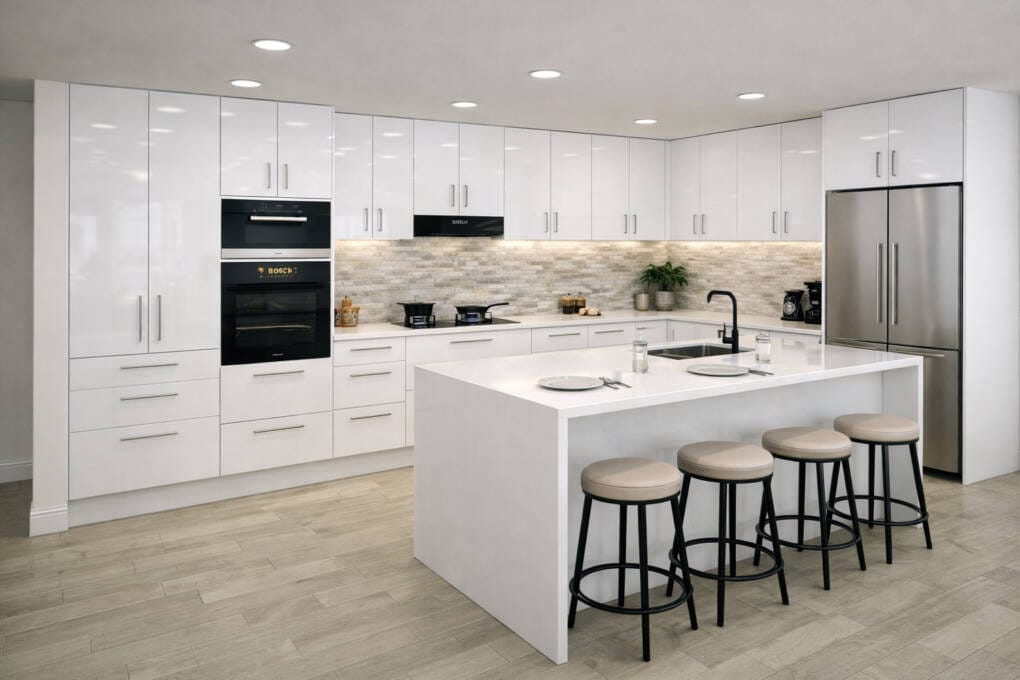
Over the years, I’ve seen how different cabinet finishes perform once they’re installed and lived with. That’s why we’ve chosen to use 2PAC polyurethane for all our kitchen cabinets — it consistently delivers the right balance of durability, finish quality, and long-term value for everyday kitchens.
Here’s what sets our 2PAC kitchen cabinets apart.
High-gloss bright white 2PAC polyurethane finish
All of our cabinets feature a high-gloss bright white 2PAC polyurethane finish. White remains a popular choice because it’s timeless and easy to live with, and when it’s applied as a durable painted finish, it holds its appearance far better over time.
18mm HMR MDF doors
Our cabinet doors are made from 18mm HMR MDF, which is designed to handle moisture far better than standard board. In a kitchen environment, this added resistance makes a real difference to long-term performance.
High-gloss PET carcasses inside and out
The cabinet carcasses are finished with high-gloss PET on both the inside and outside. This creates a smooth, durable surface that’s easy to clean and resists everyday wear, including inside cupboards and drawers.
Fully preassembled construction
All cabinets are supplied fully preassembled, not flatpack. Factory assembly ensures the cabinets are square, rigid, and properly fastened from the outset, improving strength and consistency across the kitchen.
Built for long-term durability
Taken together, the materials and construction mean our cabinets perform just as solidly as custom-made cabinetry in everyday use. The difference is that our approach focuses on efficient manufacturing and proven materials, rather than bespoke labour costs.
We only offer 2PAC kitchen cabinets because they work. They offer a finish that looks good, feels solid, and stands up to the demands of real kitchens over the long term — which is exactly what most homeowners are looking for.
Laminate vs 2PAC for DIY Kitchens
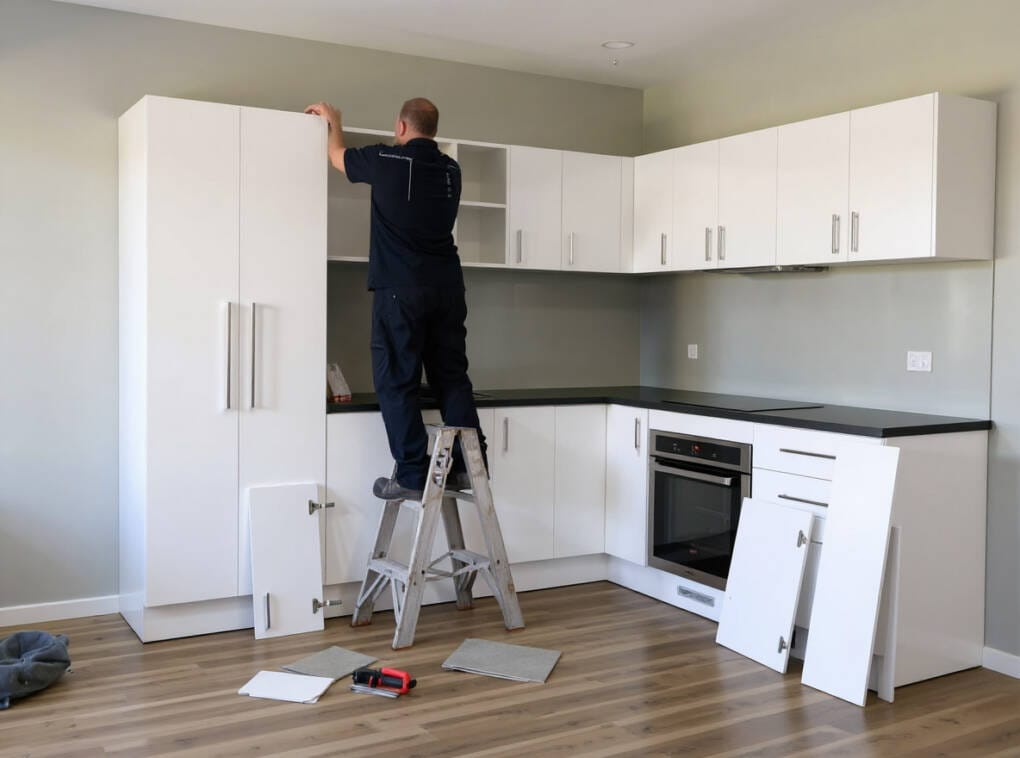
For DIY renovators, the difference between laminate and 2PAC polyurethane kitchens often comes down to how the cabinets handle installation and how they perform in daily use. On paper, both can look suitable for a DIY project, but the experience can be quite different.
Handling during installation
Laminate kitchen cabinets are commonly supplied as flatpack systems, which means more time spent assembling on site. This can increase the chance of minor misalignment or damage during installation, particularly around edges and corners. Laminate surfaces can also chip or lift if knocked before the kitchen is fully installed.
With 2PAC polyurethane kitchen cabinets, especially when they’re supplied preassembled, much of that risk is removed. The cabinets arrive square and rigid, making installation simpler and more predictable for DIYers. We’ve also put together a step-by-step guide on how to install DIY kitchen cabinets, which walks through the process in practical terms.
Durability once installed
Once the kitchen is in place, laminate cabinets rely heavily on their surface layer staying intact. In a DIY kitchen, where adjustments and tweaks are common, any small damage can become a long-term issue.
2PAC kitchens are generally more forgiving. The painted finish creates a sealed surface on the door, helping it withstand everyday wear and tear more evenly.
Fewer future issues
One of the biggest advantages of 2PAC for DIY kitchens is what happens after the tools are packed away. Laminate problems often appear later, such as lifting edges or moisture-related swelling, which usually means replacing doors.
With 2PAC, the finish tends to age more consistently, and minor damage can often be repaired rather than replaced. For many DIYers, that means installing the kitchen once and enjoying it long term, rather than revisiting the same issues a few years down the track.
For anyone tackling their own kitchen renovation, 2PAC is often the “install once, live with it” option. It may cost more upfront, but it typically rewards DIY effort with better durability, fewer headaches, and a kitchen that continues to look good well after the renovation is finished.
Frequently Asked Questions: Laminate vs 2PAC
Final Thoughts: Laminate or 2PAC — Which Makes Sense?
Choosing between laminate or 2PAC really comes down to how long you plan to live with the kitchen and how hard it will be used. Both finishes have a place, but they suit different situations.
Laminate kitchens can make sense where the budget is tight or the kitchen is short-term. For investment properties, quick renovations, or situations where upfront cost is the main driver, laminate offers a lower entry point and a clean finish when new.
For long-term kitchens, 2PAC polyurethane kitchen cabinets are usually the more practical choice. The painted finish, sealed surface, and stronger construction mean they handle everyday wear, moisture, and heat far better over time. Fewer repairs, fewer replacements, and a more consistent appearance all add up to better long-term performance.
Once people understand the real differences between the two — how they’re made, how they age, and what’s included in the cost — most end up choosing 2PAC cabinets. It’s not about paying more for the sake of it, but about installing a kitchen once and enjoying it for years without ongoing issues.
If you’re weighing up laminate or 2PAC for your own kitchen, thinking beyond day one often makes the decision much clearer.
Once you reach that point, exploring our kitchen cabinet range can help you visualise how everything comes together. Seeing the available options, layouts, and finishes makes it easier to decide whether 2PAC suits your space and budget.
