
Best Outdoor Tiles for Poolside Areas: A Perth Buyer’s Guide
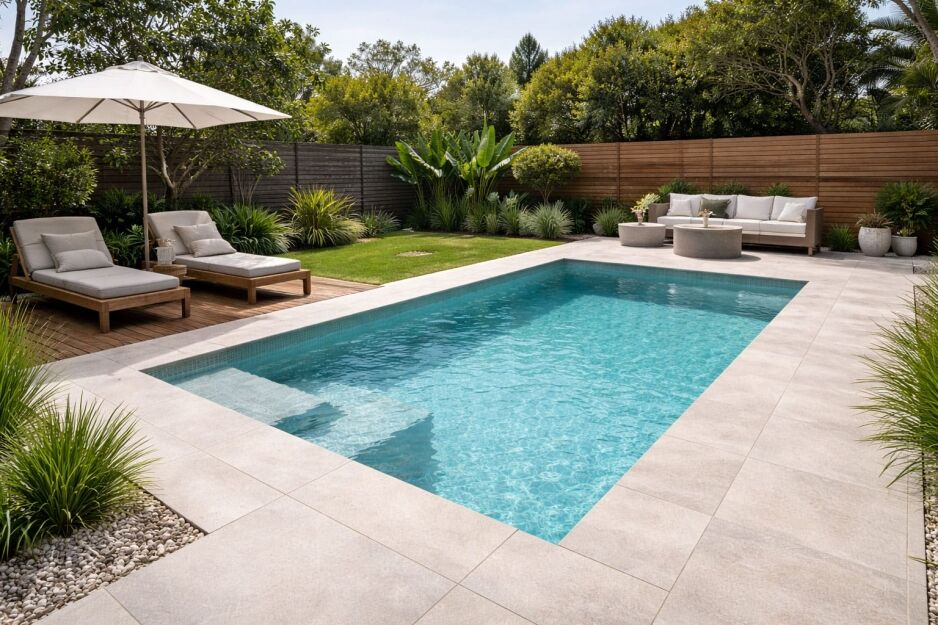
Choosing the right tiles for poolside areas requires more consideration than selecting standard outdoor paving. Surfaces around swimming pools are constantly exposed to water, sunlight, and heavy foot traffic, making safety, durability, and comfort critical factors. Tiles for poolside areas must provide reliable slip resistance, handle moisture and chlorine exposure, and remain comfortable underfoot during hot weather.
Homeowners planning a pool area upgrade should also consider surface texture, heat absorption, and how well the material performs in wet conditions. The right poolside tiles not only improve safety around the pool but also play a major role in the overall look of the outdoor space, helping tie together landscaping, paving, and pool design.
In this guide, we’ll explore the best outdoor tiles for pool areas, including which materials perform best, the importance of slip-resistant finishes, colour and heat considerations, and how to choose durable tiles around the pool that will stand up to years of outdoor use. Porcelain pool tiles have become one of the most popular solutions for modern outdoor spaces, thanks to their strength, low maintenance, and wide range of styles.
What Are the Best Outdoor Tiles for Poolside Areas?
Choosing the best outdoor tiles for poolside areas comes down to three key factors: safety, durability, and heat resistance. Pool surrounds are constantly exposed to water, sunlight, and foot traffic, so the surface material needs to provide good grip, handle moisture, and remain comfortable underfoot during warm weather.
The table below compares some of the most common materials used for tiles around pool areas.
| Tile Type | Suitability for Pool Areas |
| Porcelain tiles | Excellent durability, low maintenance and strong slip resistance |
| Travertine | Natural appearance, but higher cost and sealing required |
| Natural stone | Premium option, but requires ongoing maintenance |
| Concrete pavers | Budget option, but less refined appearance |
Among these options, porcelain pool tiles have become one of the most popular choices for modern pool areas. They offer excellent durability, strong resistance to moisture and chlorine, and require far less maintenance than natural stone.
Porcelain tiles are also widely used around pools in Australian homes because they combine practical performance with a wide range of colours, finishes, and stone-look styles that suit contemporary outdoor spaces.
Why Slip Resistance Matters for Poolside Tiles

Pool areas are constantly exposed to water, which makes slip resistance one of the most important safety considerations when choosing poolside tiles. Surfaces around swimming pools are regularly wet from splashing and getting in and out of the pool, so tiles must provide a reliable grip to reduce the risk of slipping.
Textured tile surfaces help improve traction by increasing friction underfoot. Unlike smooth indoor finishes, outdoor poolside tiles are typically designed with surface textures that provide better grip when wet. This is especially important for areas where people frequently walk barefoot, such as pool surrounds and outdoor entertaining zones.
Slip resistance is often measured using industry ratings that indicate how well a tile performs in wet outdoor environments. Tiles designed for outdoor use generally offer higher traction levels, helping ensure safer movement around the pool. If you’re wondering whether non-slip tiles are worth it, poolside environments are a clear case for the answer being yes, as pool surfaces need reliable grip when wet.
Structured finishes and specialised grip surfaces are commonly used in pool areas because they increase traction in wet conditions without compromising durability. Textured porcelain tiles, in particular, are widely chosen for tiles around pool areas because they combine long-term strength with reliable slip resistance, making them ideal for high-traffic outdoor environments.
Tile Finishes Suitable for Poolside Areas
Tile finish plays an important role in both the safety and appearance of poolside outdoor tiles. Around swimming pools, surfaces must provide good traction when wet while still complementing the overall outdoor design. The finish applied to a tile affects how much grip it provides underfoot and the visual style of the pool area.
As a general rule, different tile finishes offer different benefits, particularly in slip resistance, durability, and outdoor performance.
- Structured finish: Structured tiles have a textured surface that improves grip in wet environments. This type of finish is suitable for pool surrounds and outdoor walkways because it provides reliable traction while maintaining a natural stone-like appearance.
- SmoothGrip finish: SmoothGrip is a specialised surface treatment designed to improve traction without creating a rough texture. It allows tiles to maintain a refined look while still offering better slip resistance for outdoor areas.
- Matte finish: Matte tiles have a soft, natural appearance and offer more grip than polished tiles, which is why many people assume they are suitable for pool areas. However, a matte finish alone doesn’t necessarily provide the slip resistance recommended for wet outdoor environments.
Pool surrounds typically require tiles with P4 or P5 slip ratings. In most pool environments, textured porcelain tiles tend to perform best because they balance durability, appearance, and reliable traction. Read our guide to Tile Ratings & Grades for further information on slip ratings.
Porcelain Tiles vs Natural Stone for Pool Areas
When choosing tiles for poolside areas, homeowners often compare porcelain tiles with natural stone. Both materials can create attractive outdoor spaces, but they differ significantly in durability, maintenance requirements, and long-term value.
Porcelain tiles are widely used for modern outdoor areas because they offer excellent durability and low maintenance. They are manufactured at high temperatures, which creates a dense surface that resists moisture, chlorine exposure, and everyday wear. Porcelain tiles are also more affordable than many natural stone options, making them a practical choice for larger pool surrounds and outdoor entertaining areas.
Natural stone tiles, such as travertine, limestone, and slate, are popular for their authentic texture and natural appearance. However, natural stone typically requires sealing to protect against moisture and staining, and ongoing maintenance is needed to preserve its appearance over time. These materials are also usually more expensive than porcelain alternatives.
For homeowners who like the look of natural materials but want easier maintenance, stone-look porcelain tiles offer a practical compromise. These tiles replicate the appearance of natural stone while providing the durability and low-maintenance benefits of porcelain. If you’re comparing these options in more detail, understanding how stone-look tiles perform compared with natural stone can help when choosing the best outdoor tiles for pool areas.
Because of their strength, moisture resistance, and wide range of styles, porcelain tiles have become one of the most practical and reliable pool deck materials for modern outdoor spaces.
Tile Sizes Commonly Used for Poolside Areas
Tile size can significantly influence the appearance and practicality of pool surrounds. Larger tiles tend to create a cleaner, more modern look with fewer grout lines, while smaller tiles can provide additional traction and design flexibility. When selecting outdoor tiles for pool areas, it’s important to balance visual style with safety and installation considerations.
Common tile sizes used for poolside areas include:
- 300×300 tiles: Smaller tiles, such as 300×300, are often used in wet environments because the additional grout lines can improve traction. They also work well for curved areas or detailed layouts around pool edges.
- 450×450 tiles: A classic outdoor paving size that offers a balance between traction and modern appearance. These tiles are commonly used for pool surrounds because they allow good drainage while still creating a clean, consistent layout.
- 300×600 tiles: This versatile format is popular for pool surrounds, pathways, and outdoor entertaining areas. It offers a balanced look that suits both traditional and modern pool designs.
- 600×600 tiles: Large-format tiles are commonly used in contemporary pool deck designs. They create a seamless, open appearance around the pool and can make outdoor areas feel larger and more refined.
While larger tiles provide a modern aesthetic, they require proper installation to ensure correct drainage and stability. Careful tile layout planning is essential for maintaining both the appearance and safety of outdoor pool areas.
What to Look for When Choosing Poolside Outdoor Tiles
Choosing the right poolside tiles involves more than simply selecting a style you like. Because pool areas are constantly exposed to water, sun, and foot traffic, the tiles need to balance safety, durability, and long-term performance. Keeping a few key factors in mind can help ensure the outdoor tiles you choose will perform well around the pool.
When comparing options, consider the following:
- Slip resistance: Pool surrounds should use tiles designed for wet environments. Look for outdoor tiles with appropriate slip ratings (often P4 or P5) to help provide reliable grip when the surface is wet.
- Durability: Outdoor tiles need to withstand heavy use, changing weather conditions, and constant exposure to water. Durable materials such as porcelain are ideal for these conditions.
- Surface texture: Textured finishes improve grip and help make pool areas safer underfoot. Finishes designed specifically for outdoor environments typically provide better traction than smoother indoor tiles.
- Maintenance requirements: Low-maintenance materials make pool areas easier to keep clean. Porcelain tiles, for example, resist moisture and staining, which helps simplify ongoing pool maintenance.
- Colour selection: Tile colour affects how comfortable the surface feels under direct sunlight. Lighter colours tend to stay cooler underfoot, which can make a noticeable difference in exposed poolside areas.
For a deeper breakdown of what to consider when selecting outdoor tiles, read our guide, What to Look for when Shopping for Outdoor Tiles.
Choosing the Best Outdoor Tiles for Poolside Areas
Selecting the right tiles for poolside areas is essential for creating a safe, visually appealing space. Because pool surrounds are constantly exposed to water and sun, the materials used need to provide reliable slip resistance, long-term durability, and comfortable surfaces underfoot.
When comparing poolside tiles, slip resistance should always be a top priority to help reduce the risk of slipping on wet surfaces. Tile finish also plays an important role, as textured surfaces generally provide better traction and outdoor performance than smoother finishes. Colour choice can also influence comfort, with lighter tones helping to reduce heat absorption in areas exposed to direct sunlight.
Porcelain pool tiles have become one of the most practical options for outdoor pool areas because they combine durability, moisture resistance, and low maintenance. They also offer a wide range of styles, including stone-look designs that replicate natural materials while remaining easier to maintain.
If you’re planning a poolside upgrade, exploring outdoor tiles from Ross’s extensive tile range can help you find durable, affordable options designed to perform well in outdoor environments.
