
Are Non-Slip Floor Tiles Worth It? Pros, Cons And Where To Use Them
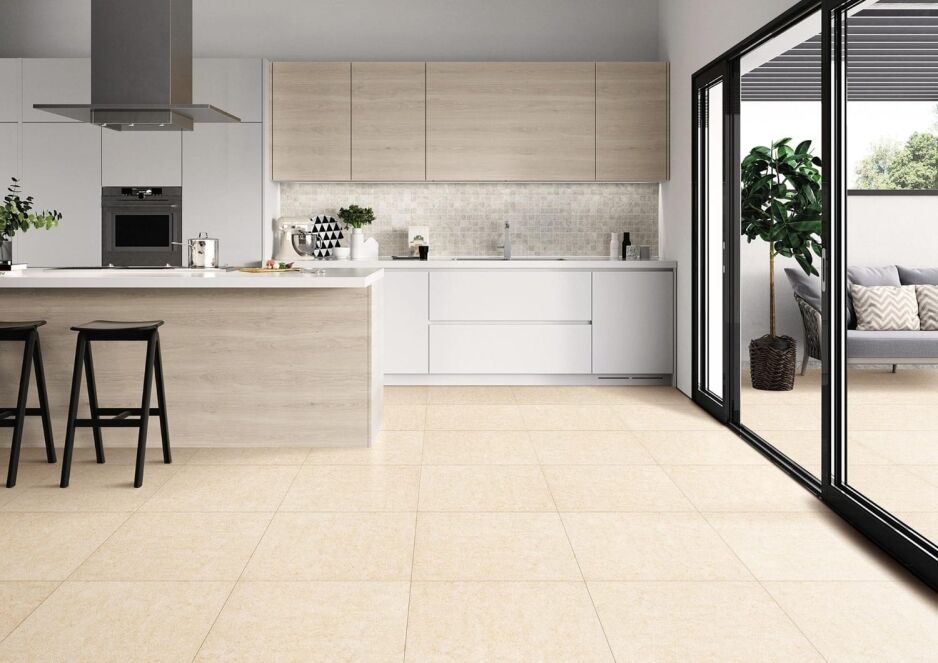
Choosing floor tiles isn’t just about colour, size, or price. The surface matters too, especially in wet areas, busy areas and parts of the home where people walk in with wet feet, sandy shoes or muddy paws.
In many Perth homes, non-slip tiles can make bathrooms, laundries, kitchens, entries, patios and pool surrounds feel more practical underfoot than standard smooth tiles.
I often see customers start with colour first. Then they feel the tile texture in person and realise grip underfoot matters just as much as the look. That does not mean every room needs the grippiest tile available. It means the floor tile should suit how the space is used.
Quick Answer: Are Non-Slip Floor Tiles Worth It?
Yes, they are worth it in wet, busy or higher-risk areas because they give better grip underfoot than standard smooth tiles. They work well in bathrooms, laundries, kitchens, entries, patios and around pools. The main trade-off is that some textured tiles need a little more cleaning.
What Are Non-Slip Floor Tiles?

Non-slip floor tiles are tiles with a surface that gives more grip underfoot than a smooth or polished tile. That grip can come from the tile texture, a matte finish, a structured finish or a surface technology made to improve slip resistance.
You may also see them called slip-resistant tiles or anti-slip tiles. The wording changes, but the idea is the same. The tile surface is made to reduce that slick feeling you can get when a floor is wet, dusty or used often.
Grip is commonly measured through slip ratings, including P ratings. I will cover ratings in more detail later, but for now, the simple point is this: the finish and rating should match the room.
Where Are Non-Slip Tiles Most Useful?

The best areas for non-slip tiles are the spaces where water, foot traffic or outdoor conditions can make a smooth floor less practical. This includes indoor non-slip tiles for wet and busy rooms, plus outdoor options for patios, alfresco areas and pool surrounds.
This is where non-slip tiles for wet areas make the most sense, especially in rooms or outdoor zones where water is part of normal use.
| Area | Why Non-Slip Tiles Can Help |
| Bathrooms and showers | Bathrooms deal with water, soap and bare feet. Keep this broad here. For a deeper bathroom-specific guide, read our advice on choosing non-slip bathroom floor tiles. |
| Laundries | Laundries often handle spills, wet washing, buckets and cleaning jobs. A tile with more grip can make the floor feel more practical. |
| Kitchens | Kitchens can see water, food spills and heavy daily use. A matte or lightly textured tile can be a smart choice, especially in family homes. |
| Entries and mudrooms | These areas collect wet shoes, sand and dirt from outside. A smoother tile can look good, but grip and cleaning both matter here. |
| Patios and alfresco areas | Outdoor spaces need tiles that suit weather exposure and foot traffic. Grip becomes more important when the surface gets wet. |
| Pool surrounds | Pool areas need careful tile selection because water is part of everyday use. The tile should suit outdoor conditions and the way the area is used. |
| Homes with kids, pets or older family members | Busy households often benefit from flooring that feels steadier underfoot without making the whole home feel rough or hard to clean. |
For me, the starting point is simple. Match the tile to the room. A dry bedroom does not need the same surface as a laundry, patio or pool area. The right choice depends on where the tile is going, how often the floor gets wet and how much cleaning you are prepared to do.
Pros Of Non-Slip Floor Tiles
These tiles are worth considering because they solve a practical flooring problem. They give you more grip where the floor is likely to get wet, dirty or used often. That makes them useful in family homes, rental properties, outdoor areas and everyday renovation projects where the floor needs to do more than look good.
- Better grip in wet areas. The main benefit is grip underfoot. A smooth tile can feel fine when dry, then feel slick once water, soap or dust is added. A slip-resistant tile gives the surface more bite, which can make laundries, bathrooms, kitchens and entries feel more practical.
- Useful for busy family homes. Non-slip floor tiles can suit homes with kids, pets or older family members because these floors see more mess, movement and wet feet. I have renovated enough homes to know that the best-looking tile is not always the smartest choice if the room gets hammered every day.
- Suitable indoors and outdoors. Many options work across indoor and outdoor spaces, depending on the tile rating and finish. They can be a good fit for patios, alfresco areas, pool surrounds and entries, where a polished or smooth surface may not make sense.
- Available in modern finishes. Older high-grip tiles often looked commercial, but that has changed. You can now find matte tiles, stone-look tiles and textured finishes that still feel suitable for a home. That gives you more room to balance appearance, cleaning and grip.
- More practical for long-term use. A floor tile is not something you want to regret after the first wet day. I always tell customers to think about the worst day the room will have, not the best one. If the area gets wet, sandy or busy, grip can matter more than a slightly smoother feel underfoot.
- Can support buyer appeal in the right area. I would not claim extra grip adds a set dollar value to a home. That is too broad. But in the right areas, it can add practical value because the flooring feels better matched to how the space is used.
Cons Of Non-Slip Floor Tiles
Non-slip floor tiles are practical, but they are not the right answer for every room. The grip comes from the surface, and that surface can change how the tile feels, cleans and suits the space. This is why I prefer to weigh the non-slip tiles pros and cons before choosing the finish.
- Textured tiles can need more cleaning. A textured surface can hold dirt more than a smooth gloss tile. This does not make it hard to clean in every case, but it can mean you need a brush or a little more time, especially in outdoor areas or entries.
- Some high-grip tiles feel rougher under bare feet. A tile made for serious outdoor grip may feel too coarse inside the home. This is one reason I do not recommend choosing the highest P rating just because it sounds better. The tile still needs to feel right for the room.
- Not every room needs strong slip resistance. A dry bedroom, formal lounge or low-use hallway may not need the same grip as a laundry, patio or pool area. Standard smooth tiles can still make sense where water and heavy foot traffic are not part of the room’s normal use.
- Outdoor-style grip can be too much indoors. Some outdoor non-slip tiles are made for rain, pool water and shoes. That can be great outside, but it may feel too rough or too hard to clean in a kitchen or living area.
- Wet areas still need proper falls and drainage. A non-slip tile helps with grip, but it does not fix poor floor design. Wet areas still need the right set-out, fall and drainage so water moves where it should.
My advice is to choose grip for a reason. Start with the room, the users and how much water or dirt the floor will see. Then choose the tile finish that gives enough grip without creating extra cleaning work you will regret later.
Non-Slip Tiles Vs Standard Tiles

Non-slip tiles and standard tiles can both be good choices. The better option depends on where the tiles are going and how the floor will be used. A laundry, patio or pool area asks more from a floor surface than a dry hallway or bedroom.
| Feature | Non-Slip Tiles | Standard Smooth Tiles |
| Wet-area grip | Better grip underfoot | Can feel slippery when wet |
| Cleaning | May need more brushing if textured | Usually easier to wipe |
| Comfort | Depends on the finish and texture | Often smoother underfoot |
| Best use | Wet, busy, outdoor or higher-use areas | Dry or lower-use areas |
| Style options | Matte, structured and stone-look finishes | Gloss, polished, matte and other smooth finishes |
| Buying decision | Best where grip matters | Best where grip is less important |
The main difference between non-slip tiles vs standard tiles is the surface. A non-slip tile is made to give more grip. A standard smooth tile is usually easier to wipe and can feel softer under bare feet, but it may not be as practical where water or outdoor dirt is common.
I do not see one as better across the whole home. I see them as different tools. Use textured tiles or matte tiles where grip matters. Use smoother standard tiles where cleaning, comfort and a softer surface matter more.
Understanding Slip Ratings Without Overcomplicating It
Slip ratings help you compare how much grip a tile surface gives under certain test conditions. You will often see this shown on P rating tiles, which are tested using a wet pendulum test under AS 4586 slip resistance classification. In simple terms, a higher P rating generally means more wet-surface grip.
The rating should guide the decision, not make the decision for you. A patio, pool surround or busy laundry may need more grip than a dry hallway. A very textured tile may also need more cleaning, so the right choice is always a balance between grip, comfort and maintenance.
I like using ratings as a shortlist tool. They help narrow the options, but I still recommend feeling the tile surface in person where possible. Two tiles can both be matte, but one may feel much smoother underfoot than the other.
For bathroom-specific rating advice, keep that detail with the bathroom guide. This page is about the broader decision of whether extra grip makes sense across the home.
Are They Worth The Extra Cost?
Is the extra grip worth the cost if a non-slip tile costs more than a standard smooth tile? In wet, busy or outdoor areas, I think it often is. The value comes from choosing a surface that suits the way the room is used, not from choosing grip for the sake of it.
The cost difference can depend on the tile material, finish, size, surface texture and P rating. A simple matte tile may not be much different from a standard floor tile, while a more textured outdoor tile may sit in a different price bracket. The right comparison is not just price per tile. It is price against use.
For bathrooms, laundries, entries, patios, pool areas and family homes, a slip-resistant finish can make practical sense. These are spaces where floors often deal with water, dirt, bare feet, shoes or daily traffic. In those rooms, I would rather choose a tile that works with the space from the start.
In dry, low-traffic rooms, are non-slip tiles worth it? Not always. A standard smooth tile can still be the better choice where cleaning, comfort and appearance matter more than extra grip.
The best answer is to match the tile to the room. Spend more on grip where grip earns its place. Keep things simpler where the floor does not need it.
Choosing The Right Non-Slip Tile At Ross’s
Choosing the right non-slip tile starts with the room, not the tile colour. I look at how wet the area gets, who uses it, how often it needs cleaning and whether the surface needs to work indoors, outdoors or across both spaces.
For wet and busy areas, start by comparing the tile finish, texture and P rating. A light texture may suit a kitchen, laundry or entry where you still want easy cleaning. A stronger outdoor surface may suit patios, alfresco areas and pool surrounds where rain, bare feet and outdoor dirt are part of normal use, and choosing non-slip tiles for outdoor areas comes down to matching that surface to each zone.
Tile size matters too. Larger tiles can reduce grout lines, while smaller formats can help in areas that need more fall or detail. The right choice depends on the room shape, the surface underfoot and the finish you want to live with every week.
I always encourage customers to touch the tile, not just look at it. A tile can look similar online but feel very different underfoot. That small check can help you choose a finish that gives enough grip without making cleaning harder than it needs to be.
You can compare our floor tiles for indoor areas and our outdoor tiles for patios, alfresco spaces and pool areas. The best non-slip floor tiles are the ones that match the way your home is actually used.
FAQs About Non-Slip Floor Tiles
So, Are Non-Slip Floor Tiles Worth It?
Non-slip tiles are worth it where grip matters. I would choose them for wet areas, busy areas, outdoor spaces and any part of the home where water, shoes, pets or kids are part of normal use.
Standard smooth tiles still have their place. They can suit dry, low-risk rooms where comfort, cleaning and appearance matter more than extra surface grip. The key is not to choose one tile type for the whole home without thinking about how each area works.
Yes, if the room needs them. Compare the tile finish, texture and P rating before you buy, and choose a surface that matches the way the space will be used.
You can browse our non-slip tiles online or visit our Guildford showroom to compare finishes in person.
