
Pros and Cons of Tile Flooring: Is It the Right Choice for Your Home?
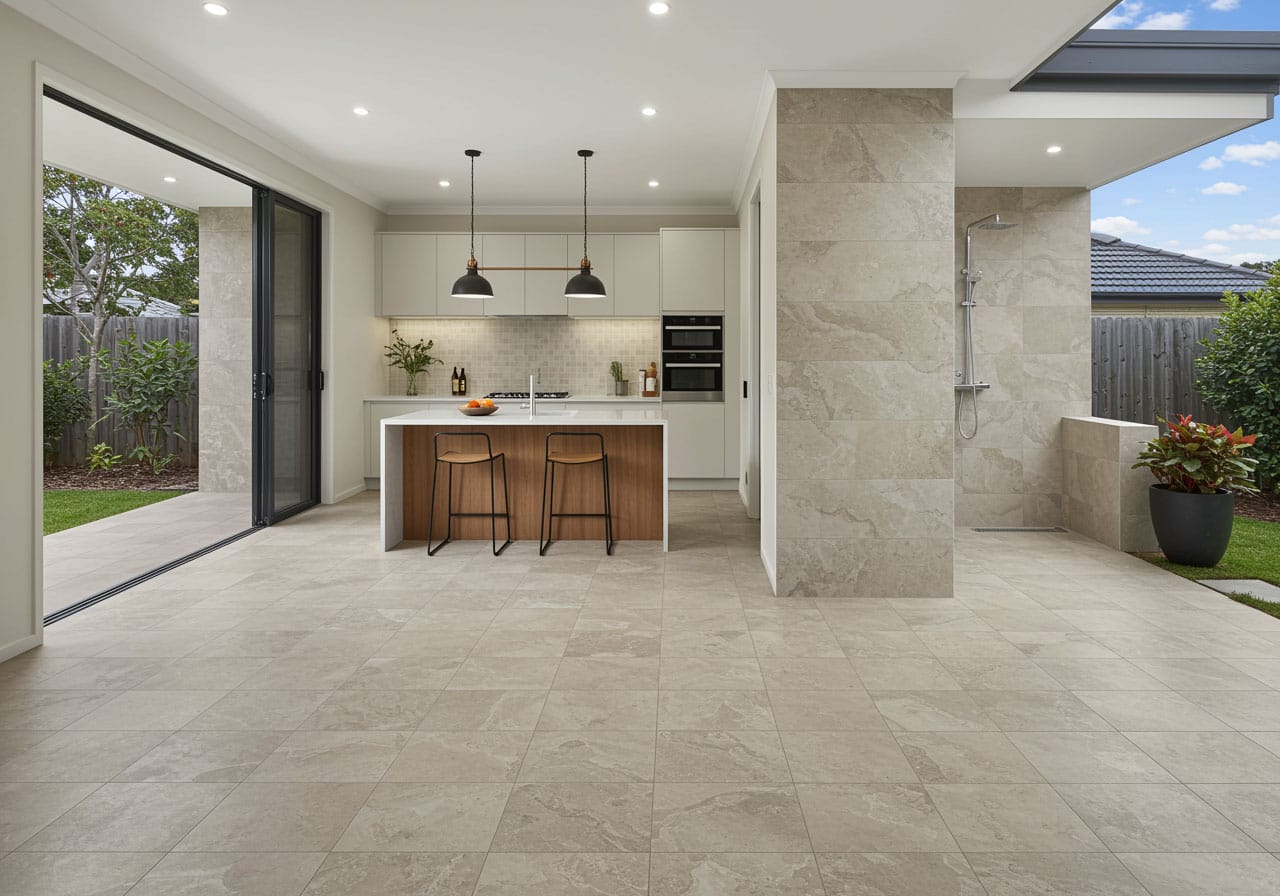
Thinking about new floors? Tile flooring has long been a favourite for its timeless appeal, durability, and versatility. From sleek stone-look designs to warm wood-look finishes, tile floors can suit almost any home style. But while tile flooring is undeniably practical and stylish, it isn’t always the perfect fit for every space or lifestyle.
At Ross’s Discount Home Centre, we’ve helped countless Perth homeowners choose tiles that combine quality, value, and long-lasting performance. Our extensive floor tile range includes everything from classic ceramic tile flooring to modern porcelain and wood-look tile flooring, with options to suit every taste and budget.
In this guide, we’ll take an honest look at the pros and cons of tile flooring to help you decide whether it’s right for your home. By the end, you’ll have a clear understanding of how tiles compare with other floor coverings — and whether it’s the right choice for your next home improvement project.
The Advantages of Tile Flooring
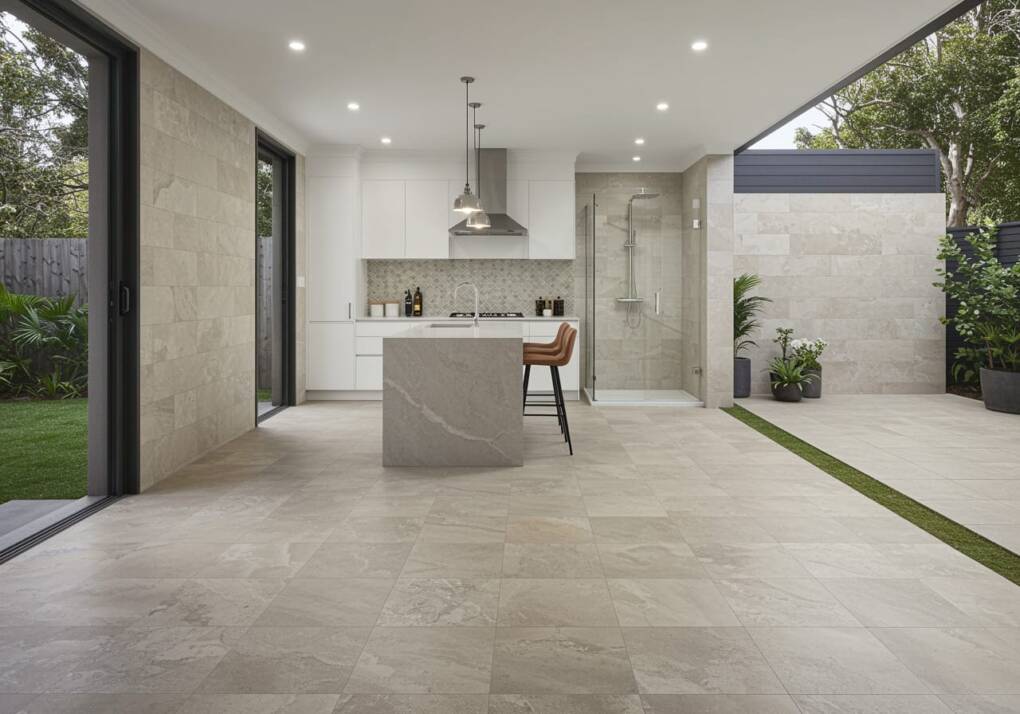
Tile flooring has remained one of the most trusted choices for Australian homes — and for good reason. It offers the perfect blend of beauty, durability, and practicality, making it an ideal solution for busy households and modern renovations alike.
Durability and Longevity
Tile floors are incredibly tough and built to last. Both ceramic tile flooring and porcelain tiles resist scratches, dents, and moisture, making them exceptionally well-suited for high-traffic areas like kitchens, bathrooms, and hallways. With proper installation and care, tile flooring can last for decades, making it one of the longest-lasting floor coverings available.
Low Maintenance and Easy Cleaning
Tile floors are easy to maintain and quick to clean. Regular sweeping or vacuuming removes dust and debris, and a simple mop keeps tiles looking fresh. When sealed correctly, both the tiles and grout resist stains, bacteria, and mould, making tile flooring one of the most hygienic and low-maintenance flooring types on the market.
Design Flexibility
Few flooring options offer the same variety as tile. Tile flooring can be used in every room — from bathroom tile flooring and kitchen tile flooring to outdoor tile flooring. It’s available in countless colours, patterns, and finishes, including popular wood-look tile flooring that adds warmth and texture to contemporary interiors.
Cooling and Eco-Friendly
Tile flooring helps naturally cool interiors — a major advantage in Perth’s warm climate. Made primarily from natural materials like clay and sand, tiles are also an eco-friendly flooring option. Many modern tiles are recyclable and manufactured sustainably, making them a responsible choice for environmentally conscious homeowners.
Fire Resistance
Tile flooring is naturally fire-resistant, making it one of the safest flooring types available. It won’t burn, melt, or release toxic fumes when exposed to heat, providing peace of mind in kitchens, living areas, or homes with fireplaces. This durability under pressure also means tiles won’t warp or degrade after exposure to high temperatures — an often-overlooked benefit for long-term homeowners.
Allergen and Pet Friendly
Unlike carpets and some vinyl floors, tile doesn’t trap dust, pollen, or pet hair. The smooth, sealed surface is easy to wipe clean and resists allergens, bacteria, and odours. This makes tile flooring a healthier choice for allergy-sensitive households and pet owners alike, helping to maintain a cleaner indoor environment with minimal effort.
Underfloor Heating Compatibility
Tile’s natural thermal conductivity makes it an excellent match for underfloor heating systems. It distributes warmth evenly, retains heat efficiently, and ensures consistent comfort during Perth’s cooler months. This combination of practicality and luxury adds long-term value to any modern renovation while maintaining tile flooring’s sleek, polished look.
TL;DR: Tile flooring offers durability, low maintenance, and stylish versatility, making it one of the most practical flooring solutions for Perth homes.
The Drawbacks of Tile Flooring
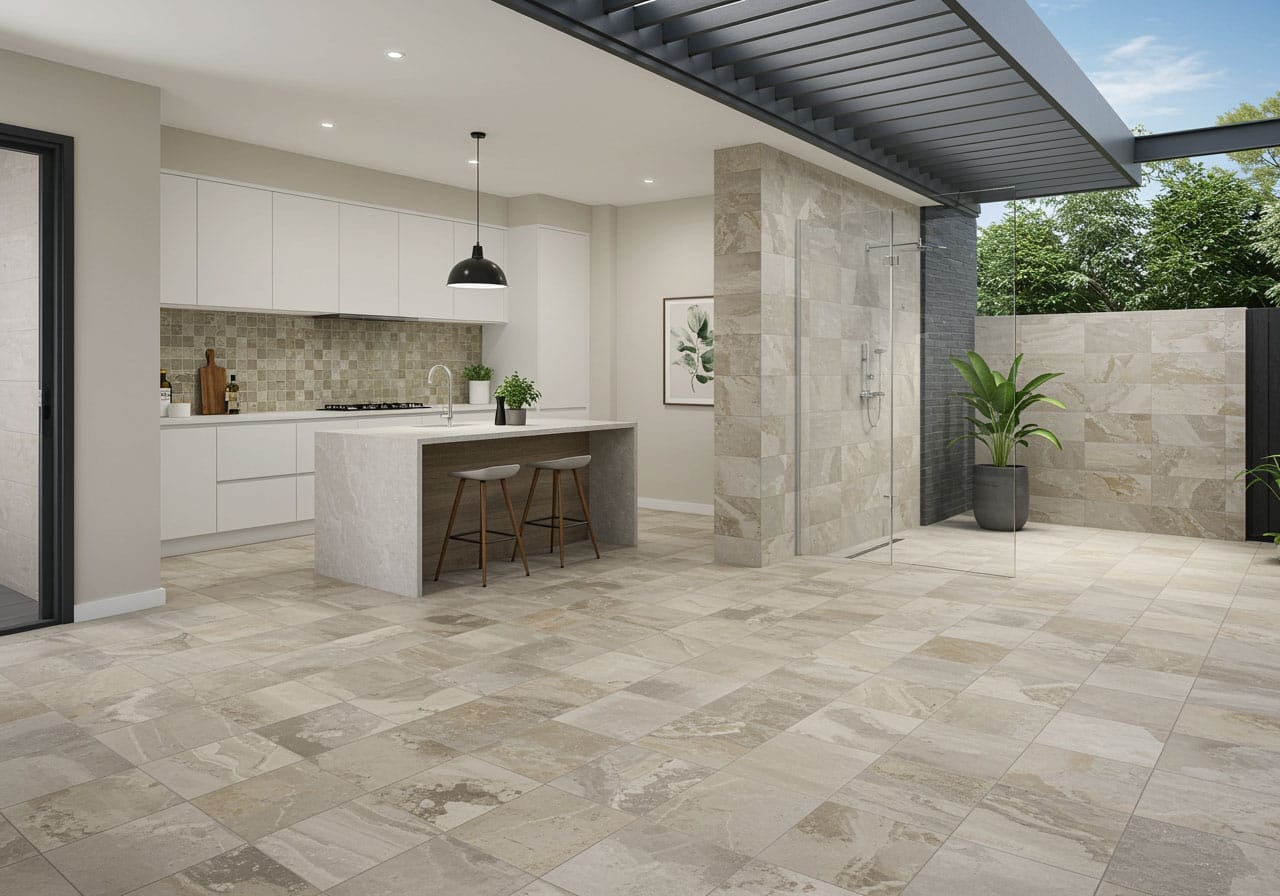
While tile flooring offers many benefits, it’s not without a few drawbacks. Understanding these potential downsides helps you plan effectively and choose the right materials for your space.
Cold and Hard Underfoot
Tile floors can feel cold underfoot, especially in winter or in homes without underfloor heating. The surface is also harder than vinyl, laminate, or timber flooring, which may make it less comfortable to stand on for long periods. Rugs or strategically placed mats can soften the feel and add warmth and texture to the room.
Higher Upfront Cost
Both the materials and installation for tile flooring tend to cost more than alternatives such as laminate or vinyl. Quality floor tiles typically range from around $30–$60 per m² at Ross’s, depending on the style and finish, and professional tiling adds to that total due to the skill and precision required. However, tiled floors last significantly longer — often decades — meaning the higher upfront price is offset by lower replacement and maintenance costs over time.
Grout Maintenance
Although tile flooring itself is low-maintenance, grout lines can stain or discolour over time without proper sealing. Regular cleaning and resealing help prevent grime build-up and maintain a fresh, uniform appearance. Choosing darker grout tones can also make maintenance easier and reduce visible wear.
Weight and Structural Considerations
Tiled floors are heavier than most other flooring types. This means they may not be suitable for all building structures — particularly older homes or upper-storey installations where weight can be a concern. Always ensure your subfloor and structure can safely support the load before installation.
Sound and Comfort
Hard surfaces like tile tend to reflect sound rather than absorb it, which can lead to echoes in open-plan or minimally furnished spaces. Adding rugs, curtains, or soft furnishings can help dampen noise and improve comfort levels in tiled areas.
Slipperiness When Wet
Certain tile finishes, especially glossy or polished porcelain tiles, can become slippery when wet. Choosing anti-slip finishes for bathrooms, kitchens, or outdoor areas ensures safer everyday use. Read, Are Non-Slip Floor Tiles Worth It?, for more information.
TL;DR: The main disadvantages of tiled flooring are its colder feel, higher costs, and grout upkeep — but with the right planning and products, these challenges are easily managed.
Tile Flooring vs Vinyl: Which Is Better?
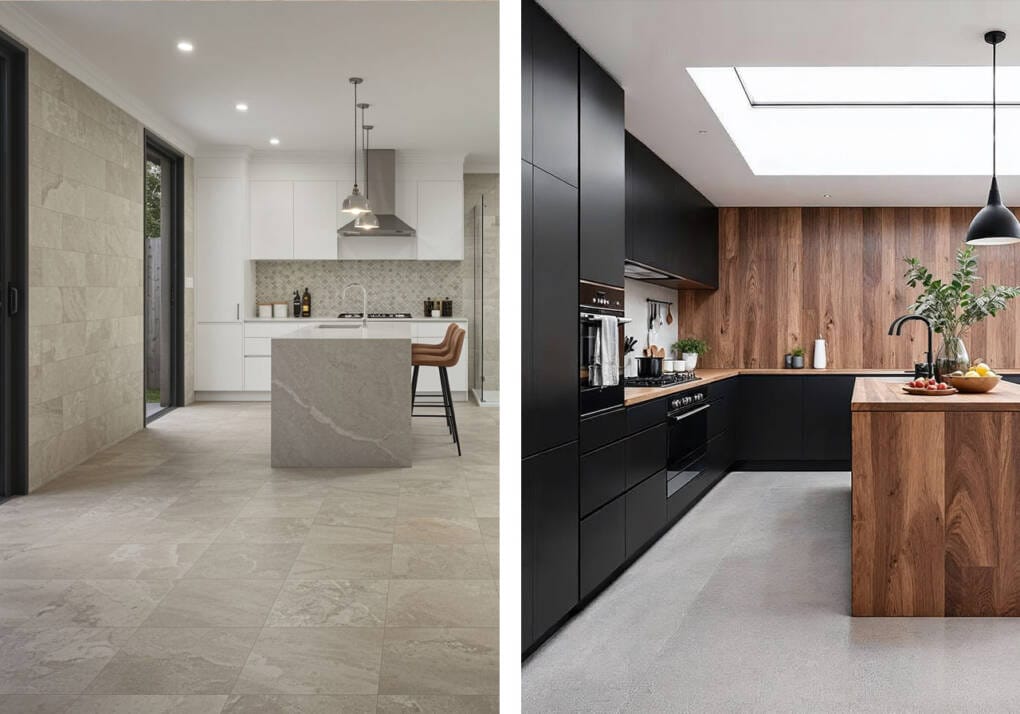
Tile flooring and vinyl are two of the most popular choices for Australian homes, each offering unique strengths. The best option depends on your priorities — whether you value long-term durability or quick, budget-friendly installation.
Durability and Longevity
When it comes to lifespan, tile flooring easily wins. Porcelain and ceramic tile floors can last decades with minimal wear, even in high-traffic areas like kitchens and bathrooms. Vinyl floors, while softer underfoot, are more prone to dents and scratches and may need to be replaced every 10–15 years.
Water Resistance and Maintenance
Both flooring types are highly water-resistant, making them suitable for wet areas. However, tile flooring provides superior protection against moisture and steam — especially in bathroom tile flooring or kitchen tile flooring applications. Vinyl is easier to install and replace, but it can be damaged if water seeps beneath planks or at seams.
Comfort and Installation
Vinyl is warmer and softer underfoot, providing greater comfort during long periods of standing. It’s also quicker and cheaper to install than tile, which requires professional labour and proper subfloor preparation.
Value and Appearance
Tile flooring offers a more premium look and adds long-term property value. Its timeless design options, including stone and timber-look finishes, give homes an elevated, high-end aesthetic. Vinyl mimics these styles well at a lower upfront cost but doesn’t offer the same longevity or resale appeal.
| Feature | Tile Flooring | Vinyl Flooring |
| Durability | Extremely long-lasting (20+ years) | Moderate (10–15 years) |
| Water Resistance | Excellent — ideal for kitchens and bathrooms | Good, but seams can lift if exposed to moisture |
| Comfort | Hard and cool underfoot | Softer and warmer feel |
| Maintenance | Low — requires occasional grout care | Very low — easy to clean |
| Installation Cost | Higher — professional install needed | Lower — easy DIY or quick fit |
| Aesthetic Value | Premium, increases property value | Affordable, realistic designs |
TL;DR: Vinyl is cheaper and warmer, but tile flooring wins on durability, water resistance, and long-term style — especially for kitchens and bathrooms.
For a balanced comparison between tile floors and other options, see Floor Tiles vs Engineered Floorboards: Which Is Best?
What Is the Best Type of Tile Flooring?
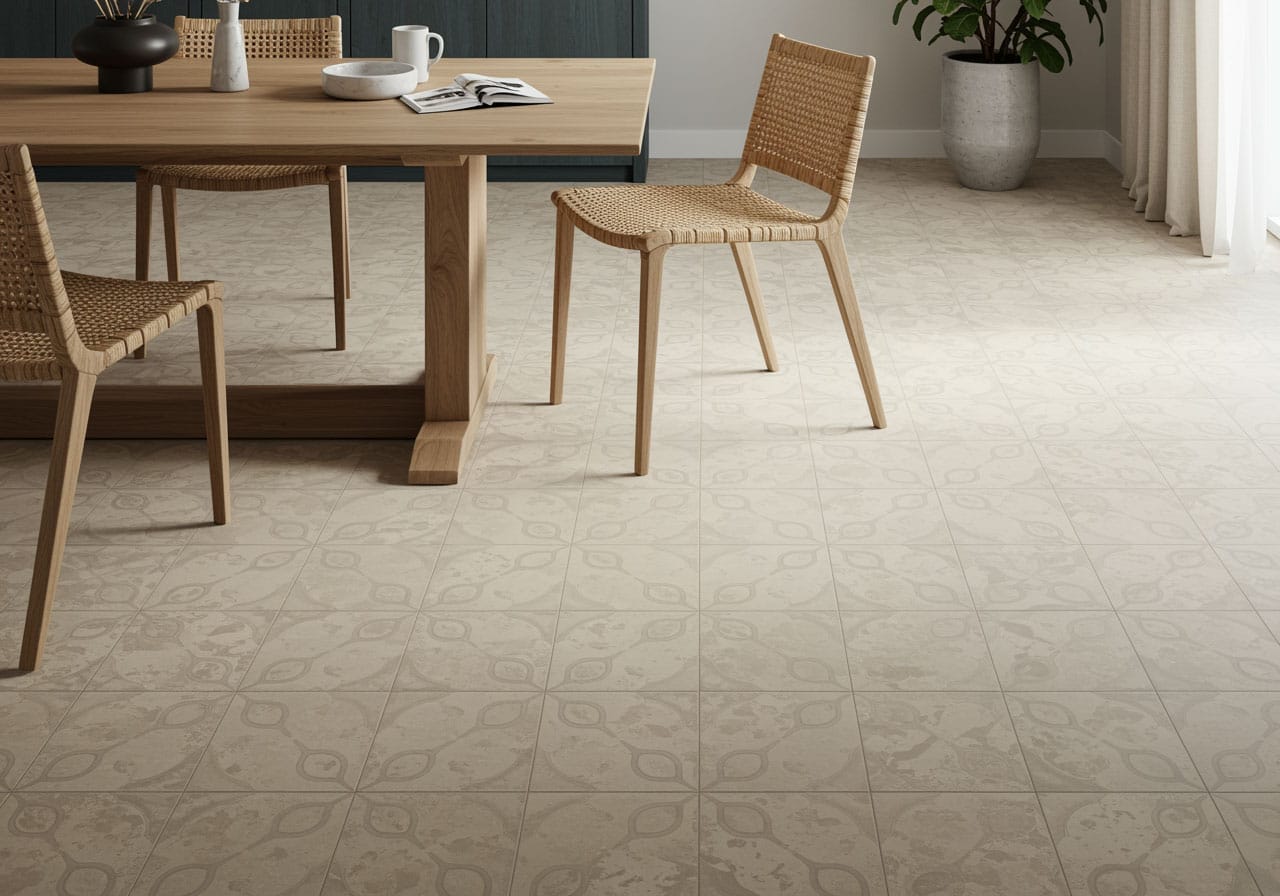
Choosing the best type of tile flooring depends on where it’s going and how you use the space. Each tile material has its own strengths, making it easy to find the right fit for your home.
Ceramic Tile Flooring
Ceramic tile flooring is one of the most popular and cost-effective choices. It’s durable, water-resistant, and easy to maintain, making it ideal for kitchens, hallways, and everyday living spaces. Ceramic tiles come in endless colour and pattern options, allowing you to match any interior style without breaking the budget. For a full guide on how they’re made and why they’re so versatile, see The 101 of Ceramic Tiles.
Porcelain Tiles
Porcelain is a denser, more refined version of ceramic. It’s extremely strong, highly stain-resistant, and perfect for high-traffic or moisture-prone zones like bathrooms and laundries. Porcelain tiles have low porosity, making them ideal for outdoor or semi-outdoor use, where durability matters most.
Natural Stone Tiles
Stone tiles, such as marble, travertine, and slate, offer unmatched natural beauty. While they require regular sealing and maintenance, they add timeless character and luxury to living areas or entryways.
Wood Look Tile Flooring
Wood look tile flooring combines the warmth and texture of timber with the strength and water resistance of tile. It’s an excellent choice for open-plan living areas or homes wanting a seamless, natural aesthetic without the upkeep of real wood.
TL;DR: Ceramic and porcelain are the best types of tile flooring for most Perth homes — balancing durability, style, and value.
When Tile Flooring Works Best (Ideal Rooms & Applications)
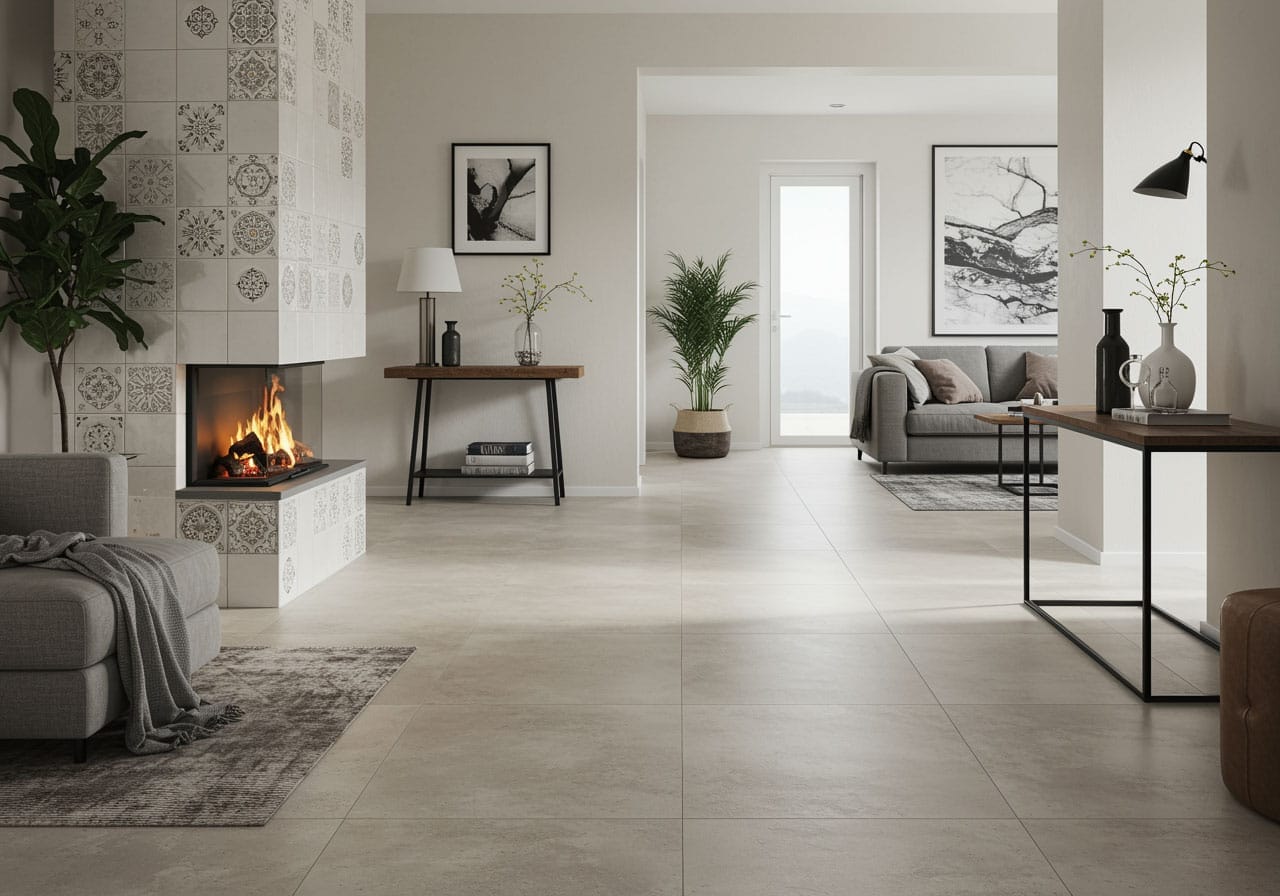
Tile flooring is one of the most adaptable flooring options for Australian homes, offering durability and style across almost every space. Knowing where tile floors perform best can help you design a home that looks beautiful and functions effortlessly.
Bathrooms
Bathrooms are the most common place to use tile flooring — and for good reason. Tiles handle water, humidity, and frequent cleaning with ease. Non-slip finishes keep the space safe, while large-format or textured tiles help create a modern, seamless look.
Kitchens
In busy kitchens, tile flooring delivers the perfect balance of practicality and style. It’s easy to clean after spills and resists dents or marks from dropped utensils. Many Perth homeowners choose ceramic or porcelain tiles for their combination of water resistance and long-term durability. For ideas tailored to your kitchen, see 6 Kitchen Floor Tiles to Consider for Your Home.
Hallways and Entryways
High-traffic areas like hallways, foyers, and entryways benefit from tile floors’ strength and resilience. They resist dirt, scuffs, and heavy footfall better than most other floor coverings, keeping these spaces looking clean and polished.
Living Areas
Modern homes often feature open-plan living areas where tile flooring flows from the kitchen into lounge spaces. Wood-look floor tiles are especially popular here — offering the warmth of timber with the durability of tile, ideal for Perth’s climate.
Outdoor and Alfresco Areas
Porcelain and textured outdoor tiles extend your living space beyond the interior. They’re weather-resistant, easy to maintain, and create a seamless connection between indoor and outdoor entertaining zones.
TL;DR: Tile flooring works best in bathrooms, kitchens, hallways, and outdoor areas — providing style, strength, and practicality for every part of your home.
Tile Flooring for Perth Homes: Why Shop at Ross’s
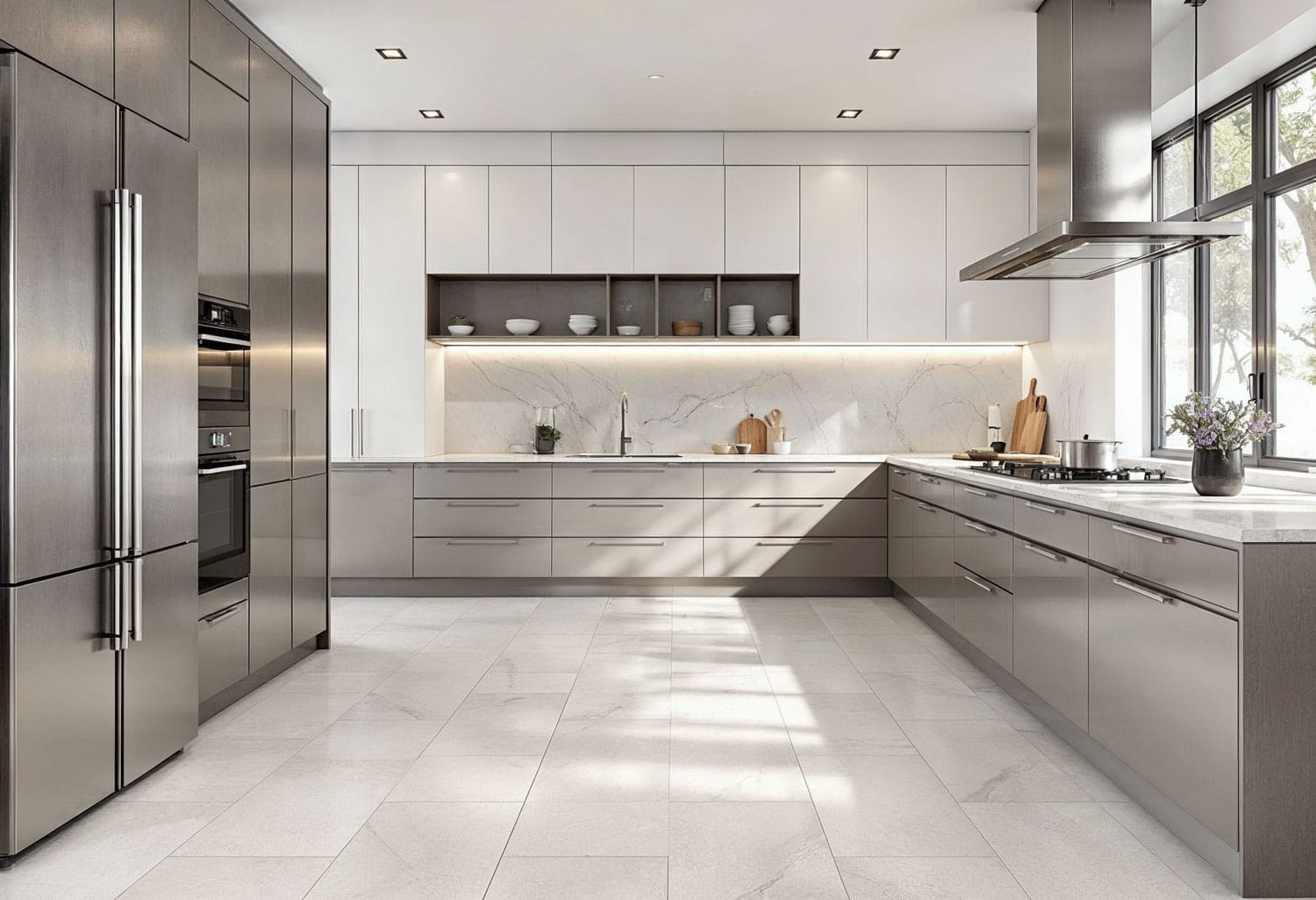
For over 50 years, Ross’s Discount Home Centre has been Perth’s trusted name in quality tiles. From contemporary apartments to large family homes, we supply durable, affordable floor tiles for every space — including outdoor, kitchen, and bathroom tile flooring.
Our showroom in Guildford features one of Perth’s largest tile and flooring displays, giving you the chance to see and feel different finishes before you buy. Every tile is backed by expert advice, competitive pricing, and fast Perth Metro delivery — making it simple to bring your renovation plans to life.
With styles ranging from stone-look to wood-look and matte to gloss finishes, Ross’s offers tile flooring Perth homeowners can rely on for value and longevity. Visit our showroom or browse online to explore hundreds of affordable, high-quality options for your next home renovation.
TL;DR: Ross’s Discount Home Centre offers Perth’s best range of affordable, durable, and stylish floor tiles for every room in the home.
-
$60.00 / m2


-
$60.00 / m2

-
$60.00 / m2


-
$60.00 / m2

-
$45.00 / m2


-
$45.00 / m2

Conclusion
Tile flooring remains one of the most durable, waterproof, and stylish options for modern homes. While it can feel cooler and is costlier to install than other floor coverings, its longevity and easy maintenance make it a smart long-term investment. The best tile flooring Perth homeowners can choose will balance function, design, and budget — from affordable ceramic to premium porcelain or wood-look tiles.
At Ross’s Discount Home Centre, you’ll find an extensive range of tile flooring designed for every space — kitchens, bathrooms, and living areas alike. Explore timeless finishes, practical designs, and durable quality backed by decades of local expertise.
Explore our Floor Tile Buying Guide or visit our tile showroom to see why Perth homeowners trust Ross’s for their modern home renovation needs.
