
Raked Windows: Pros, Cons & Which Homes They Actually Suit
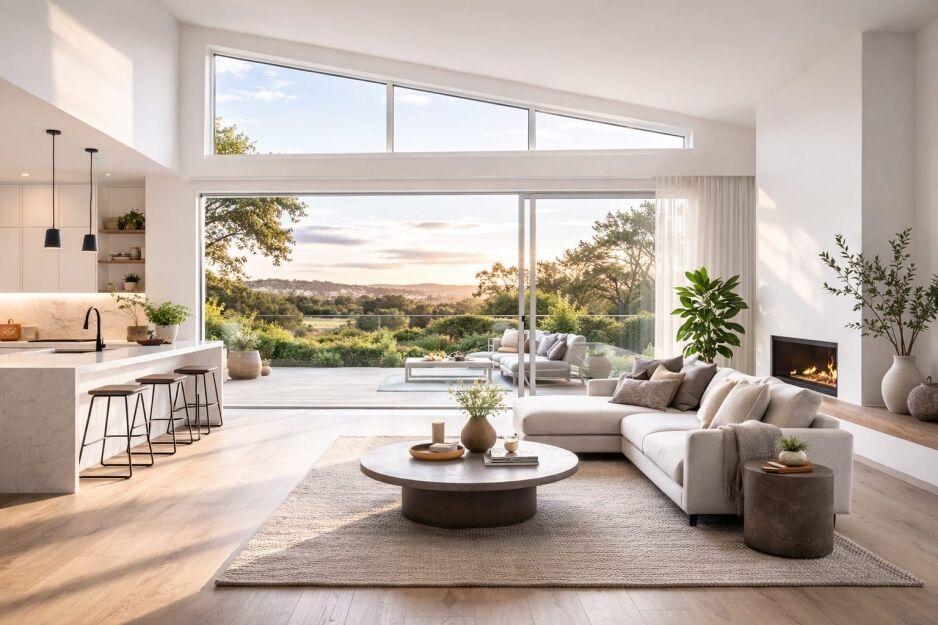
Ever noticed a window that follows the angle of the roof instead of sitting square? That’s a raked window — and it’s usually there for a very specific reason.
Raked windows, also known as rake windows or rake head windows, feature an angled or sloped top that aligns with pitched ceilings, gables, or modern architectural rooflines. Unlike standard aluminium windows, these are typically fixed rake head windows, meaning they don’t open and are used purely for light, height, and visual impact.
Raked windows are designed for special window shapes where a standard rectangular frame won’t fit. While many raked windows are custom-made, Ross’s also offers off-the-shelf windows in standard configurations, with custom options available where needed. In Perth, they’re most often seen in contemporary builds that lean into geometric window design, high ceilings, and strong architectural lines.
When used in the right setting, raked aluminium windows can flood a space with natural light and elevate the design. Used in the wrong place, they can add cost without much return. That’s why it’s worth breaking down the pros, cons, and where they actually make sense before committing.
What Are Raked Windows?
Raked windows, also known as rake head windows, are fixed window units designed with an angled or sloped head rather than a standard horizontal top. This angled profile allows the window to follow the pitch of a roofline, ceiling, or architectural feature, whereas a rectangular window would leave unused space or disrupt the visual flow.
Unlike most standard aluminium windows, raked windows do not open. They are designed solely to bring in natural light and visual interest, often using large glass window panels to highlight ceiling height or architectural geometry. Because of their angled shape, raked windows don’t follow traditional rectangular sizing. While many are custom-made to suit specific openings, raked aluminium windows are also available in standard configurations when they’re planned into the home’s design early.
You’ll typically find raked windows in modern homes with pitched ceilings, gables, or other architectural roof forms. They’re also common in designs that lean into geometric window design, where shape and proportion are just as important as function. While they’re not practical as everyday windows, they play a key supporting role alongside operable aluminium windows elsewhere in the home.
Raked Windows vs Gable Windows — What’s the Difference?

The terms “raked windows” and “gable windows” are often used interchangeably, which can be confusing. While they’re closely related, there is a subtle but important distinction.
Gable windows are defined by where they’re installed. A gable window sits in the vertical wall at the end of a pitched roof—the triangular section known as the gable end. These windows are commonly seen in gabled window designs and can take on triangular or trapezoid shapes to fit the space beneath the roofline.
Raked windows, on the other hand, are defined by their shape, not their location. A rake head window refers to any window with a sloped or angled head, regardless of where it’s positioned. This means raked windows can be used in gables, along stairwells, beneath raking ceilings, or anywhere a straight-headed window won’t suit the opening.
In practice, many gable windows are also raked windows — but not all raked windows are gable windows. Both fall under the category of special window shapes, designed to follow rooflines and angles. Depending on the design stage, they can be selected from standard raked window configurations or manufactured to suit a specific angle and opening.
Are Raked Windows Fixed or Opening?
In almost all cases, raked windows are fixed rake head windows. They are designed as non-opening units, primarily to bring natural light into spaces where a standard rectangular window won’t fit. Because of their angled shape, incorporating opening mechanisms into raked windows is rarely practical and often not structurally or mechanically viable.
Opening hardware relies on square frames, balanced loads, and consistent sealing points — all of which become difficult to achieve once a window head is sloped. For this reason, fixed windows are the preferred solution for raked designs, allowing larger glass window panels, cleaner sightlines, and better long-term weather sealing within aluminium window systems.
To manage airflow, raked windows are typically paired with operable aluminium windows elsewhere in the room, such as awning or sliding windows positioned below or alongside them. This combination allows homeowners to maximise light and architectural impact from the raked window while still achieving practical ventilation through more conventional window types.
Advantages of Raked Aluminium Windows
Raked aluminium windows are not designed to be an all-purpose window solution — but in the right setting, they offer benefits that standard window types simply can’t. Their strengths are largely architectural, helping solve design challenges created by angled ceilings, roof pitches, and non-rectangular wall spaces. When used intentionally, they can dramatically improve light, balance, and visual impact in a modern home design.
Brings Natural Light into High or Angled Spaces
One of the biggest advantages of raked aluminium windows is their ability to introduce natural light into areas where standard windows aren’t possible. Homes with vaulted ceilings, skillion roofs, or raked ceiling lines often have large sections of wall space that sit above eye level and below the roofline — areas that would otherwise remain dark or underutilised.
By incorporating fixed glass window panels with a raked head, daylight can penetrate deep into living spaces, stairwells, and open-plan areas. This helps soften shadows, reduce reliance on artificial lighting, and create a brighter, more expansive feel throughout the home. In modern architectural designs, raked windows are often used to highlight ceiling height and reinforce the sense of openness that contemporary layouts aim to achieve.
Strong Architectural & Visual Impact
Raked aluminium windows deliver a level of visual impact that standard rectangular windows simply can’t match. Because they’re designed to follow rooflines or ceiling angles, they instantly create an architect-designed feel within a space. Their shape draws the eye upward, reinforcing ceiling height and giving rooms a more considered, intentional appearance.
Rather than acting as a utility window, raked windows are typically used as a feature. Their geometric window shapes and clean lines complement modern and contemporary homes, where special window shapes are often used to break up flat façades or add interest to large internal wall areas. When integrated well, architectural windows like these become a defining element of the home’s overall design rather than just another opening.
Ideal for Privacy Without Blocking Views
Another advantage of raked windows is their ability to balance privacy and visibility. Because they’re usually positioned higher on walls, they allow natural light to enter without exposing the interior to neighbouring properties or street-level sightlines. This makes them particularly useful on suburban Perth blocks, where boundary spacing and overlooking can be a concern.
In modern Australian homes, raked aluminium windows are often placed to capture sky views, tree canopies, or filtered daylight while keeping living spaces private. This makes them a smart option for bedrooms, living areas, and stairwells where privacy is important, but a bright, open feel is still desired.
Complements Standard Window Systems Without Compromising Function
Raked windows are designed to work alongside standard opening windows, not replace them. Because they are fixed, they don’t interfere with ventilation, access, or everyday usability elsewhere in the room. Instead, they solve architectural challenges at ceiling height while allowing operable aluminium windows below to handle airflow and temperature control.
This makes raked aluminium windows an effective supporting element within a broader aluminium window system. Homeowners get the visual and lighting benefits of a raked window without compromising how the space functions day-to-day.
Makes Use of Otherwise Wasted Wall Space
In homes with pitched roofs or raked ceilings, there is often significant wall space above standard window heights that goes unused. Raked windows allow this space to be used productively, bringing in natural light where a rectangular window would either look out of place or simply not fit.
This is particularly valuable in stairwells, voids, and double-height living areas, where blank walls can feel heavy or disconnected from the rest of the design. By filling these areas with glass window panels, raked windows help balance proportions and make large spaces feel lighter and more cohesive.
Durable and Low Maintenance When Made in Aluminium
Because raked windows are fixed and have no moving parts, they are inherently low maintenance. When manufactured using aluminium window frames, they offer excellent long-term durability, resisting warping, swelling, and deterioration caused by heat or moisture.
In Perth conditions, where strong sun and temperature changes are common, aluminium raked windows provide a reliable, long-lasting solution. Once installed correctly, they require very little maintenance while remaining a stable, weather-resistant architectural feature.
Disadvantages of Raked Windows (What to Consider First)
While raked windows can be a striking architectural feature, they’re not a practical solution for every home or every room. Understanding the disadvantages of raked windows up front is essential, as these windows are designed to address specific design challenges rather than provide everyday functionality. In most cases, their limitations come down to ventilation, cost, and suitability—especially compared to standard aluminium windows.
No Ventilation or Airflow
Raked windows are designed to bring in light and highlight architectural features, not to provide ventilation. Because fixed rake head windows do not open, they are not suitable if airflow or cross-ventilation is a primary requirement for the space.
If ventilation is a key priority in a room, raked aluminium windows are generally not the right choice on their own. In these cases, opening windows such as sliding or awning styles are better suited to handle airflow, while raked windows can be used selectively for light and visual impact where ventilation isn’t required.
Only Suited to Certain Architectural Designs
One key drawback of raked windows is that they are suitable only for specific architectural layouts. Because their angled head is designed to follow a roofline, raked windows work best in homes with sloping ceilings, pitched roofs, or defined gable ends. In rooms with standard ceiling heights or flat rooflines, there’s often no practical or visual benefit to using them.
This makes raked windows far more common in architecturally designed homes than in conventional builds. They are usually planned as part of the original architectural design, with roof pitch, ceiling angles, and window placement considered together. Retrofitting raked windows into an existing home is often difficult or impractical, particularly if the roof structure doesn’t naturally allow for a raked opening.
For this reason, raked windows and gable windows are best viewed as a design-led solution rather than a flexible option that can be added anywhere.
Higher Cost Than Standard Fixed Windows
Raked aluminium windows generally cost more than standard fixed windows, even though they don’t open. The added cost comes from their angled design, non-rectangular glazing, and more involved manufacturing. While many are made to suit specific openings, planning around our standard raked window sizes can also be used to help manage overall costs.
The non-rectangular shape also makes installation more involved. Accurate measurement, flashing, and precise fitting are essential to ensure proper sealing and long-term performance. As part of architectural glazing, these additional steps increase upfront costs compared to conventional aluminium windows.
While the added expense can be worthwhile in the right design, it’s important to understand that raked windows are an architectural feature rather than a budget-friendly alternative to standard fixed glazing.
Installation Must Be Done Correctly
Because of their angled head, rake head windows require more careful installation than standard rectangular units. One of the most important considerations is correct flashing, particularly along the sloped edge, where water can naturally collect and flow toward the lower end of the window if not managed properly.
If aluminium window installation is not handled correctly, there is an increased risk of water pooling, leaks, or long-term moisture issues around the frame. This makes precise measurement, proper sealing, and effective weatherproofing critical to the window’s long-term performance.
For this reason, raked windows are best installed by experienced professionals who understand how to manage angled openings and flashing details. When installed correctly, they perform reliably. When shortcuts are taken, issues are far more likely to appear — making correct installation a key consideration when planning rake windows.
Where Raked Windows Work Best in Australian Homes
Raked windows are not a one-size-fits-all solution. They work best in homes where the architecture already supports their shape and purpose, rather than being forced into a layout that doesn’t suit them. Understanding where raked windows in Perth are most commonly used helps homeowners quickly determine whether they’re a smart design choice or an unnecessary complication.
Skillion Roof and Vaulted Ceiling Homes
Homes with skillion roofs or vaulted ceilings are one of the most natural settings for raked windows. The sloped ceiling line creates an ideal opportunity to install a window that follows the roof pitch, allowing light to enter at height without disrupting the design.
In these homes, raked windows help emphasise vertical space and ceiling height, making rooms feel larger and more open. They also prevent awkward blank wall sections that can occur when standard window heights don’t align with angled ceilings, supporting a more cohesive modern home design.
Gable-End Feature Walls
Raked windows work particularly well in gable-end walls, where they visually complement the triangular shape of the roof structure. In this position, they’re often used alongside other fixed or opening windows to create balance and symmetry across the façade.
Used thoughtfully, raked windows and gabled windows together can turn a plain wall into an architectural feature. They allow natural light to enter high into the space while reinforcing the geometry of the roofline, rather than competing with it.
Modern & Architect-Designed Builds
Raked windows are most often found in modern, architect-designed homes where roof structure, ceiling height, and window placement are planned together from the outset. In new builds, this allows raked aluminium windows to be integrated seamlessly into the design rather than added as an afterthought.
In renovation projects, raked windows are less common unless significant structural changes are already planned. Because they rely on sloping rooflines and angled openings, they are usually practical only when the architectural design supports them from the outset. In these cases, custom aluminium windows can be tailored precisely to suit the home’s geometry and design intent.
Raked Window Options Available at Ross’s Discount Home Centre
At Ross’s Discount Home Centre, we stock a range of raked aluminium windows designed to suit a variety of roof pitches and architectural layouts. Our selection focuses on fixed rake head windows that prioritise light, clean lines, and long-term durability, making them ideal for modern Perth homes.
The range includes Single Panel Fixed Raked Windows, Double Panel Fixed Raked Windows, Three Panel Fixed Raked Windows, and Four Panel Fixed Raked Windows, allowing you to choose a configuration that matches your roofline’s span and proportion. Whether the goal is to highlight a gable end or bring light to a high-ceiling space, these options provide flexibility without unnecessary complexity.
All of our raked windows are manufactured in aluminium for strength, stability, and low maintenance. They’re designed to integrate easily with other aluminium windows Perth homeowners commonly use, offering a custom-friendly solution without the pricing typically associated with fully bespoke architectural glazing.
Are Raked Windows Right for Your Home?
Raked windows are a purposeful design choice, not a trend-driven one. They work best in homes where rooflines, ceiling angles, and overall architecture are already doing something interesting. In those settings, raked windows can add light, balance, and visual impact that standard window shapes simply can’t achieve. In more conventional layouts, however, they may offer little benefit beyond appearance.
When weighing up raked windows, it’s important to consider both sides. The advantages lie in their ability to bring natural light into high or angled spaces, reinforce architectural lines, and maintain privacy without closing a room in. The trade-offs include their fixed design, higher cost compared to standard fixed windows, and suitability only for certain architectural forms.
If your home design naturally lends itself to angled glazing, raked aluminium windows can be an excellent addition when planned thoughtfully. If not, more conventional aluminium windows may deliver better value and practicality. To explore whether raked windows make sense for your project, you can view our window range in store or speak with the team at Ross’s Discount Home Centre for guidance on selecting the right windows for your home.
