Flooring Perth: How to Choose the Best Flooring for Your Home
Choosing the right flooring is one of the most important decisions in any renovation. Flooring affects how your home looks and feels, but it also plays a major role in durability, maintenance and long-term value. With so many flooring materials available today, it’s not always easy to decide which option will suit your space, lifestyle and budget.
Flooring in Perth homes also needs to handle some unique conditions. Hot summers, coastal sand and the popularity of indoor–outdoor living areas can all influence how well different flooring types perform over time. Some materials are better suited to moisture and temperature changes, while others work best in low-traffic areas or cooler parts of the home.
In this guide, I’ll walk through the most common flooring Perth homeowners choose and explain where each one works best. We’ll look at hybrid flooring, tile flooring, laminate flooring, vinyl flooring and timber flooring, comparing their durability, maintenance requirements and overall value. By the end, you’ll have a clearer understanding of the most practical flooring options and which flooring solution is best for your home and renovation budget.
Which Flooring Is Best for a Hot Climate Like Perth?
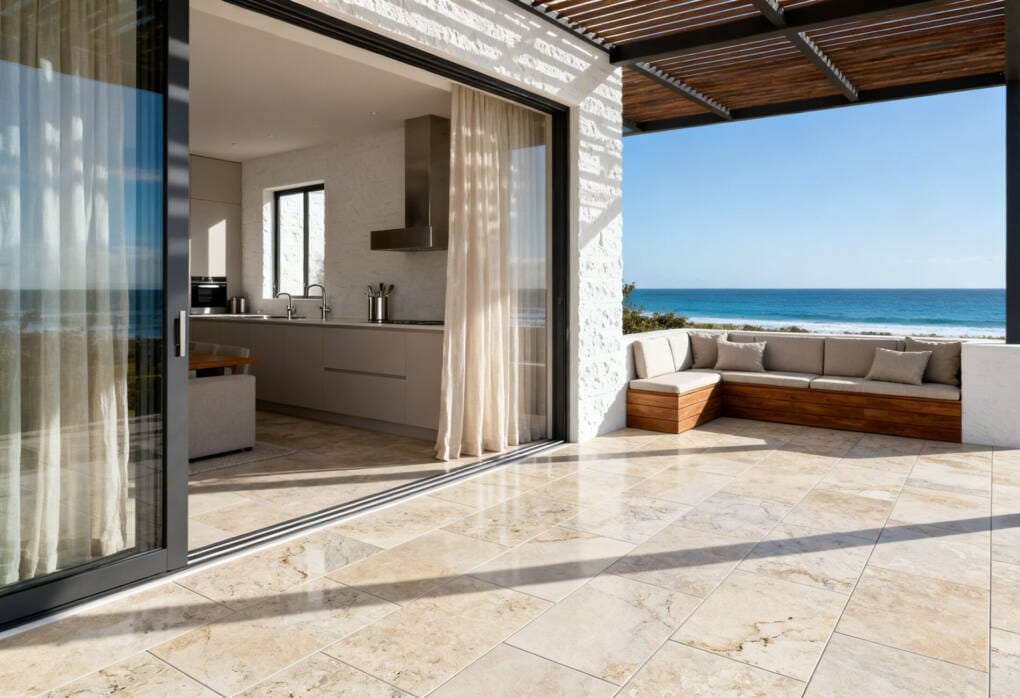
Climate plays an important role when deciding what flooring is best for your home. Perth homes face several environmental factors that influence flooring durability, including hot summers, coastal humidity in some suburbs, sand and dust, and the popularity of indoor-outdoor living spaces.
Because of these conditions, some flooring materials perform better than others. The table below shows how common residential flooring options compare in Perth’s climate.
| Flooring type | Performance in warm climates | Key considerations |
| Hybrid flooring | Very stable in heat and moisture. Highly durable. | Hybrid flooring has become a popular option for modern homes because it offers strong heat, moisture, and scratch resistance. |
| Tile flooring | Excellent durability and completely waterproof. | Tiles are extremely durable and stay cool underfoot, which can be a big advantage during hot summers. |
| Laminate flooring | Suitable for dry areas but less moisture resistant. | Works well in bedrooms or lower-traffic spaces but is generally not recommended for wet areas. |
| Vinyl flooring | Comfortable underfoot and moisture resistant. | Softer surface can wear faster in busy households. |
| Timber flooring | Natural appearance but sensitive to temperature changes. | Real timber can expand or contract with heat and humidity, which may require more maintenance. |
Overall, flooring materials with strong heat resistance, moisture resistance and flooring durability tend to perform best in Perth homes. For many households, this makes hybrid flooring and tiles two of the most practical long-term choices, particularly in homes designed around indoor-outdoor living.
How Much Does Flooring Cost in Perth?
One of the first questions homeowners ask when planning a renovation is how much new flooring will cost. While the exact price varies by material, understanding the typical flooring cost per square metre can help you plan your renovation budget more accurately.
In most homes, the total flooring installation cost depends on several factors. The flooring material itself is a major part of the price, but installation complexity and subfloor preparation can also influence the final cost. If the existing floor needs levelling, removal or repairs, these preparation steps may increase the overall project cost.
The table below provides a general flooring price comparison based on typical supply price ranges per square metre.
| Flooring type | Typical supply cost (per m²) |
| Hybrid flooring | $40–$90 |
| Tiles | $30–$120 |
| Laminate flooring | $25–$60 |
| Vinyl flooring | $30–$70 |
| Engineered timber | $80–$180 |
Installation is usually priced separately and may add $25–$60 per m², depending on the flooring type, the installation method, and the condition of the subfloor.
It’s also worth noting that flooring prices can vary between suppliers. Some retailers focus on premium materials, while others specialise in more renovation-friendly pricing. For example, our hybrid flooring range at Ross’s is just $30 per m², while our tiles typically range from about $20–$70 per m², depending on the style and material.
When comparing flooring options, it’s important to consider material cost vs installation cost rather than focusing only on the price of the flooring itself. A slightly higher material price can sometimes deliver better durability and lower maintenance over time, making it a more practical long-term investment for many homes.
The Most Popular Flooring Types for Perth Homes
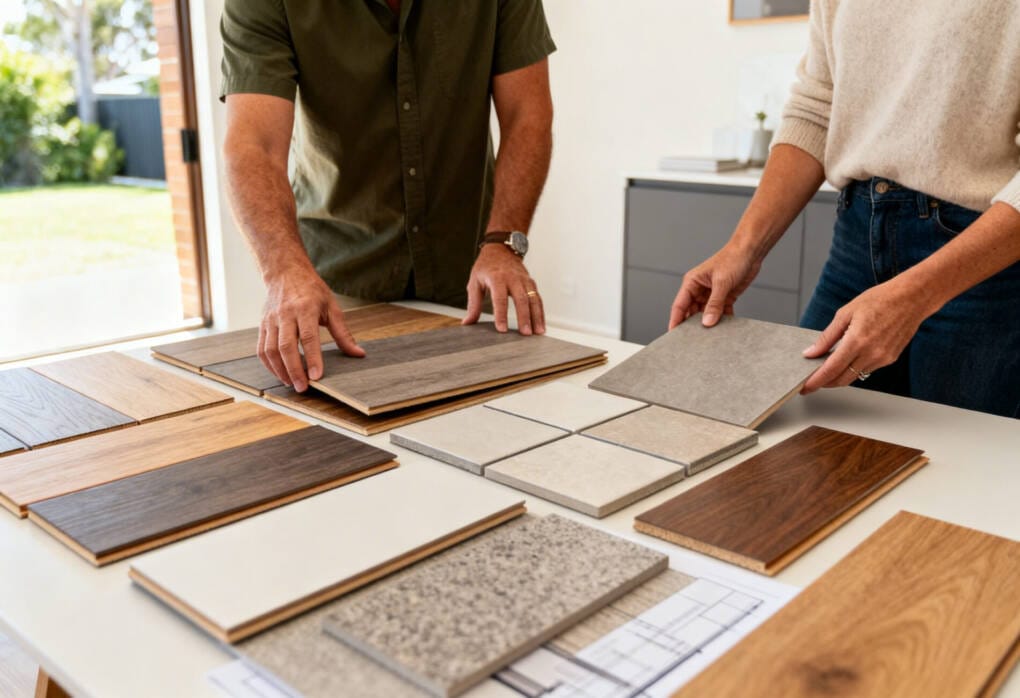
When comparing flooring in Perth homes, it quickly becomes clear that no single material suits every situation. Different flooring styles offer different advantages depending on how the space is used, the level of foot traffic, and the renovation budget. Understanding the strengths and limitations of each option can help homeowners choose flooring solutions that suit both their lifestyle and their long-term maintenance expectations.
Today, most residential flooring options fall into five main categories. These materials are commonly used across modern homes and renovation projects because they balance durability, appearance and cost in different ways.
- Hybrid flooring: A modern rigid-core flooring that combines the durability of vinyl with the stability of laminate. It is waterproof, durable, and popular among many renovation flooring options because it offers a timber-look finish with strong wear resistance.
- Tiles: One of the most durable flooring materials available. Porcelain and ceramic tiles are commonly used in kitchens, bathrooms and high-traffic areas because they offer excellent moisture resistance and long-term durability.
- Laminate flooring: An affordable floating floor designed to replicate the appearance of timber. Laminate is often chosen for bedrooms or living areas where moisture exposure is minimal.
- Vinyl flooring: A resilient flooring material known for its comfort underfoot and relatively simple installation. Vinyl planks can mimic timber flooring styles while remaining budget friendly.
- Timber flooring: Natural timber or engineered timber boards that provide a premium appearance. Timber floors are valued for their aesthetic appeal but typically require more maintenance and careful environmental control.
Each of these flooring options offers different benefits depending on the home’s needs. In the following sections, we’ll look at each flooring material in more detail to help you compare durability, maintenance requirements and overall value before making a renovation decision.
Hybrid Flooring: One of the Best All-Round Flooring Options
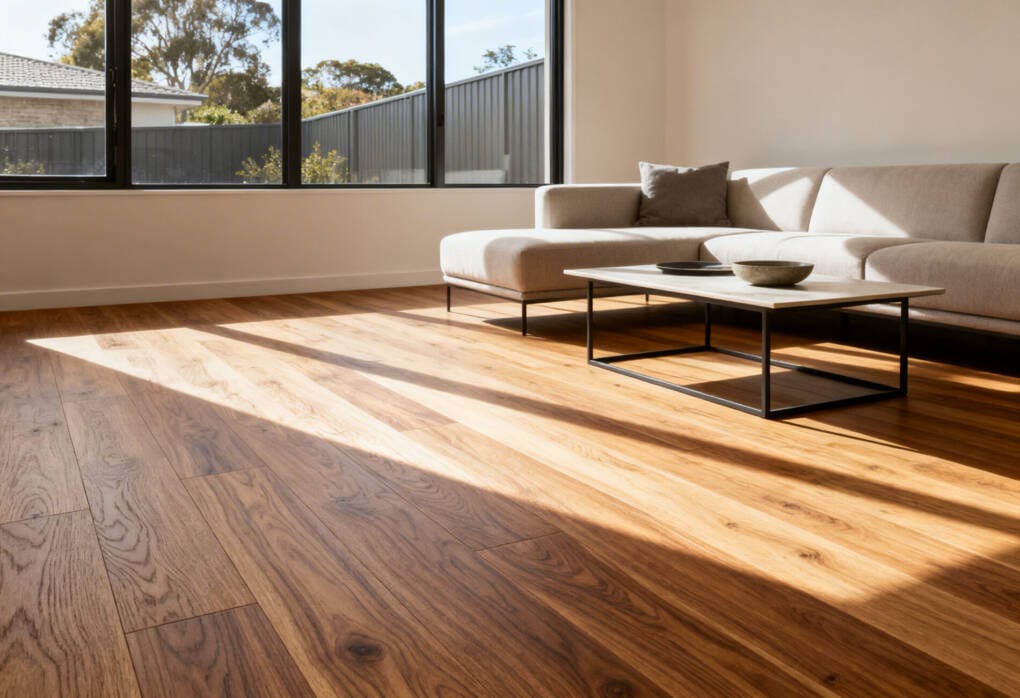
Hybrid flooring has become one of the most popular choices in modern renovations because it combines durability, moisture resistance and timber-look design in a single flooring system. Many Perth homeowners choose hybrid flooring because it performs well in busy households and handles changing temperatures better than some traditional floating floors.
Most hybrid floors use a rigid-core construction, often based on SPC (stone plastic composite). This layered structure creates a stable plank that resists movement while providing a durable surface for everyday use.
Key advantages of hybrid flooring include:
- Waterproof construction: Hybrid flooring is a waterproof flooring solution, making it suitable for living areas, kitchens and other parts of the home where moisture may be present.
- Scratch-resistant surface: The protective wear layer helps create scratch-resistant flooring that performs well in high-traffic areas and homes with pets or children.
- Timber look flooring design: Modern hybrid planks replicate the natural appearance of timber with textured finishes and realistic grain patterns.
- Stable rigid core structure: The rigid core flooring base improves dimensional stability and helps prevent expansion or contraction from temperature changes.
- Simple floating installation: Most hybrid floors use a click-lock system, allowing planks to be installed quickly compared with many traditional flooring materials.
Because of this balance of durability, low maintenance and realistic timber appearance, hybrid flooring has become one of the most practical flooring solutions for modern homes.
If you’re considering hybrid flooring for your renovation, our Hybrid Flooring Buying Guide explains what to look for when choosing a product, while our comparison of Hybrid Flooring vs Engineered Timber highlights how hybrid flooring performs against other timber-look options.
Tile Flooring: Durable and Long-Lasting
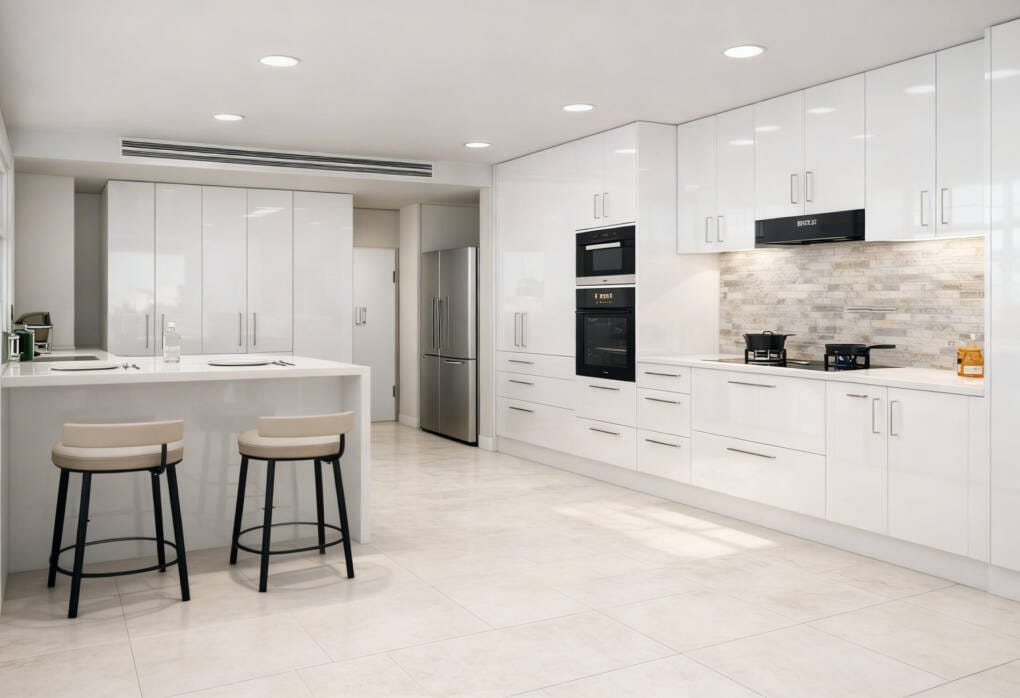
Tile flooring has been used in homes for decades because it offers excellent durability and moisture resistance. In many Perth homes, tiles are a practical choice for areas that experience heavy use or are regularly exposed to water. Kitchens, bathrooms, laundries and open-plan living areas often benefit from the long lifespan and low maintenance flooring that tiles provide.
Most floor tiles are made from porcelain or ceramic, both of which offer strong durability. Porcelain tiles are generally denser and more moisture-resistant, while ceramic tiles are often more affordable and widely used across a variety of flooring styles.
Some of the key advantages of tile flooring include:
- Exceptional durability: Tiles are one of the most durable flooring materials available. When installed correctly, they can last for decades with minimal wear.
- Waterproof performance: Tiles are naturally waterproof, making them ideal for kitchens, bathrooms and other wet areas.
- Low maintenance flooring: Tile surfaces are easy to clean and resistant to staining, which makes them perfect for busy households.
- Ideal for high-traffic areas: Because of their hard surface and long lifespan, tiles perform well in entryways, living spaces and hallways.
- Compatible with underfloor heating: Tiles conduct heat efficiently, making them a suitable option for homes with underfloor heating systems.
For homeowners who like the appearance of timber flooring but want greater durability, timber look tiles offer a practical alternative. These tiles replicate the texture and colour variation of natural wood while providing the strength and moisture resistance of porcelain or ceramic tiles.
If you’re comparing flooring materials, our Tile Buying Guide explains how to choose the right tiles for your home, while our article on Price Comparison: Timber-Look Tiles Vs the Alternatives explores how timber-look tiles compare with other flooring options.
Laminate Flooring: Affordable Timber-Look Flooring
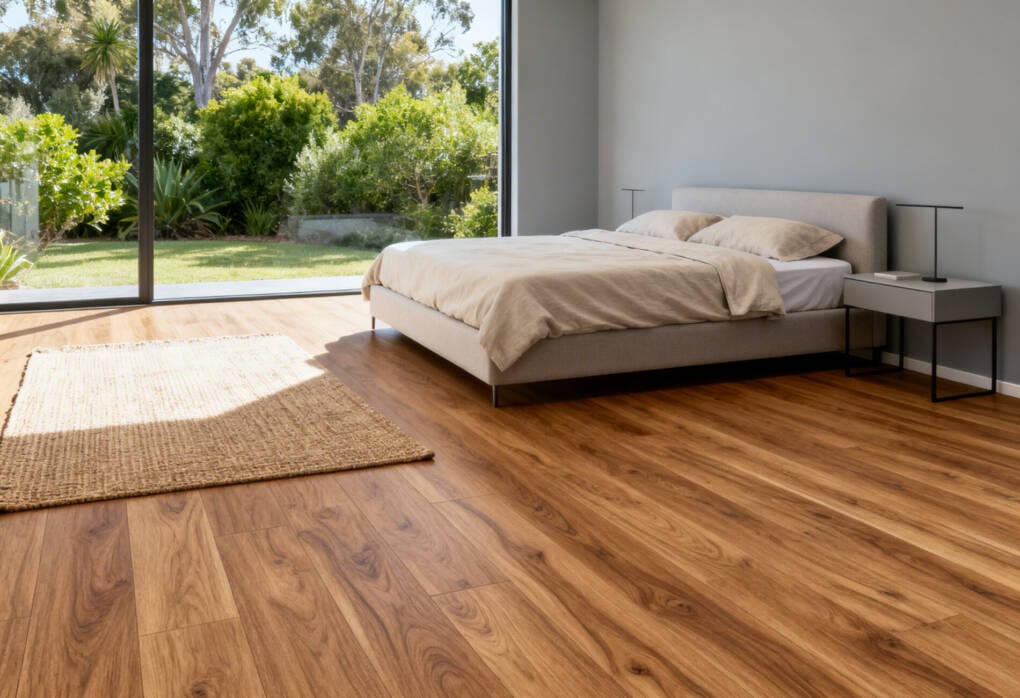
Laminate flooring is a popular option for homeowners who want the appearance of timber without the higher cost of natural wood or engineered boards. Designed as a floating floor system, laminate flooring boards use a layered construction that combines a decorative timber-look laminate surface with a rigid backing layer for stability.
Because of its affordability and simple installation, laminate flooring in Perth homes is often used in bedrooms, living areas and other dry spaces where moisture exposure is limited.
Some of the key advantages of laminate flooring include:
- Affordable timber-look flooring: Laminate offers the visual appeal of timber at a lower price point, making it a common choice for budget-friendly renovations.
- Quick installation: Most laminate flooring boards are installed using a click-lock floating floor system, which allows the planks to be fitted together without being fixed directly to the subfloor.
- Wide range of timber-look styles: Modern laminate products are available in many colours and finishes designed to replicate the look of natural timber flooring.
- However, laminate flooring also has some limitations to consider.
- Lower moisture resistance: Laminate flooring is generally less moisture-resistant than hybrid or tile flooring, which means it may not perform well in bathrooms, laundries, or other wet areas.
- Moderate wear resistance: While laminate products include a protective surface layer, the durability of the wear layer may vary between products, particularly in high-traffic areas.
Because of these limitations, many homeowners compare laminate flooring with newer flooring materials before making a decision. Our guide on Hybrid Flooring vs Laminate explains how laminate performs compared with modern hybrid flooring options.
Vinyl Flooring: Comfortable and Budget Friendly
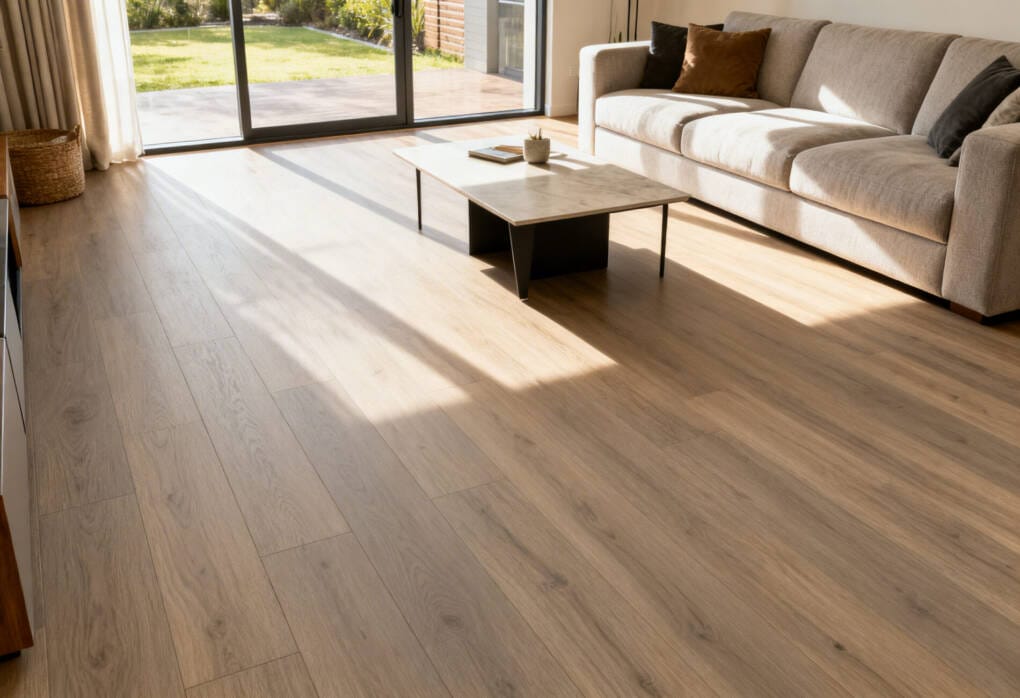
Vinyl flooring is a resilient flooring material known for its comfort and versatility. Modern vinyl products are typically available as vinyl plank flooring, which is designed to replicate the appearance of timber while providing a softer surface underfoot. Because of its affordability and simple installation, using vinyl flooring in Perth homes is sometimes a budget-driven choice.
Many modern products fall into the category of luxury vinyl flooring, which features improved design layers and surface textures to better replicate the look of natural timber flooring.
Some of the main advantages of vinyl flooring include:
- Soft and comfortable underfoot: Vinyl flooring has a slightly flexible structure, making it more comfortable to walk on than harder flooring materials like tiles.
- Moisture resistance: Vinyl plank flooring offers good moisture resistance, making it suitable for kitchens, living areas and other spaces where spills may occur.
- Affordable flooring option: Vinyl flooring is often chosen for its lower upfront cost, particularly in renovation projects where budget is a major factor.
- However, vinyl flooring also has some limitations to consider.
- Lower durability in high-traffic areas: Compared with hybrid flooring or tiles, vinyl surfaces can wear faster over time, particularly in busy households.
- Wear layer limitations: The long-term performance of vinyl flooring depends heavily on the thickness and quality of the flooring wear layer, which protects the decorative surface.
Because of these factors, many homeowners compare vinyl flooring with hybrid flooring before making a final decision. Our guide on Hybrid Flooring vs Vinyl explains the key differences between these two popular flooring options.
Timber Flooring: Natural Timber Appearance
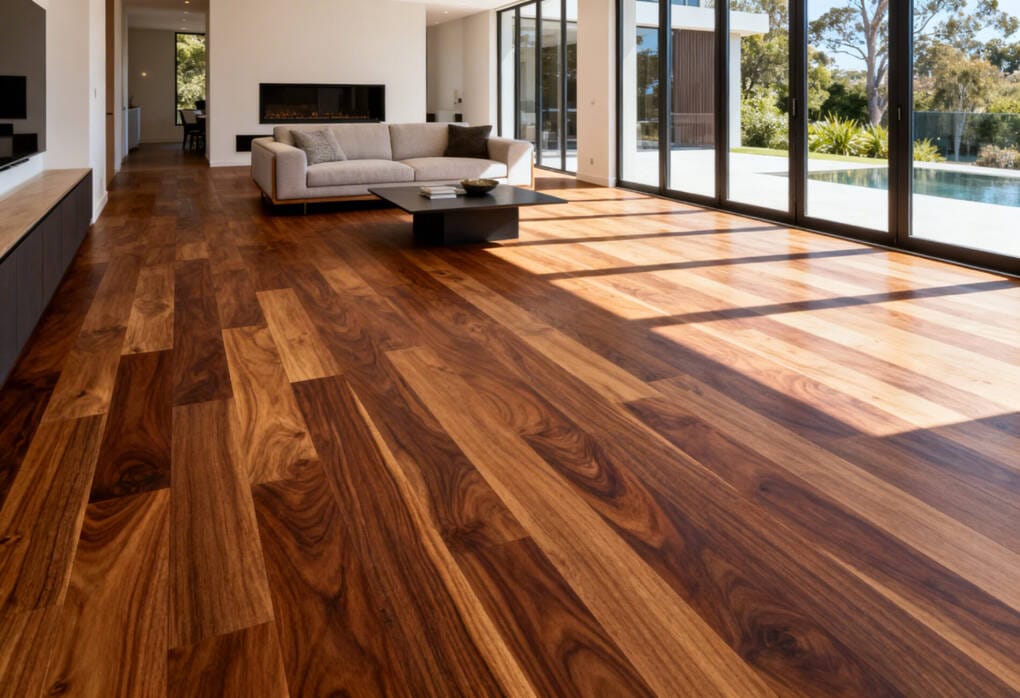
Timber flooring is often chosen for its natural warmth and character. Many homeowners like the authentic look of real wood, which can add a premium feel to living spaces. In modern renovations, this usually means engineered timber flooring, which uses a layered construction designed to improve stability compared with solid timber boards.
Engineered timber typically features a hardwood veneer flooring surface layer bonded to a stable core. This structure allows homeowners to enjoy the look of natural wood flooring while reducing some of the movement issues associated with traditional solid timber floors.
Some of the main advantages of timber flooring include:
- Natural timber appearance: Timber floors provide a genuine wood surface with natural grain patterns and colour variation that many homeowners find appealing.
- Premium aesthetic: Because it uses real wood, engineered timber flooring can create a high-end finish that suits many modern interior designs.
- However, timber flooring also comes with some considerations.
- Moisture sensitivity: Although engineered boards are more stable than solid timber, natural wood can still react to moisture and temperature changes.
- Higher material cost: Timber flooring is usually more expensive than laminate, hybrid flooring or tiles, which can make it less suitable for budget-focused renovations.
- Ongoing maintenance: Timber floor maintenance may include regular cleaning, protective finishes or occasional refinishing to keep the surface looking its best.
Because of these factors, many homeowners compare engineered timber flooring with other timber-look flooring options before making a final decision. Our guide on Floor Tiles vs Engineered Floorboards explains how tile flooring compares with engineered timber in terms of durability, maintenance and long-term performance.
Which Flooring Is Best for Each Room?
Choosing the right flooring often depends on how each room is used. Different areas of the home experience different levels of moisture, foot traffic and daily wear. When comparing flooring solutions in Perth homes, it helps to match the flooring material to the specific conditions of each space.
The table below outlines some of the most practical flooring options for common rooms in the home.
| Room | Recommended flooring | Why it works |
| Living rooms | Hybrid flooring or timber-look tiles | These areas often experience high-traffic flooring conditions. Hybrid flooring offers durability with a timber-look finish, while tiles provide long-term strength and low maintenance. |
| Kitchens | Hybrid flooring or tiles | Kitchen flooring needs strong moisture resistance and durability. Both options handle spills and daily use well. |
| Bathrooms | Tiles | Bathroom flooring must be fully waterproof. Tiles are the most reliable option in wet areas. |
| Bedrooms | Hybrid flooring or laminate | Bedrooms typically have lower traffic, making both options comfortable and cost-effective. |
| Laundry | Tiles or hybrid flooring | Laundry areas require good moisture resistance and easy-to-clean surfaces. |
When deciding what flooring is best for your renovation, it’s worth considering how each room will be used over time. Matching the flooring material to the conditions of each space can help improve durability and reduce long-term maintenance, and the same room-by-room approach works when choosing flooring for a Perth rental.
Hybrid Flooring vs Tiles: Two of the Most Practical Choices
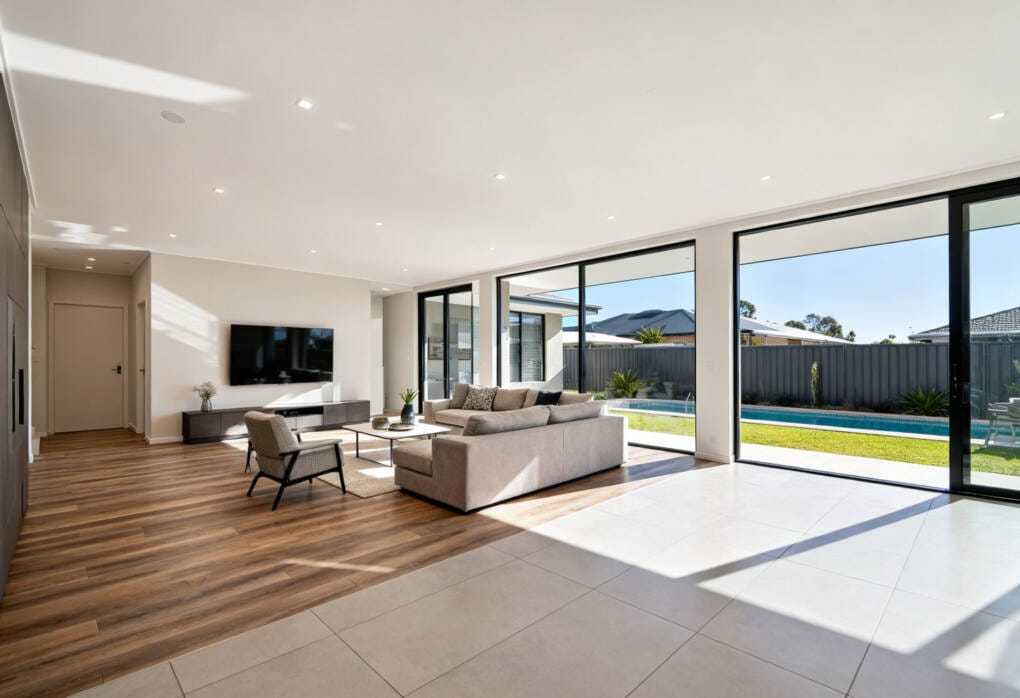
When comparing flooring materials for a renovation, hybrid flooring and tiles are often two of the most practical options. Both are considered durable hard surface flooring solutions that perform well in busy households and high-traffic areas.
While they share several advantages, there are also some differences in comfort, installation and long-term maintenance. The comparison below highlights how each flooring type performs across key factors.
| Feature | Hybrid flooring | Tile flooring |
| Durability | Highly durable with a protective wear layer designed to resist scratches and everyday wear. | Extremely durable and considered one of the longest-lasting flooring materials available. |
| Waterproof performance | Waterproof flooring construction suitable for kitchens, living areas and many other spaces. | Fully waterproof and ideal for wet areas such as bathrooms and laundries. |
| Maintenance | Easy to clean and considered a low-maintenance flooring option for busy homes. | Also low-maintenance flooring, though grout lines may occasionally require cleaning. |
| Comfort underfoot | Slightly softer and warmer underfoot due to its layered construction. | Harder surface but naturally cool, which some homeowners prefer in warmer climates. |
| Installation | Typically installed as a floating click-lock system, which can make installation faster. | Requires adhesive installation and professional tiling, which can increase labour time. |
| Cost | Generally mid-range pricing depending on the product quality and wear layer. | Wide price range depending on tile material and design. |
Both options offer strong durability and moisture resistance, making them ideal for many homes, and plenty of Perth renovators use both, with hybrid flooring in the bathroom dry zone and tiles in the shower. Hybrid flooring is often chosen for living areas and bedrooms where comfort and timber-look aesthetics are important. Tiles remain a popular choice for kitchens, bathrooms and high-traffic spaces where maximum durability and waterproof performance are priorities.
Ultimately, both materials provide reliable long-term flooring solutions, and the best choice will depend on the specific needs of each room and the overall renovation budget.
Where to Buy Flooring in Perth
Choosing the right flooring material is only part of the decision. Selecting a reliable flooring supplier is just as important, as product quality, warranty support and expert advice can all influence the success of your renovation.
When comparing flooring, it’s worth looking for suppliers that offer a combination of product knowledge, a wide range of flooring materials and clear guidance during the selection process. Visiting a flooring showroom can also make a big difference, as seeing flooring products in person helps homeowners compare colours, textures and finishes more accurately than viewing samples online.
Some of the key things to consider when choosing a flooring supplier include:
- Product quality
Look for flooring products that offer proven durability and reliable manufacturing standards, particularly for high-traffic areas of the home. - Warranty support
A reputable flooring retailer should offer clear product warranties and guidance on proper installation to help protect your investment. - Design advice
Experienced flooring suppliers can provide helpful flooring installation advice and design guidance, making it easier to choose materials that suit your home and lifestyle. - Showroom experience
Visiting a flooring showroom lets you see different flooring styles side by side and better understand how each material will look once installed.
Working with an established flooring retailer also helps ensure you have access to ongoing support throughout your renovation. Whether you’re comparing hybrid flooring, tiles or other residential flooring options, visiting a supplier that specialises in practical renovation flooring can make the selection process much easier.
At Ross’s Discount Home Centre, many homeowners choose to explore our range of hybrid flooring and floor tiles because these materials offer durable, low-maintenance solutions that suit a wide range of homes and renovation budgets.
Final Advice for Choosing Flooring in Perth
Choosing the right flooring is an important part of any home renovation. With so many materials available, it helps to focus on options that balance durability, maintenance and overall value. Flooring that performs well in Perth should be able to handle temperature changes, daily wear and the demands of busy households.
When planning a home flooring upgrade, it’s also important to consider long-term durability rather than focusing solely on upfront cost. Materials that offer strong moisture resistance, easy maintenance and reliable performance often deliver better value over time.
For many renovation projects, hybrid flooring and tiles remain two of the most practical flooring solutions. Both materials offer durability, low maintenance and versatility across different areas of the home, making them suitable for many modern renovation designs.
If you’re currently comparing flooring supplies Perth homeowners trust, it’s worth exploring our flooring range before making a final decision. At Ross’s Discount Home Centre, we offer hybrid flooring and floor tiles designed to suit different homes, styles and renovation budgets. Taking the time to compare materials carefully during your flooring renovation planning can help ensure you choose a flooring solution that will perform well for years to come.
