
How To Choose the Perfect Laundry Tub/Sink for Your Home
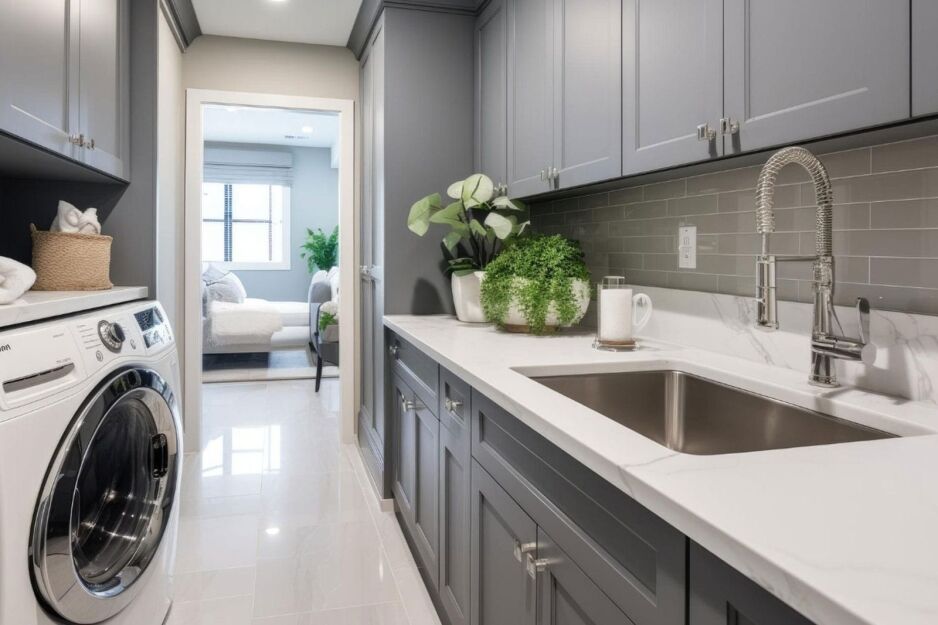
A laundry tub might seem like a small decision in a renovation, but choose the wrong one, and you’ll notice it every time you use it. A bowl that’s too shallow for soaking clothes, a sink that doesn’t fit your cabinet, or a tap that barely reaches the basin can make everyday jobs frustrating.
I’ve renovated enough laundries over the years to know that the biggest sink isn’t always the best choice. What matters is how you use the space, how much room you have, and whether the new tub works with your existing plumbing.
That’s what I want to help you get right in this laundry tub buying guide. I’ll cover sink types, materials, sizes and the little details that can make a big difference. Whether you’re replacing an old trough or planning a full laundry renovation, you’ll know what to check before you order.
Types of Laundry Tubs
Before choosing a laundry tub, compare the main types of laundry sinks and how they fit into your laundry. The two main arrangements are a separate sink fitted into a benchtop or cabinet, and a complete laundry unit with its own tub and cabinet. Both work well in the right space.
I always recommend looking at your existing cabinetry before settling on a sink style. Replacing an old tub is one thing. Planning an entirely new laundry gives you more freedom with the layout, storage and benchtop.
Stand-Alone Laundry Tubs (Laundry Sinks)

A stand-alone laundry tub is a separate sink fitted into a benchtop or suitable cabinet. It may be top-mounted or undermounted, depending on its design. It is different from a complete floor-standing laundry unit.
They’re a practical choice if you’re renovating with separate laundry cabinets and want control over the layout. You can position the sink alongside storage cupboards and drawers instead of choosing a complete sink-and-cabinet unit.
The term freestanding laundry sink can be confusing. Sometimes it means a floor-standing unit, not a separate inset bowl. Check the mounting details rather than relying on the name.
The two main mounting methods are top mount and undermount.
Top Mount Sinks (Drop-In Sinks)
A top mount laundry sink drops into a cut-out in the benchtop, with its rim resting on the surface.
For many existing laundry renovations, I’d consider this style first. It’s generally straightforward to accommodate in a suitable benchtop, and the visible rim helps cover the cut-out edge.
The trade-off is cleaning. Water and dirt can collect around the rim, so you’ll need to keep that area clean.
Undermount Sinks
An undermount laundry sink is secured beneath a suitable benchtop, leaving the bowl opening exposed without a raised rim.
I like this arrangement where the benchtop material and cabinetry can support it properly. You can wipe water directly from the bench into the bowl, and the uninterrupted surface gives the laundry a neat finish.
However, undermount sinks require suitable benchtop construction, accurate cutting and proper support. They’re generally easier to plan during a new renovation than retrofit into an existing benchtop.
Laundry Units With Integrated Tubs

An integrated laundry unit combines the sink and cabinet into one arrangement. It’s a practical option for replacing an older laundry trough without redesigning the entire room.
These units often provide enclosed storage beneath the bowl. However, the cabinet dimensions, plumbing positions and available storage will depend on the model.
Before choosing one, check whether the unit fits your existing space and waste position. A compact cabinet isn’t much use if the plumbing prevents it from fitting properly.
Once you’ve worked out which arrangement suits your laundry, you can compare our laundry sinks and troughs by format, bowl size and capacity.
Materials for Laundry Tubs & Sinks
The material you choose for your laundry tub affects how well it handles everyday use, how easy it is to clean and how it looks after a few years. Stainless steel is a popular choice, but enamel, composite and plastic laundry tubs all have their place.
I tend to favour materials that can handle a bit of rough treatment. A laundry sink might need to hold a soaking bucket one day and muddy gardening tools the next. Looks matter, but practicality comes first.
Stainless Steel Laundry Tubs
A stainless steel laundry tub is my first choice for most busy family laundries. Stainless steel handles regular washing, soaking and cleaning jobs well, and it doesn’t need much fuss to keep it looking good.
Some laundry sinks use 304-grade stainless steel. Check the material grade on the particular product rather than assuming every stainless tub is the same.
The main drawback is that stainless steel can show water spots and fine scratches over time. Water hitting an empty metal bowl can also be noisy, particularly if it lacks sound-deadening pads.
For everyday durability and straightforward cleaning, though, it’s hard to beat.
Porcelain-Enamelled Steel Laundry Tubs
An enamel laundry sink has a steel body covered with a smooth, glossy enamel finish. It’s a good option if you prefer a traditional look or want a white sink to match your cabinetry.
The smooth surface is relatively easy to wipe clean, but you do need to be careful with heavy items. A dropped tool or metal bucket can chip the enamel, exposing the steel beneath.
I’d be more inclined to choose enamel for a laundry used mainly for washing clothes rather than heavier household cleaning jobs.
Composite Laundry Tubs
Composite laundry tubs come in different material formulations and finishes. They can give you a different look from traditional stainless steel, particularly if you prefer a coloured or stone-look sink.
Some composites offer good resistance to everyday stains and scratches, but performance varies between products. Heat tolerance, cleaning requirements and repair options also depend on the material.
I’d check the product’s own care and installation information rather than assuming all composite sinks can handle the same heat or cleaning products.
Plastic (Polypropylene) Laundry Tubs
A plastic laundry tub can be a practical, affordable choice for a basic laundry or utility area. Polypropylene is lightweight, won’t rust and is generally easy to clean.
The trade-off is wear. Plastic surfaces can scratch, and some materials may be affected by high temperatures or unsuitable cleaning chemicals.
I wouldn’t automatically rule plastic out, especially for a budget renovation. Just make sure the tub is rated for the water temperatures and cleaning products you expect to use.
For most family laundries, I’d lean towards stainless steel. But the best material is the one that suits the jobs you actually do, your budget and the amount of maintenance you’re prepared to put in.
Sizes and Features of Laundry Tubs
What size laundry tub do you need? Choose one that fits the cabinet and benchtop, leaves room for the existing plumbing and has enough usable bowl depth for your regular jobs. Compare the sink’s outside dimensions, bowl depth and capacity in litres. A wide sink isn’t always a roomy one, and a deep bowl can reduce storage below.
I always check all three measurements before ordering. The advertised width alone is rarely enough to make the decision.
Choosing the Right Laundry Tub Size
Laundry sink sizes vary by model, mounting style and cabinet arrangement. There isn’t one standard laundry sink size that will fit every Australian home.
When comparing laundry tub sizes, pay attention to these measurements:
- External width: The overall measurement from one side of the sink to the other, including any rim.
- External depth: How far the sink extends from the back to the front of the benchtop.
- Bowl depth: The vertical space inside the sink, which affects how easily you can soak clothing or fill a bucket.
- Capacity: The amount of water the bowl can hold, usually measured in litres.
- Cut-out dimensions: The opening required in the benchtop, which may be smaller than the sink’s external measurements.
A standard laundry tub size isn’t necessarily right for your renovation. Even a replacement that looks similar may have a different rim, bowl shape or waste outlet.
How to Measure Your Cabinet, Benchtop and Existing Plumbing
Before ordering a new sink, grab a tape measure and check the space properly. I’ve found that measuring the existing tub alone can be misleading, especially if you’re planning to keep the cabinetry.
Here’s what I’d check:
- Measure the cabinet width. Check the internal space as well as the external cabinet dimensions. The new bowl needs enough clearance underneath.
- Measure the benchtop depth. Allow room around the sink for the required cut-out, mounting and tapware.
- Check the existing cut-out. If you’re keeping the benchtop, compare the opening with the new sink’s installation specifications.
- Locate the water and waste connections. Check where the waste pipe and tapware connections sit relative to the new bowl.
- Check underbench clearances. Look for shelves, cabinet supports and other obstructions that could interfere with the bowl or plumbing.
The advertised laundry sink dimensions won’t always tell you whether a replacement will fit. I’d compare the manufacturer’s installation drawing with your measurements before placing an order.
Capacity and Bowl Depth for Common Laundry Jobs
Laundry tub capacity is usually given in litres, but that doesn’t tell the whole story. Two bowls with similar capacities can have different widths and depths.
Think about what you actually use your laundry sink for.
| Laundry task | What I’d look for |
| Handwashing and soaking clothes | Enough bowl depth to submerge garments without water splashing everywhere |
| Filling buckets | A bowl and tap arrangement with enough clearance for the bucket |
| Washing muddy shoes or gardening tools | A durable material and a bowl that’s easy to reach into and clean |
| Washing small pets | Adequate bowl space, comfortable working height and a suitable tap arrangement |
| General household cleaning | Enough usable space without sacrificing too much benchtop |
For most family homes, I’d favour enough depth for soaking clothes and filling buckets over extra width that barely gets used. But a very deep bowl can be awkward to reach into and may cost you storage beneath the sink.
Essential Features to Consider
Once you’ve settled on the right size, there are a few features worth checking before you buy.
- Tap holes and mixer compatibility. Some laundry sinks have a tap hole built into the rim, while others need wall-mounted or benchtop tapware. Check the configuration and make sure the spout reaches comfortably into the bowl.
- Overflow. Some laundry tubs include an overflow opening, while others don’t. Check whether the sink has one and whether the waste fittings suit that configuration.
- Waste and plug. Confirm the waste outlet size, position and compatible fittings. If you’re replacing an existing sink, don’t assume the old waste assembly will suit the new one.
- Draining boards. A built-in draining board can be handy for handwashed clothing or wet cleaning items. Just remember that it takes up additional benchtop space.
- Removable baskets and accessories. Some tubs offer baskets, strainers or other inserts that make smaller washing jobs easier. Check which accessories are included and which are sold separately.
- Ease of cleaning. Look at the bowl corners, rim and surrounding surfaces. Smooth, accessible areas are generally easier to keep clean than tight joins where grime can collect.
My advice is to choose the features you’ll actually use. A well-sized laundry tub with compatible fittings will usually serve you better than a larger model with extras that take up space.
Installation and Replacement Checks
A new laundry tub might look like a straightforward swap, but the details can catch you out. Similar-sized sinks can have different waste positions, mounting requirements and clearances beneath the bench.
Check those details before you order, not after the old sink is out. It’s a lot easier than changing perfectly good cabinetry to suit a tub that doesn’t quite fit.
Replacing an Existing Laundry Tub
If you’re replacing an old laundry trough, the first thing I’d check is whether the new sink can use the existing space and plumbing arrangement.
The main things to look at are:
- Existing waste position: Check where the waste outlet sits and whether it lines up with the replacement sink.
- Water connections: Confirm that the existing plumbing arrangement is suitable for your chosen tapware.
- Benchtop cut-out: Compare the existing opening with the replacement sink’s installation specifications.
- Cabinet clearance: Check that the new bowl won’t interfere with shelves, supports or plumbing beneath it.
- Sink support: Make sure the cabinet and benchtop can accommodate the sink’s mounting requirements and weight.
I wouldn’t assume a replacement will fit just because the advertised dimensions look similar. Check the manufacturer’s installation drawing before making your decision.
Planning a New Benchtop and Cabinet Setup
If you’re renovating the entire laundry, you’ve got more freedom to position the sink where it works best.
I recommend choosing the laundry tub before finalising the cabinetry and benchtop. That way, your cabinet dimensions, benchtop cut-out and tapware position can all be planned around the actual sink.
Pay particular attention to underbench clearance and access to the plumbing. You’ll also want enough space behind and beside the sink for the required fittings and sealing.
You can take care of measuring and planning, but connecting or altering a laundry sink’s water supply or waste plumbing is licensed work in WA. The WA Government explains the limited plumbing tasks homeowners may do themselves. I’d speak with a licensed plumber before ordering, especially if you’re moving the sink or changing its tapware.
Design and Aesthetics of Laundry Tubs
Your laundry tub should work with the rest of the room, but I wouldn’t sacrifice practicality for a particular look. The sink, cabinetry and benchtop should work together without making everyday jobs harder.
Stainless steel can look just as good in a modern laundry as a white or coloured tub. I’d pay more attention to how the bowl fits, whether the surrounding surfaces are easy to wipe and how much usable bench space remains.
Matching Your Laundry Tub With Your Laundry Room Design
If you’ve got white cabinets and a light benchtop, stainless steel is an easy choice. It works with most tapware finishes and won’t compete with the rest of the room. A white enamel sink can also work nicely if you prefer a more traditional look.
For darker cabinetry or a modern laundry, a composite sink might be worth considering, provided the material suits your cleaning habits and budget.
I prefer to keep the design simple. Bench space beside the tub gives you somewhere to put a washing basket or sort out wet clothes, which I’d choose over an oversized bowl in most laundries.
If you’re looking for more inspiration, our guide to laundry room and sink design trends covers different styles and ways to bring the room together.
Laundry Tub FAQs
Choosing a laundry tub often raises a few questions, particularly if you’re replacing an older sink or working with existing cabinetry. Here are the answers to some of the things I’d recommend checking before making your decision.
Choosing the Right Tub for Your Laundry
The right laundry tub fits your space, handles the jobs you actually do and works with your cabinetry and plumbing. Before you decide, look at bowl depth and capacity, the material, and what fitting it will involve. Those three checks tell you more than a photo of a nice laundry ever will.
Having renovated my own properties, I’ve learnt that practical choices usually pay off. I’d rather have a durable sink with enough depth for soaking clothes and room beside it for a washing basket than a larger tub that leaves me struggling for bench space.
If you’re still weighing up your laundry sink options, come and see us at our Guildford showroom. We can help you compare sink formats and dimensions so you know what to discuss with your plumber before ordering.
