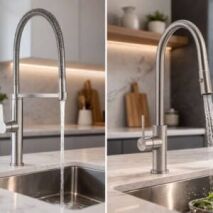
Wall Tapware: Should You Use It In Your Kitchen, Bathroom Or Laundry?

Close-up of modern chrome wall tapware installed above twin sinks in a bathroom

Wall tapware can look clean and practical, but it is not the right choice for every kitchen, bathroom or laundry. Before you choose taps on the wall, you need to think about plumbing access, spout reach, sink depth, splashback height and how you use the space every day.

I see this a lot with Perth renovations. A customer will come in loving the look of wall-mounted taps, then realise the real decision is not just the finish or style. It is whether the tap will land water in the right spot, suit the basin, sink or trough, and still be easy to use once the room is finished.

That is why this guide is not about pushing one tapware type over another. I’ll compare wall taps with basin mixers, kitchen mixers, laundry mixers, three-piece tapware and freestanding bath mixers, so you can choose the option that suits your room, budget and layout.

What Is Wall Tapware?

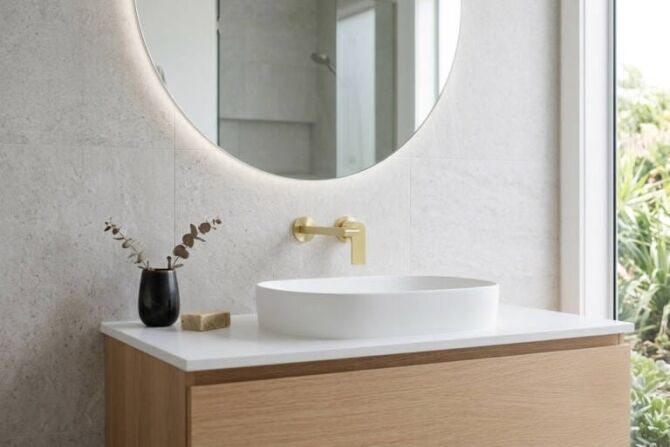
Modern bathroom vanity with wall tapware and minimalist basin for a sleek, floating appearance

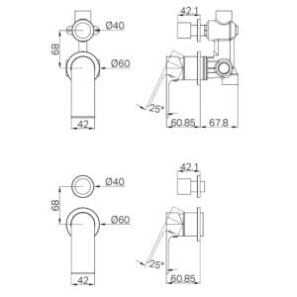
Wall tapware is tapware installed through the wall rather than through a benchtop, basin, sink or bath hob. The plumbing sits inside the wall cavity, while the spout and handles, or mixer, sit on the finished wall surface.

You might hear people call them wall taps, wall-mounted taps, taps on the wall or taps from the wall. They all describe the same general setup. The water supply is concealed behind the wall, and the visible tapware projects out over a basin, bath, kitchen sink or laundry trough.

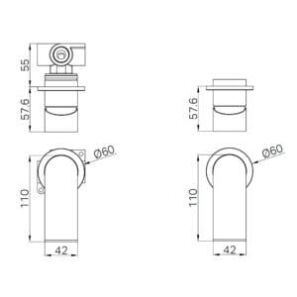
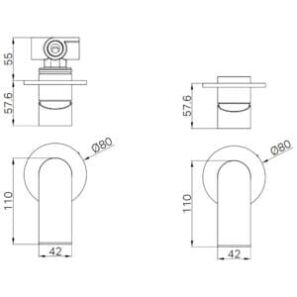
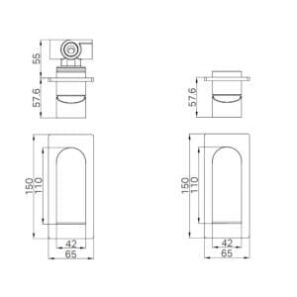
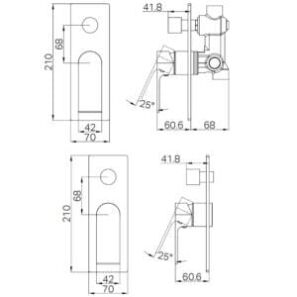
Wall tapware usually comes in a few main forms. A wall mixer has one lever to control temperature and flow. A wall tap set has separate hot and cold handles with a spout. Some designs use a shared backplate, while others use separate wall plates for the mixer and outlet.

The main benefit is a cleaner bench, sink or vanity surface. There are fewer fittings to clean around, and the tapware can work well with above counter basins, tiled splashbacks, inset kitchen sinks and laundry troughs. The trade-off is planning. Wall-mounted tapware must be set at the right height and reach before the wall finish goes on, so it is not a decision to leave until the end.

Bathroom Wall Tapware Vs Other Tapware Options

Wall tapware can work very well in bathrooms, especially above counter basins and back-to-wall baths. It keeps the vanity top or bath edge clearer and gives the room a cleaner finish. But it also needs more planning than a standard basin mixer tap or three-piece tapware set.

The main thing I always tell customers is to choose the basin, bath and tapware together. If the spout is too short, too long, too high or too low, the finished bathroom can be frustrating to use. Wall tapware is a great choice when the plumbing, tiling and fixture layout all line up. If you are working with existing holes, existing plumbing or a tight budget, a deck-mounted option may be the easier path.

Wall Basin Tapware: Wall Taps Vs Basin Mixers Vs Three-Piece Tapware

Matte black wall basin tapware with single mixer above a modern above-counter basin

Wall basin tapware is popular with above counter basins because it keeps the vanity top clear. This can make the bathroom easier to wipe down and can also give you more usable bench space around the basin.

The planning matters more than the look. The wall spout needs to reach far enough over the basin so the water lands near the waste, not hard against the back of the bowl. The tap height also needs to suit the basin height, especially with taller above counter basins. Once the wall is tiled, changing that position is not simple.

FeatureWall Basin TapsBasin Mixer TapsThree-Piece Tapware
Best UseAbove counter basins and planned bathroom layoutsSmall vanities, existing plumbing and simple upgradesOlder vanities, classic bathrooms and existing three-hole setups
InstallationNeeds in-wall plumbing before tilingDeck-mounted through the vanity or basinDeck-mounted through three holes
Ease Of UseDepends on mixer or separate hot and cold handlesOne handle controls flow and temperatureSeparate hot and cold handles
CleaningClear vanity top with fewer fittings around the basinSimple to clean around one fittingMore fittings to clean around
Planning NeededHigh, because height and reach must be right earlyLow to moderateModerate if replacing an existing set
Best FitRenovations where plumbing and tiling are still being plannedFaster updates and smaller bathroomsTraditional styles or like-for-like replacements

Wall Basin Tapware

Wall basin tapware is a strong choice if you are planning the bathroom from the start. It works especially well with above counter basins because the spout comes out from the wall and leaves the vanity top free.

The key is getting the set-out right before tiling. Check the basin height, the spout projection and where the water will land. I have seen plenty of customers focus on the finish first, then come back to the practical side once we start talking through basin height and splashback depth. The finish can wait. The set-out cannot.

Basin Mixer Taps

A basin mixer tap is usually the simpler option if you are working with an existing vanity, existing plumbing or a smaller bathroom. It mounts through the vanity top or basin, so it does not need the same wall preparation as wall tapware.

Basin mixers also suit quick bathroom updates because they are easier to replace later. If the vanity already has one tap hole, a mixer often keeps the project simpler and more cost-effective. You can still get a clean modern look without moving plumbing into the wall.

Three-Piece Tapware

Three-piece tapware suits bathrooms where the vanity already has three tap holes, or where the room has a more traditional feel. It gives you a separate spout with hot and cold handles, which some homeowners still prefer.

It is not as clean around the basin as a wall-mounted setup, and it takes more wiping around the fittings. But it can be the right choice if you want to avoid changing the vanity top or altering plumbing. In some older bathrooms, keeping the existing setup can save time and money.

My take: choose wall basin tapware if you are planning the bathroom early and want a clear vanity top. Choose a basin mixer if you want the easier upgrade. Choose three-piece tapware if your existing vanity layout already suits it.

Wall Bath Tapware: Wall Taps Vs Freestanding Bath Mixers

Bath tapware comes down to bath position first. If the bath runs along a tiled wall, wall bath taps are often the most practical choice. If the bath sits away from the wall, a freestanding bath mixer may make more sense.

Wall bath tapware suits back-to-wall baths, inset baths and alcove baths because the plumbing can sit inside the wall. It keeps fittings off the floor, saves space around the bath and is usually easier to clean around. The main thing to check is spout projection. The spout must reach comfortably over the bath edge so water flows into the bath without splashing against the rim.

Freestanding bath mixers suit bathrooms where the bath is positioned away from the wall. They can look impressive, but they need floor plumbing and more clear space around the bath. They are also less forgiving in a retrofit because the plumbing location has to suit the exact bath position.

FeatureWall Bath TapsFreestanding Bath Mixers
Best UseBack-to-wall, inset and alcove bathsFreestanding baths away from walls
Installation LocationMounted through the tiled wallMounted through the floor
Plumbing RequirementsIn-wall plumbingFloor plumbing
Space NeededLower, because fittings stay on the wallHigher, because the mixer needs room beside the bath
CleaningEasier to clean around the bath areaMore cleaning around the floor-mounted base
Planning NeededSpout projection and wall set-outBath position, floor plumbing and access
Best FitPractical bathroom renovationsLarger bathrooms with open floor space

For most Perth bathroom renovations, I would start with the bath position before choosing the tapware. If the bath is against a wall, bath tapware mounted through the wall is usually the cleaner and more practical choice. If the bath is freestanding and away from the wall, then a freestanding mixer is the better match.

Kitchen Wall Tapware: When It Works And When A Mixer Is Better

Traditional kitchen wall tapware with chrome and ceramic handles installed above a farmhouse sink

Kitchen wall tapware can look great, but the kitchen is usually the least forgiving room if the tap does not function well. A kitchen tap gets used all day. It needs to suit washing up, rinsing trays, filling pots, cleaning the sink and working around the benchtop.

This is why I treat kitchen wall taps as a planning decision first and a style decision second. They can work beautifully with the right sink and splashback layout. But if you want a pull-out spray, wide swivel range or an easy retrofit, a kitchen mixer may be the better choice.

FeatureKitchen Wall TapsKitchen MixerThree-Piece Kitchen Tapware
Best UsePlanned kitchens with tiled splashbacks and deep sinksMost modern kitchen renovations and upgradesOlder kitchens with existing three-hole layouts
InstallationNeeds in-wall plumbing before the splashback is finishedDeck-mounted through the sink or benchtopDeck-mounted through three holes
FlexibilityDepends on spout type and reachHigh, especially with swivel or pull-out designsLower, with separate hot and cold controls
CleaningKeeps the benchtop clearerEasy to clean around one fittingMore fittings to clean around
Sink CompatibilityWorks well with deep inset, ceramic and butler-style sinksWorks with most sinks and benchtopsBest for like-for-like replacements
Planning NeededHigh, especially for spout reach and splashback set-outLow to moderateModerate if replacing an existing set
Best FitNew kitchens or major renovationsPractical family kitchens and faster updatesHeritage-style kitchens or older layouts

Kitchen Wall Taps Work Best With Planned Sink And Splashback Layouts

Kitchen wall taps work best when the sink, benchtop, splashback and plumbing are planned together. They can suit deep inset sinks, ceramic sinks and butler-style sinks because the spout can be positioned from the wall rather than through the benchtop.

They can also make the bench easier to wipe down. With no tap base sitting behind the sink, there is less grime to collect around the fitting. This is a real advantage in kitchens where water and food scraps always seem to end up behind the tap.

The trade-off is timing. Wall-mounted kitchen taps need the plumbing set into the wall before the splashback is finished. If you are using tiles, stone-look panels or another splashback finish, the tap set-out needs to be right before that surface goes on.

Window-facing kitchens need extra care. A wall tap can work if there is enough wall or splashback space behind the sink. But if the window drops too low, or there is no easy wall cavity access, a deck-mounted kitchen mixer will usually be simpler.

Check Spout Reach Before You Choose The Tap

Spout reach is one of the biggest mistakes to avoid with kitchen wall taps. The water needs to land in the right part of the sink bowl. Too short, and the water hits near the back of the sink. Too long, and it can splash too far forward.

I always suggest checking this with the actual sink or sink measurements, not just the tapware photo. A deep sink can handle a different spout position from a shallow sink. A double bowl sink may also need more movement than a fixed wall spout can give.

Think about how you use the kitchen. If you rinse baking trays, wash large pots or fill bottles in the sink, the tap needs enough clearance. A wall-mounted spout may look clean, but it still needs to do the everyday jobs without getting in the way.

Choose A Kitchen Mixer If You Want More Flexibility

A kitchen mixer is still the most practical choice for many homes. It gives you simple one-hand control, suits most sink and benchtop layouts, and is usually easier to replace later.

Kitchen mixers also give you more options if you want extra movement. Pull-out mixers are useful for rinsing trays, cleaning the sink and filling larger pots. Swivel mixers are also handy for double bowl sinks because you can move the water where you need it.

I have had plenty of customers come in set on wall kitchen taps because they like the clean look. Once we talk through how they cook, clean and wash up, some decide a pull-out kitchen mixer will serve them better. That is not a step down. It is choosing the tapware that suits how the kitchen will actually be used.

Three-Piece Kitchen Tapware

Three-piece kitchen tapware is less common in new kitchens, but it still has a place. It can suit older homes, traditional kitchens or a like-for-like replacement where the sink or benchtop already has three holes.

The main drawback is practicality. Separate hot and cold handles mean more movement each time you use the tap, and there are more fittings to clean around. But if you are keeping an existing layout and want to avoid changing the benchtop, a three-piece set can still make sense.

My take: choose kitchen wall tapware if you are planning early, have the right splashback space and want a clear benchtop. Choose a kitchen mixer if you want easier installation, pull-out function or more everyday flexibility. Choose three-piece tapware only when the existing kitchen layout already suits it.

Laundry Wall Tapware: Why Spout Reach Matters Most

Modern laundry with matte black wall tapware above utility sink, styled with fresh towels and flowers

Laundry wall tapware needs to be judged differently from bathroom or kitchen tapware. A laundry tap is there for hard-working jobs. You might use it for soaking clothes, filling a mop bucket, rinsing paint brushes, washing pet bowls or cleaning muddy shoes.

That is why spout reach matters so much. A wall-mounted laundry tap can look neat and keep the trough area clear, but it still needs to reach the right part of the trough. If it does not swivel or clear a bucket properly, it can become frustrating very quickly.

FeatureLaundry Wall TapsLaundry Mixer TapThree-Piece Laundry Tapware
Best UseTroughs with tiled splashbacks or existing wall plumbingBenchtop laundries, laundry cabinets and practical utility spacesOlder laundries with existing three-hole setups
InstallationNeeds in-wall plumbingDeck-mounted through the trough or benchtopDeck-mounted through three holes
FlexibilityGood if the spout swivelsHigh, especially with swivel or pull-out designsLower, with fixed spout and separate controls
Bucket FillingDepends on spout height and reachUsually easier with a high-arc or swivel mixerDepends on spout clearance
CleaningKeeps fittings off the trough deckEasy to wipe around one fittingMore fittings to clean around
Planning NeededHigh, especially for spout positionLow to moderateModerate if replacing an existing set
Best FitExisting wall-fed laundries or planned tiled splashbacksModern laundries with cabinetry and benchtopsLike-for-like replacements in older laundries

Wall Mounted Laundry Taps Can Work Well With Troughs

Wall mounted laundry taps can work well with ceramic troughs, stainless steel troughs and laundries with tiled splashbacks. They keep the deck of the trough clear, which makes the area easier to wipe down after messy jobs.

They also suit some older laundries where the plumbing already comes through the wall. In that situation, keeping wall taps may be simpler than changing the whole layout. But I would still check the spout style before choosing a replacement. An old wall tap position does not always suit a new trough.

If you are planning a new laundry cabinet run with a benchtop, wall tapware needs more thought. The trough, cabinet depth, splashback and plumbing all need to line up. If they do not, a deck-mounted laundry mixer may be the cleaner option.

Also plan your washing machine taps separately from the trough tapware. They need to sit where the machine hoses can reach without being stretched, kinked or hard to access. I would rather see those connections planned early than hidden awkwardly behind the appliance later.

A Swivel Spout Is The Key Laundry Feature

A swivel spout is usually the feature I look for first in laundry wall tapware. The laundry is not just for handwashing. It is where people rinse, soak, fill, scrub and clean things that do not fit neatly under a fixed spout.

A fixed wall spout can work over a small trough, but it gives you less range. If the water only lands in one spot, it can be harder to rinse the sides of the trough or fill a bucket without awkward angles. A swivel spout gives you more control without changing the wall-mounted setup.

I have seen customers choose laundry taps by finish first, then change their mind once we talk through how they use the room. If you regularly fill mop buckets, soak sports gear or rinse larger items, spout reach and movement should come before colour.

Laundry Mixers Are Better For Benchtop Laundries

Laundry mixer taps are often the better choice for modern laundries with cabinets and benchtops. They mount through the trough or benchtop, so they suit layouts where the sink is part of a longer cabinet run.

They also give you more practical options. A high-arc mixer can create more clearance over the trough. A pull-out laundry mixer can help with rinsing, cleaning and filling awkward items. For families, rentals and busy laundries, that extra movement can matter more than the clean look of wall-mounted tapware.

Laundry mixers are also easier to replace later in many setups. If the plumbing is already under the sink or cabinet, keeping the tap on the deck can reduce the amount of wall work needed during a refresh.

Three-Piece Laundry Tapware

Three-piece laundry tapware can still make sense in older laundries, especially when you are replacing an existing set and want to keep the same holes. It gives you separate hot and cold controls with a central spout.

The downside is flexibility. Most three-piece sets do not give you the same reach or movement as a mixer. There are also more fittings to clean around, which is worth thinking about in a room that often handles dirtier jobs.

My take: choose laundry wall tapware if your plumbing and trough layout suit it, but make sure the spout swivels and clears the jobs you do most. Choose a laundry mixer if you want more reach, more movement and an easier fit with cabinets and benchtops.

Frequently Asked Questions

Are Wall Taps Better Than Mixer Taps?

Wall taps are better than mixer taps in some planned layouts, but mixer taps are usually easier to install, use and replace. Wall taps work well when you want a clear benchtop, vanity top or trough deck. Mixers are often more practical when you want simple one-hand control, pull-out function or an easier retrofit.

Can You Use Wall Mounted Taps In A Kitchen?

Wall mounted taps can work well in a kitchen if the sink, splashback and plumbing are planned early. Kitchen wall taps suit deep sinks, tiled splashbacks and some butler-style sink layouts. A kitchen mixer is usually better if you want pull-out spray function, wide swivel movement or an easier replacement later.

Are Wall Mounted Laundry Taps Practical?

Wall mounted laundry taps are practical when the spout swivels and reaches the right part of the trough. A laundry wall tap needs to suit bucket filling, soaking and rinsing, not just look neat. For benchtop laundries or cabinet runs, a laundry mixer may give you better reach and easier day-to-day use.

Do Wall Taps Cost More To Install?

Wall taps can cost more to install because the plumbing sits inside the wall and must be set before tiling or splashbacks are finished. The extra cost depends on wall access, plumbing changes and the stage of the renovation. Deck-mounted mixers are often simpler when you are working with existing holes or plumbing.

What Should I Check Before Choosing Wall Tapware?

You should check spout reach, mounting height, wall access, sink or basin depth and water landing point before choosing wall tapware. These details matter more than finish because they affect how the tap works after installation. In kitchens and laundries, also check whether you need swivel movement or pull-out function.

So, Should You Choose Wall Tapware?

Wall tapware is a smart choice when the room is being planned early and the layout suits it. It works best when the plumbing, wall finish, spout height and fixture position are all locked in before installation. That makes it a strong option for above counter basins, back-to-wall baths, tiled splashbacks, deep kitchen sinks and some laundry troughs.

I would be more cautious if you are doing a quick update, working with existing holes or want more movement from the tap. In those cases, a basin mixer, kitchen mixer or laundry mixer may be easier to live with and easier to replace later.

My advice is simple. Choose wall tapware for the right layout, not just the look. Check the spout reach, check the wall access, and think about how the room will be used every day. For the bathroom, kitchen or laundry, that practical check will usually make the decision clear.

You can compare wall taps and mixers at Ross’s in Guildford, or order online with Perth Metro delivery available.