
The Best Subway Tile Patterns: 10 Layout Ideas for Any Room
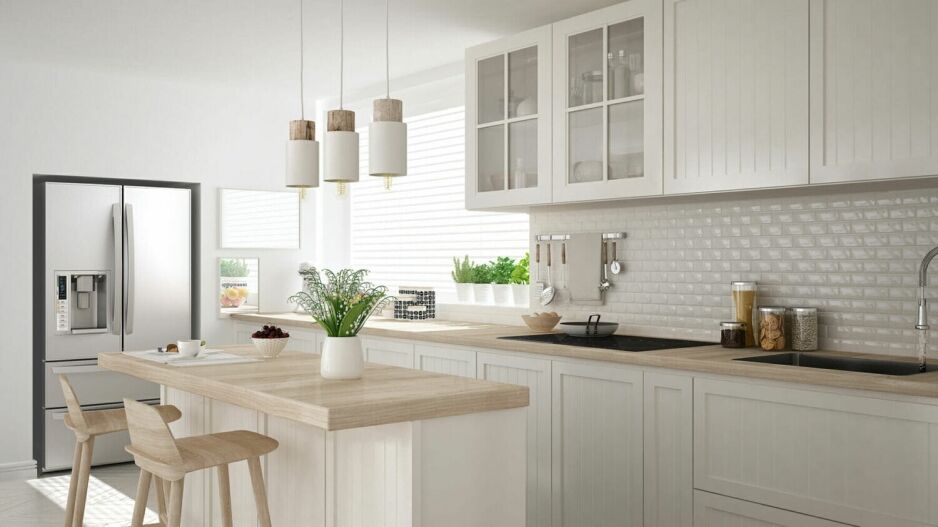
The same rectangular tile can look completely different depending on how it is laid. Subway tile patterns can create a familiar brick effect, a clean grid, a stronger vertical line or a more decorative finish. The best choice depends on the wall size, tile proportions, grout lines and how much of the pattern will remain visible around cabinets, mirrors and fittings.
I saw this clearly while renovating the kitchen in one of my investment properties. The splashback was fairly low and wide, so I chose a vertical stack rather than a horizontal layout. The upright lines gave the wall a stronger sense of height, while the low-contrast grout kept the result controlled.
This guide compares ten layouts for kitchens, bathrooms and laundries. Several of these patterns can also be rotated or reversed, creating further variations without changing the basic tile arrangement. I’ll explain how each pattern works, the visual effect it can create, where it may suit and which layouts can involve more alignment, cuts or planning.
Subway Tile Patterns at a Glance
The best subway tile patterns include classic offset, horizontal stack, vertical stack, herringbone, double herringbone, vertical running bond, diagonal offset, crosshatch, stepladder and chevron. Each layout changes the direction and rhythm of the grout lines, so the right choice depends on the wall, tile proportions and level of detail you want.

| Pattern | Visual Effect | Relative Installation Difficulty | Common Applications |
| Classic offset or brick bond | Familiar, balanced and horizontal | Lower | Kitchen splashbacks, bathroom walls and laundries |
| Horizontal stack | Clean, structured and grid-like | Moderate | Modern splashbacks and vanity walls |
| Vertical stack | Upright and height-focused | Moderate | Compact kitchens, showers and laundries |
| Standard herringbone | Decorative movement with a zigzag | Higher | Feature splashbacks, shower walls and vanity areas |
| Double herringbone | Heavier rhythm with a larger repeat | Higher | Feature walls and wider splashbacks |
| Vertical running bond | Staggered movement with an upright direction | Moderate to higher | Narrow walls, showers and splashbacks |
| Diagonal offset | Strong movement across the wall | Higher | Feature areas with fewer interruptions |
| Crosshatch or basketweave | Geometric and block-like | Higher | Small focal areas and feature walls |
| Stepladder | Structured movement with a stepped repeat | Higher | Decorative splashbacks and feature sections |
| Chevron | Continuous V-shaped lines | Higher | Statement walls and planned splashbacks |
These subway tile pattern ideas are a starting point rather than a fixed answer. Tile dimensions, wall width, power points, corners, grout contrast and the chosen focal point all affect how clearly a pattern reads. A layout that looks simple in a diagram can still need careful planning on the actual wall.
10 Subway Tile Layout Ideas
Each layout needs to be judged on more than appearance. I look at how the tiles repeat, where the cuts will fall, how much wall remains visible and whether the grout lines support or overpower the room.
Classic Offset or Brick Bond
Classic offset, also called brick bond or running bond, uses a staggered repeat. Each tile usually starts halfway along the tile below, creating a 50 per cent offset.
The horizontal joints create a familiar, balanced look across kitchen splashbacks, bathroom walls and laundry splashbacks. The repeat is simple, but a planned centreline still helps avoid narrow end cuts.
I often recommend offset when the tile already has strong colour, texture or surface variation. The layout lets the tile do the visual work without adding another design layer.
Horizontal Stack
Horizontal stack places every tile directly above the one below, forming straight rows and columns. It creates a clean grid that often suits modern kitchens, vanity walls and laundries.
The pattern is easy to understand, but continuous grout lines expose poor alignment. Matching grout softens the grid, while contrasting grout makes every line more noticeable.
Check where the rows meet benchtops, cabinets, mirror edges and power points before confirming the set-out.
Vertical Stack
Vertical stack turns the tiles upright and aligns them in straight columns. The layout creates a stronger upward direction without adding a complicated repeat.
This vertical subway tile pattern can work across kitchens, bathrooms and laundries, especially where a low, wide wall needs a stronger vertical counterpoint. Precise alignment remains important because any variation in the upright joints is easy to see.
Standard Herringbone
Standard herringbone uses rectangular tiles that meet at right angles to form a repeating zigzag. It suits feature splashbacks, shower walls and vanity walls where the pattern has enough room to read clearly.
Set-out and perimeter cuts make herringbone more demanding than straight layouts. Test the pattern against the actual wall dimensions because power points, niches and cabinet edges can break up the repeat.
You can also rotate the herringbone layout so the main direction runs vertically. Vertical herringbone keeps the same right-angle tile arrangement but changes how the zigzag travels across the wall. It can suit a tall shower wall or another area where you want the pattern to lead the eye upward.
Double Herringbone
Double herringbone pairs two tiles before repeating the herringbone arrangement. The grouped tiles create a larger repeat and a heavier visual rhythm.
It works best on a wider splashback or feature wall with enough uninterrupted surface. Low-contrast grout can keep the movement visible without making every paired joint compete for attention.
Vertical Running Bond
Vertical running bond turns the staggered structure of brick bond upright. It combines an offset repeat with a stronger vertical direction.
This layout can suit narrow wall sections, shower walls and splashbacks where vertical stack feels too rigid. Compare the tile length with the available wall height so the repeat remains clear after the top and bottom rows are cut.
Diagonal Offset
Diagonal offset rotates a running-bond layout across the wall. It creates strong movement and works best on a planned focal area with fewer interruptions.
Perimeter cuts increase because the tiles meet each wall edge at an angle. I would use it selectively rather than assume it will suit every full wall. It should not be chosen on the promise that it will make a compact room look larger.
Crosshatch or Basketweave
Crosshatch or basketweave layouts alternate small groups of horizontal and vertical tiles to create a woven, block-like effect.
The tile proportions must work as a grouped unit, and the repeat needs enough visible wall to remain legible. Use one final pattern name consistently after the diagram has been checked.
Stepladder

The stepladder pattern arranges rectangular tiles in a repeating stepped sequence. It creates structured movement without forming the continuous V associated with chevron.
It suits decorative splashbacks and feature walls where the repeat has space to develop. The diagram and heading must use the same verified name because this pattern is sometimes confused with straight herringbone.
Chevron
Chevron forms continuous V-shaped lines with angled tile ends meeting point to point. True chevron normally uses purpose-made angled tiles or carefully cut ends.
The centreline and perimeter cuts need careful planning. Chevron can work on a feature splashback, shower wall or vanity area, but the extra cutting and alignment can increase labour and wastage.
Which Patterns Work Best in Small Spaces?
A subway tile layout can influence how your eye moves through a compact room, but no pattern can guarantee the space will look bigger. Wall dimensions, natural light, fixtures and tile proportions all affect the result.
Vertical layouts can strengthen the sense of height, while horizontal lines can support a wider visual direction. These effects are often subtle where cabinets, mirrors or fittings interrupt the pattern.
Grout contrast also changes how busy the wall feels. A close grout colour creates a calmer surface, while strong contrast makes every joint more visible. Our guide to choosing the right grout colour explains how this choice changes the pattern.
Longer subway tile proportions can reduce the number of grout lines across a compact wall. For bathroom-specific advice on finishes, grout care and suitability, read our guide to white subway tiles in bathrooms.
How to Choose a Pattern for a Kitchen, Bathroom or Laundry
The room changes how much of the pattern you can see. A wide kitchen splashback, a full-height shower wall and a shallow laundry splashback all break up the layout differently. Tile suitability must also follow the product specification, especially in wet areas.
Kitchen Splashbacks
Kitchen splashbacks are often interrupted by power points, windows, cabinets and appliance spaces. These fixed points can break a large repeat and leave awkward cuts.
I once helped a customer who wanted herringbone across a compact splashback with several power points. Once we mapped the wall, the pattern would have been broken into small sections. I suggested offset across the full splashback and herringbone only in a smaller focal area. The result was clearer and better suited to the wall.
Bathroom Walls
Bathroom walls can offer more uninterrupted surface, especially in a shower. The same layout may look calm across a full-height wall but much busier behind a vanity with a mirror, tapware and fittings.
Check the tile specification for wall and wet-area suitability. Our guide to choosing the right tile size explains how tile dimensions affect the finished look.
Laundry Splashbacks
Laundry splashbacks are often shallow and broken up by taps, cabinets and appliance edges. Simple layouts usually remain clearer because the repeat is easier to read.
A decorative pattern can still work if enough uninterrupted wall remains. Judge it against the actual wall rather than a small sample board.
Are Subway Tiles Still in Style?
Subway tiles are still in style because the final look changes with the tile dimensions, colour, finish, grout and layout. A white offset pattern can feel traditional, while vertical stack or herringbone can produce a more current result.
The history of subway tiles is tied to New York’s early subway stations, where tile formed part of the station architecture. The New York Transit Museum records that the city’s first underground rapid transit network opened on 27 October 1904 with 28 stations.
I do not think the tile shape alone makes a room feel dated. Problems usually come from a proportion, grout colour or pattern that fights with the rest of the room. No finish suits every home forever, but the rectangular format remains flexible.
What to Confirm Before Tiles Are Laid
A pattern can look right on a sample board and fail on the actual wall. Before adhesive is applied, check the full layout around corners, niches, power points and the finished bench height.
Use a dry layout or clear set-out plan to confirm the visual centreline and end cuts. Balanced cuts usually look better than a full tile at one side and a narrow sliver at the other.
Grout width also changes the pattern. Wider joints make each tile more distinct, while narrower joints can create a quieter surface. The planned width must suit the tile and installation guidance.
Herringbone, diagonal and chevron can require more cuts, labour and wastage than offset or stack. The exact difference depends on the wall, tile dimensions, interruptions and installer rates.
I recommend discussing the starting point, centreline, corners and end cuts with the installer before work begins. Our guide to tiling mistakes to avoid covers other planning errors that can affect the result.
Frequently Asked Questions About Subway Tile Patterns
These answers cover the questions I hear most often about pattern difficulty, visual effects, room suitability and installation cost.
Which Subway Tile Pattern Should You Choose?
Choose the subway tile pattern that matches the wall, room and level of detail you want. Classic offset gives a familiar result. Horizontal or vertical stack creates a cleaner grid. Vertical stack and vertical running bond strengthen the upward direction, while herringbone, double herringbone, stepladder and chevron make the pattern a stronger feature.
Before confirming the layout, check the actual wall dimensions, power points, corners, niches and tile specification. I also recommend viewing the pattern at a scale that reflects the finished wall.
You can compare our current subway tile range online or visit our Guildford showroom. Bring your wall measurements so we can help you compare tile proportions and layout options.
