
How to Plan a Kitchen Renovation
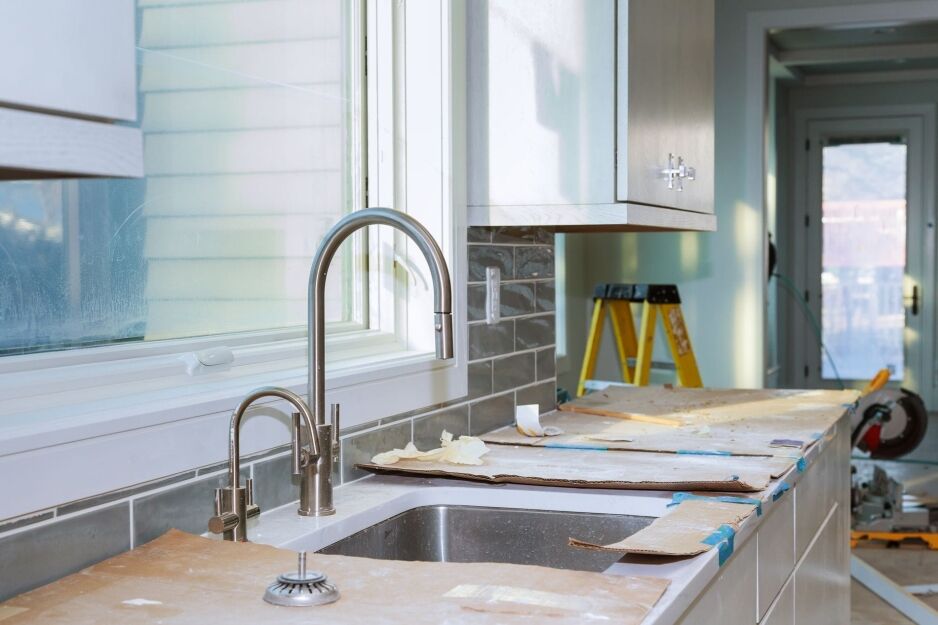
Knowing how to plan a kitchen renovation is what separates a smooth job from one that stalls halfway through. After decades of helping Perth homeowners renovate, I can tell you the people who run into trouble are rarely the ones short on money or taste. They’re the ones who skipped the planning, or did the right things in the wrong order.
The order matters. Order the benchtop too early, book the plumber before the cabinets are in, and you end up paying the same trade to come back twice. This guide walks you through planning a kitchen renovation step by step, in the sequence the work actually happens: research, budget, design, timeline, trades and demolition. Get those six right and the build has a clear path to follow.
Key Takeaways
- Planning a kitchen renovation follows a set order of steps: research, budget, design, timeline, trades, then demolition.
- Start with research. Gather layout ideas, product options and local trades before you commit to anything.
- Set a realistic budget early, build in a contingency, and avoid overcapitalising on the home.
- Design and measure before you order. Get the layout, work triangle, storage and bench space right first.
- A clear project timeline keeps the trades arriving in the right sequence and avoids long delays.
- Gather three quotes for each trade and check reviews, not just the price.
- Doing your own demolition safely is one of the easiest ways to trim the cost.
Step 1: Start With Research

Every good kitchen renovation starts with research, not a tape measure or a credit card. Before you commit to anything, spend real time working out what you actually want and what the job involves. The more you learn up front, the fewer expensive surprises you hit later.
Look into the layout shapes you like and how they’d work in your space. Get across the product types and finishes on the market, so you know the difference between cabinet ranges, benchtop options and splashback choices before a salesperson explains it to you. Get a rough sense of price ranges too, so your budget has a starting point. For the actual numbers and a full Perth overview, our guide to kitchen renovations in Perth is the place to start. Then look at local trades early, because the good ones book out weeks ahead.
I’ll give you a reason why this stage matters. A few years back, a fellow came in halfway through his reno, after he’d already bought a fridge online because it was a good price. Trouble was, he’d never measured the cavity, and the new layout he’d settled on left him about 40mm short on either side. He ended up redesigning a run of cabinets to swallow the extra width, which cost him more than the fridge saved him. Ten minutes of research at the start would have caught it.
Step 2: Set Your Budget
With your research done, the next step is setting a budget. This is the part people are tempted to skip, and it’s the one that bites hardest when they do. A realistic budget set early is what keeps the entire job on track.
Start with what you can comfortably afford, then weigh it against what the home can carry. Pouring more into a kitchen than the property can return is overcapitalising, and it’s an easy trap in a renovation when you’re excited and the showroom is full of new finishes and fixtures. The aim is a kitchen that lifts the home without spending money you’ll never see again.
Whatever figure you settle on, build in a contingency of around 10 percent. Renovations turn up surprises once the old kitchen is out, and that buffer is what stops a small problem becoming a budget blowout. Factor in delivery as a line item too. With us it’s a flat $100 to the Perth Metro area, so it’s a known cost you can plan around rather than a nasty shock at checkout.
Prices shift too much to pin down here, so we’ve put the numbers in two dedicated articles: how much kitchen renovations cost for current Perth figures, and how to calculate your renovation costs to work out your own.
A budget also bends to how much you take on yourself. You can trim a fair bit by handling your own demolition and by choosing pre-assembled cabinets instead of paying a cabinet maker to build from scratch. More on both of those further down. For now, just know the budget isn’t fixed by the showroom, it’s shaped by the choices you make at the planning stage.
Step 3: Design and Lay Out Your Kitchen

The design stage comes next. With your budget set, you can start planning the layout, and this is where good preparation pays off most, because changing a design after the build starts is slow and expensive.
Start by looking at the existing space and deciding whether any structural changes are needed. Are walls moving? Is the footprint staying the same? Settle that first, because it dictates everything after it. Then choose your layout, which is the single most important design decision you’ll make. Most kitchens fall into a handful of shapes: galley, L-shaped, U-shaped, or one built around an island, and the right one depends on your space and how you move through it. The aim is a working kitchen triangle between the sink, cooktop, and fridge that doesn’t have you walking laps to cook dinner. For the details on picking the best one for your room, work through the right kitchen layout.
Before you order a single thing, measure. Properly. I’ve lost count of the renos that came unstuck because someone designed to a wall that turned out to be 30mm out of square, which is common in older Perth homes. Our step-by-step guide on how to measure your kitchen accurately walks you through it. Measure twice, order once.
With your layout and measurements locked in, you can design the kitchen itself in our free 3D Kitchen Planner. It lets you build your space, drop in your cabinet configuration and see how it all fits before you spend anything. This is also the point to confirm your fixtures, because they affect where the plumbing and electrical rough-in goes. Decide on your kitchen sinks now, not later, and settle your cabinetry. Choosing pre-assembled kitchen cabinets at this stage keeps the design simple and the install fast.
Step 4: Build Your Project Timeline And Order Of Works
A kitchen renovation is a relay, not a sprint. Each trade hands off to the next, and the whole thing only runs smoothly if they arrive in the right order. This is the step where you stop planning the kitchen and start planning the job, and it’s where most renos either glide or grind to a halt.
The reason order matters is that the trades depend on each other. The benchtop can’t be templated until the cabinets are in and levelled, because the template is taken off the actual installed cabinets. The sink and tap can’t be connected until the benchtop is in. Splashback goes on after the benchtop, not before. Get the sequence wrong and you’re paying trades to come back a second time.
I watched this play out on a job a while back. The owner, keen to save time, booked the stone company to template before the cabinets had even arrived. They turned up, found nothing to measure off, and charged a call-out fee for the trouble. Then they couldn’t fit the reno back into their schedule for nearly three weeks. One out-of-order booking cost him most of the month. Plan the sequence first, then book the trades to it, not the other way around.
Here’s the order the work runs in:
- Demolition. Remove the old kitchen. Usually a day.
- Structural and build work. Move walls, add or change windows if your design calls for it. One to two days.
- Rough-in (first-fix plumbing and electrical). While the walls are open, the licensed trades run the pipes and wiring for the new layout. About a day.
- Cabinets. Install and level the new cabinetry. One to three days, or a single day with pre-assembled cabinets.
- Benchtop. Template off the installed cabinets, then install. The install is a day, but allow up to a couple of weeks for manufacturing.
- Fit-off (second-fix plumbing and electrical). Connect the sink, tap, appliances, lights and power points. Around a day.
- Splashback. Install once the benchtop is in. Allow a day. This is where your splashback tiles go on.
- Flooring. One to three days depending on the material. Flooring timing varies, some installers lay it before the cabinets, others after, so confirm the order with yours early.
- Finishing. Final clean, handles, adjustments and the bits that make it feel done.
You don’t need a builder to keep this on track. Plenty of homeowners project manage the job themselves by building this schedule, booking each trade to it and confirming the dates a week out. The key is respecting the order and leaving room for the benchtop lead time, which is the one phase you can’t rush.
Step 5: Organise Your Tradespeople
With your design and timeline sorted, you can line up your trades. The key thing to understand first is which jobs you’re legally allowed to do yourself and which you’re not. In WA, plumbing must be done by a licensed plumber and electrical work by a licensed electrician, and if you’ve got gas, a licensed gas fitter has to handle the connection. There’s no DIY shortcut on any of those, and for good reason. Everything else, demolition, painting, tiling, even some of the cabinet install, can be done yourself if you’ve got the skills and want to save on labour. The Housing Industry Association sets out the WA compliance and contract requirements worth understanding before you sign anything.
For each trade you’re hiring, get three quotes. It’s the simplest way to know whether a price is fair, and it gives you a feel for who actually wants the work. When you request a quote, hand over your detailed plan and your project timeline. A tradie quoting off a proper plan gives you a sharper price and a clearer start date than one guessing from a vague description.
Don’t choose on price alone. I learned this watching a customer take the cheapest of three quotes for his cabinetry install, ignoring that the bloke had no reviews and couldn’t give a firm date. The job ran weeks over, the finish was rough, and he ended up paying a second tradie to fix it. The cheapest quote became the dearest job. Check reviews on Google and Facebook, confirm the tradie can work to your timeline, and weigh reliability as heavily as cost. The right trades are reliable, fairly priced and actually available when you need them.
Step 6: Demolition
Demolition is the last step of planning and the first step of the build. Once the old kitchen is out, you’ve crossed over from planning the job to doing it, so this is where your schedule meets reality.
You can absolutely do the demolition yourself, and it’s one of the easiest ways to save on labour. It mostly takes a bit of muscle and the right gear. Before anything comes out, though, the services have to be disconnected, and this is the one part you don’t touch. Your licensed plumber and electrician have to cap off the water, gas and power first, because in WA only licensed trades can legally do that work. Book them into your timeline before demolition day, not after.
Once the services are capped, sort out the practical side. Get a skip bin delivered so you’ve got somewhere to put it all. Wear proper PPE, sturdy gloves, safety glasses, closed shoes and a dust mask at minimum. Work out what’s worth keeping before you start swinging, because appliances, the sink or even cabinet doors can sometimes be sold or reused, while the rest goes in the skip.
One genuine caution for older Perth homes. For Perth homes built before the early 1990s, there’s a strong possibility of asbestos in old sheeting or flooring, and you should not attempt a DIY removal. If you’re unsure, stop and get it tested. Our full guide to kitchen renovations in Perth goes deeper into that side of things.
For a proper step-by-step on pulling the old kitchen out safely, follow our guide on removing your old kitchen. With the old kitchen gone and the planning done, the build can begin.
Frequently Asked Questions
What Order Should You Renovate a Kitchen?
A kitchen renovation runs in a set order: demolition first, then rough-in plumbing and electrical, cabinets, benchtop, fit-off, splashback, flooring and finishing. The order matters because each trade depends on the one before it, so the benchtop can’t be templated until the cabinets are in, and the splashback goes on after the benchtop. Plan the sequence first, then book your trades to match it.
How Do You Plan a Kitchen Renovation Step by Step?
Planning a kitchen renovation runs across six steps in order: research, budget, design, timeline, trades and demolition. You start by researching layouts and products, set a realistic budget with a contingency, design and measure the space, build a project timeline, organise your licensed trades, then demolish the old kitchen to make way for the build. Work through them in that order and the job stays on track.
How Long Does a Kitchen Renovation Take?
A kitchen renovation usually takes a few weeks on-site once demolition starts, but the full job runs longer once lead times are added in. The benchtop alone can need up to a couple of weeks to manufacture after templating, so allow for that in your timeline. Most renovations come together over four to six weeks end to end.
Where Do You Start When Planning a Kitchen Renovation?
You start by researching your options and setting a realistic budget before any design or ordering happens. Research tells you what layouts and products suit your space, and the budget keeps you from overcapitalising. Only once you know roughly what you want and what you can spend should you move on to designing and measuring the kitchen.
Can You Project Manage a Kitchen Renovation Yourself?
Yes, you can project manage a kitchen renovation yourself with a clear timeline and the right trades booked in the right order. You build the schedule, line up each trade to it, and confirm dates ahead of time. The one rule you can’t bend is that plumbing, electrical and gas work must stay with licensed trades, even when you’re running the job.
Ready To Start Planning Your Kitchen Renovation?
Plan the job properly and the build has a much better chance of running smoothly. That’s the lesson after decades of watching Perth kitchens come together, and the occasional one come unstuck. Work through the six steps in order, research, budget, design, timeline, trades and demolition, and you’ll know what to do, what it’ll cost and what order it all happens in before a single tool comes out. Planning is where a kitchen renovation is won or lost.
Once your planning sequence is clear, the next move is your layout. Map it in our free 3D Kitchen Planner, drop in your cabinets and see the whole thing before you commit. When you’re ready to order, our pre-assembled kitchen cabinets are built to go in fast, often in a single day as a DIY install, and our flat $100 Perth Metro delivery means no surprises at checkout. Plan smart, and the rest follows.
