
How Much Does It Cost to Tile a Bathroom in Perth?
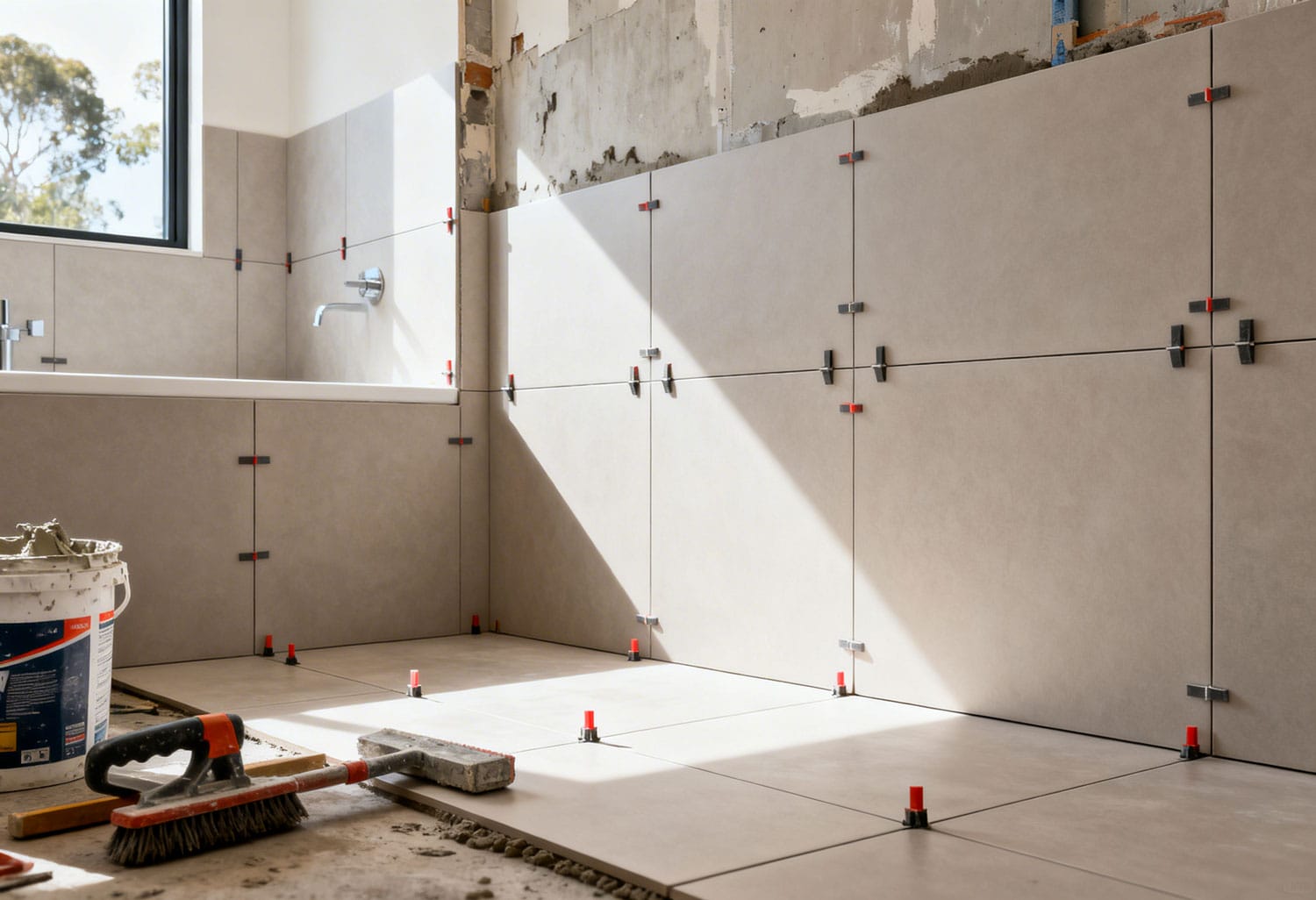
One of the first questions I hear from homeowners planning a renovation is how much does it cost to tile a bathroom? It’s a fair question, and the answer can vary depending on the bathroom tiles you choose, the room’s size, and the preparation work involved.
In most Perth homes, the bathroom floor itself is usually around 6m², but the tiled surface area quickly increases once you include the walls. A typical renovation ends up covering 25–30m² of bathroom wall and floor tiles, which is why the total cost to tile a bathroom can vary more than many people expect.
Tile materials, tiling labour, waterproofing requirements and surface preparation all play a role in the final tile installation cost. If existing tiles need to be removed or the substrate needs levelling, that can also affect your bathroom renovation budget.
In this guide, I’ll break down the average cost to tile a bathroom in Perth, including tile price per square meter, labour rates and the additional costs most renovators overlook. By the end, you’ll have a realistic idea of what to budget before starting your bathroom project.
Quick Answer: How Much Does It Cost to Tile a Bathroom?s
In Perth, the average cost to tile a bathroom typically ranges from $2,000 to $7,000 depending on the size of the room, tile choice and preparation work.
Typical bathroom tiling costs include:
- Tiles: $20–$70 per m²
- Tiling labour: $75–$120 per m²
- Waterproofing: $500–$1,000 per bathroom
- Tile removal and preparation: $25–$50 per m²
For a standard bathroom with around 25–30 m² of tiled surface area, most homeowners spend $4,500 to $6,500 for a complete tiling job.
According to Perth tiler Marble West Tiling, most standard bathroom tiling projects in Perth fall within this range, depending on the level of preparation and tile complexity. National estimates from HiPages suggest bathroom tiling installation can range from $50to $150 per m², depending on the complexity of the job.
Bathroom Tile Costs Per Square Metre: Tile Price Guide
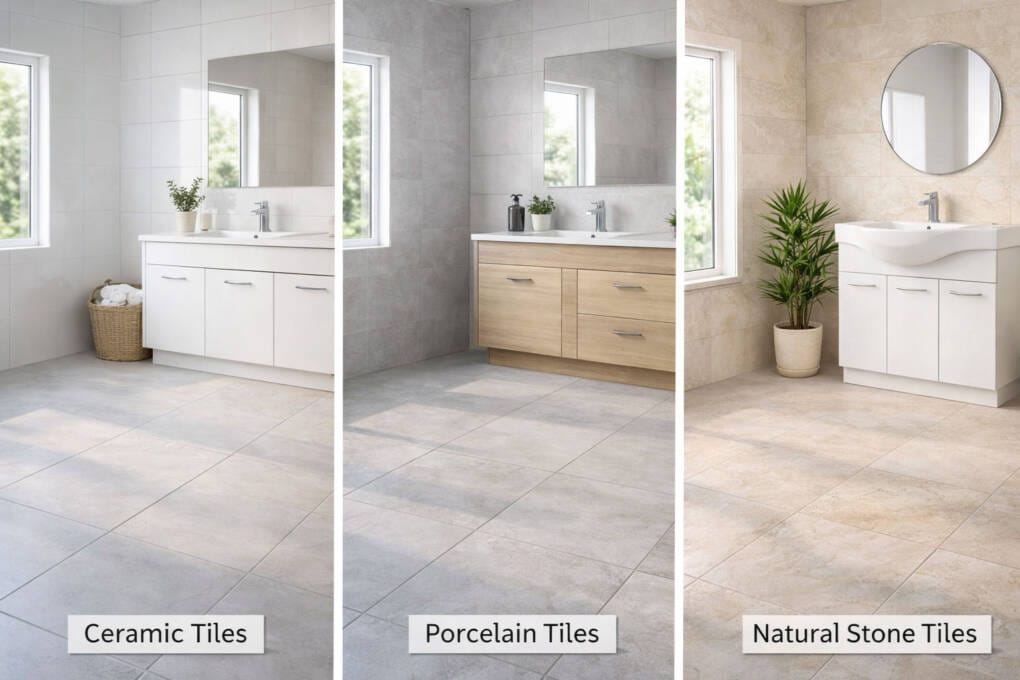
When estimating the cost to tile a bathroom, it helps to separate tile supply from labour. Many homeowners focus on installation pricing, but the tile price per square meter is another major part of the overall budget. The cost of bathroom tiles per m² can vary significantly depending on the material, durability and design you choose.
To give you a clearer idea of supply costs, here’s a quick comparison of common bathroom tile materials.
| Tile type | Typical price per m² | Best use |
| Ceramic tiles | $20–$60 | Bathroom wall tiles |
| Porcelain tiles | $25–$70 | Bathroom floor tiles and wet areas |
| Natural stone tiles | $80–$200 | Luxury bathroom designs |
Let’s look at the options in more detail:
Ceramic Tiles
Ceramic tiles are one of the most affordable options for bathroom renovations. At Ross’s, ceramic tiles typically range from $20–$60 per m². They’re versatile, easy to work with and commonly used for bathroom wall tiles. For many renovators, ceramic tiles offer a practical balance between style and tile supply cost.
Porcelain Tiles
Porcelain tiles usually cost slightly more, generally between $25–$70 per m². Porcelain is denser and more durable than ceramic, which makes it a popular choice for bathroom floor tiles and wet areas. It also offers excellent slip resistance, which is an important safety factor for bathroom flooring.
Natural Stone Tiles
Natural stone tiles are considered a premium material and are often used in high-end or luxury bathroom designs. Prices commonly range from $80–$200 per m², depending on the stone type and finish. While they can create a striking look, they also increase overall bathroom tile costs compared with ceramic tiles or porcelain options.
Ultimately, the material you choose will significantly impact your bathroom tile costs. Selecting the right tile involves balancing durability, appearance and budget before moving on to installation.
Tiling Labour Costs Per Square Metre in Perth
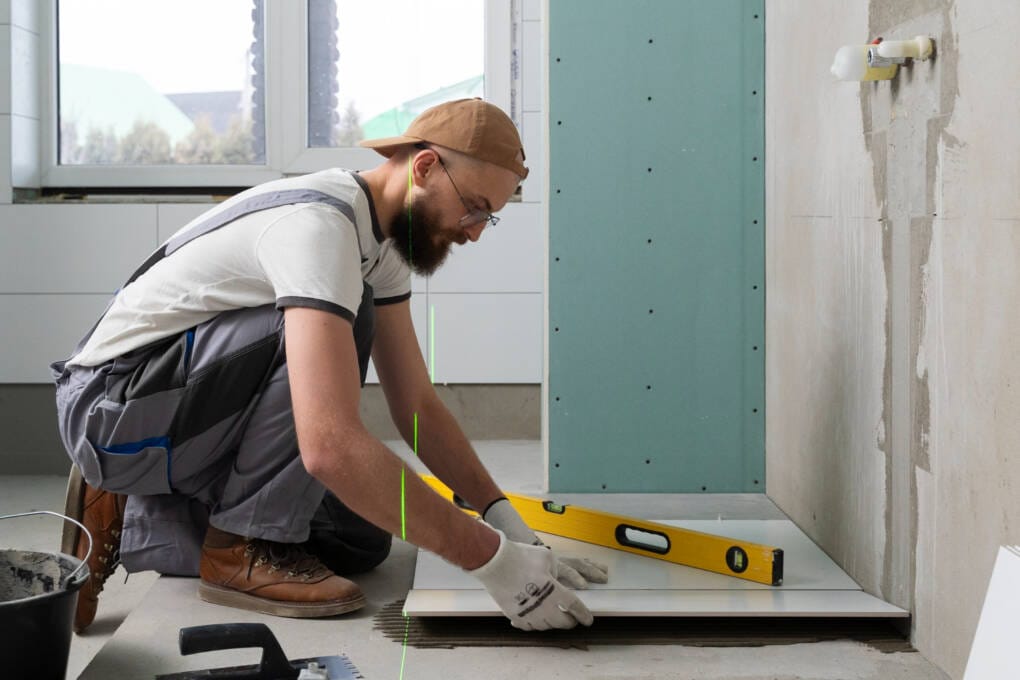
When planning a bathroom renovation, it’s important to understand that labour often makes up the largest portion of the tile installation cost. While tile prices vary by material, the time and skill required to install them can have an even greater impact on the final budget.
In Perth, tiling labour costs per square metre typically range from $75–$120 per m², based on the complexity of the job. Some tilers may also quote hourly rates, with experienced professionals generally charging $60 per hour or more. However, most bathroom tiling work is priced by square metre because it provides a clearer estimate for the full installation.
Several factors influence tile labour cost beyond the basic square metre rate. One of the biggest is the tile layout pattern. A standard straight lay pattern is usually the most affordable because it requires minimal cutting and simpler alignment. More complex designs increase tile installation labour due to the additional time and precision required.
For example, the following layouts often increase tiling labour costs per square metre:
- Large format tiles, which require careful levelling and handling
- Diagonal patterns, which create more cutting around edges
- Herringbone layouts, which involve precise alignment and additional labour
- Mosaic feature walls, which require detailed placement and extra grout lines
Intricate designs also increase the time needed to apply tile adhesive and ensure every tile is level and properly spaced. While these styles can create a striking finish, they can noticeably increase the overall tile installation cost per m².
Extra Costs That Affect the Cost to Tile a Bathroom
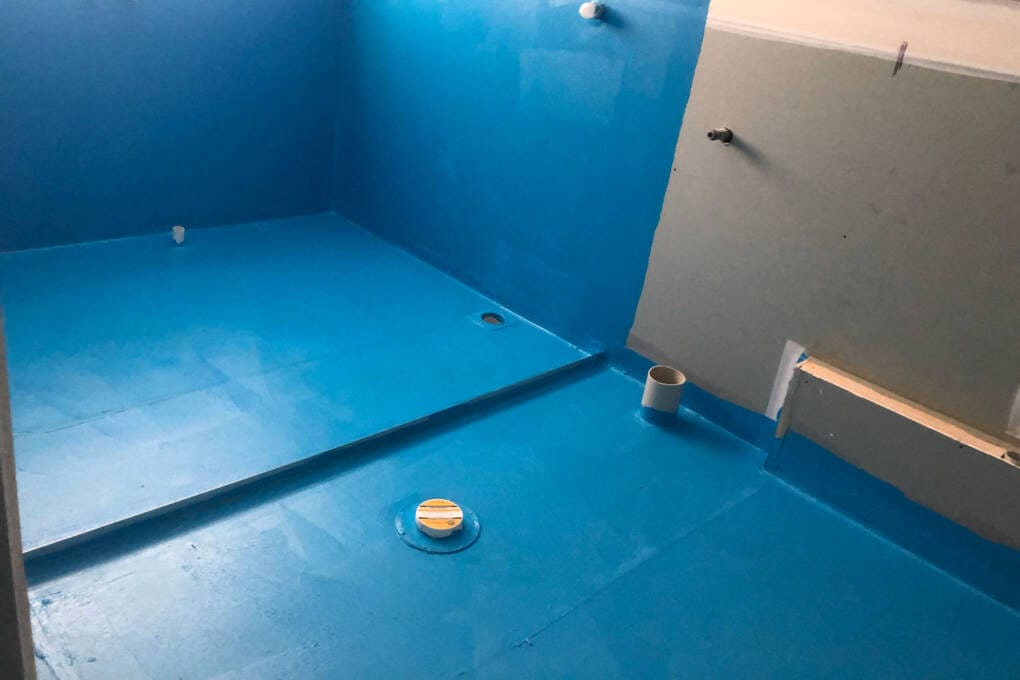
One of the most common budgeting mistakes I see during bathroom renovations is underestimating preparation work. Many homeowners focus on tile supply and tiling labour, but the work required before installation can significantly increase the overall tile installation cost, and most of it happens in the shower recess, which is why it’s worth comparing a shower base with a tiled shower floor before you finalise the budget.
Several preparation steps may be required before new tiles can be installed properly. These additional bathroom tiling costs often include:
- Tile removal and disposal: $25–$50 per m². Removing existing tiles adds demolition costs and labour before the new installation can begin.
- Surface levelling or screeding: $20–$40 per m². If the floor isn’t level, a screeding compound may be required to correct the surface before tiling.
- Waterproofing membrane: $500–$1,000 per bathroom. Waterproofing is essential in wet areas and must be installed before tile adhesive and tiles are applied.
- Waste relocation or plumbing adjustments: If floor wastes or plumbing need repositioning, this can increase preparation costs.
- Substrate repair or reinforcement: If the substrate condition is poor, additional surface preparation may be needed to ensure the tiles adhere correctly.
Waterproofing is legally required in Western Australian bathrooms and must comply with building regulations. Without a properly installed waterproof membrane, moisture can penetrate behind the tiles, causing long-term structural damage.
These preparation steps can noticeably increase the cost to tile a bathroom, but they’re essential to ensure the finished tiling job is durable, safe and compliant.
If you want to see what the full preparation process involves before tiling begins, take a look at our guide on how to prep a bathroom for tiling.
What Affects the Cost to Tile a Bathroom?
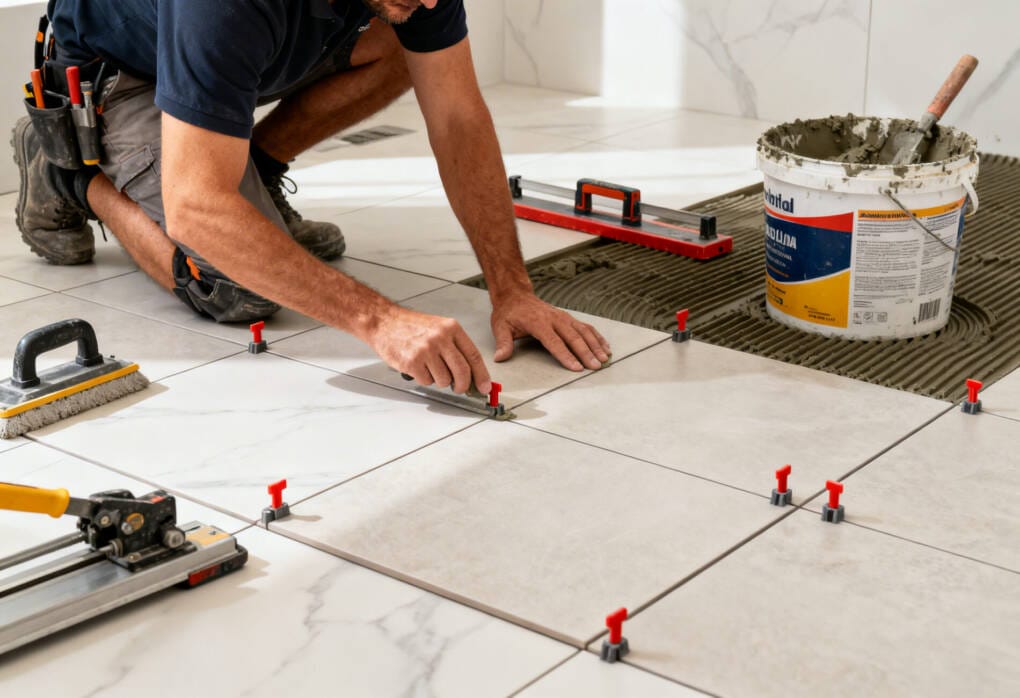
Several factors influence the final bathroom tiling cost per m², which is why the cost to tile a bathroom can vary so much from one project to another. While tile supply and labour rates are important, the installation details often determine how much time and material are required to complete the job.
The most common factors that affect bathroom tile costs include:
- Tile size: Larger tiles usually reduce grout spacing and require fewer grout lines, which can speed up installation. However, they may also require careful levelling and handling. If you’re unsure which sizes work best for bathrooms, our guide to tile sizes explains the most common options and where they’re typically used.
- Tile thickness and density: Heavier or thicker tiles can increase tile cutting complexity and installation time.
- Tile pattern: A simple straight lay is usually the most efficient tile layout design. Patterns such as diagonal or herringbone layouts require additional cutting and alignment.
- Bathroom size and layout: Smaller bathrooms can sometimes take longer to tile because of tight spaces and awkward corners.
- Accessibility of the renovation site: Renovation accessibility can influence labour time if materials must be carried through multiple levels or narrow spaces.
- Feature tile walls, niches or decorative panels: Feature tile walls and recessed niches require additional cutting, alignment and precision.
- Condition of the existing substrate: Uneven or damaged surfaces may require additional preparation before tiles can be installed.
If you’re trying to manage your renovation budget, the cheapest way to tile a bathroom is usually to choose larger tiles and keep the tile layout design simple. A straightforward pattern reduces tile cutting complexity and installation time while still delivering a clean, modern finish.
Real Bathroom Tiling Cost Examples
To give you a clearer idea of what to budget, it helps to look at a few practical renovation scenarios. The average cost to tile a bathroom can vary depending on tile selection, installation complexity and preparation work. These examples show how tile supply, labour and preparation combine to influence the final bathroom tiling project cost.
Example 1: Small 6m² Bathroom (Approx. 25m² Tiled Surface)
This scenario reflects a straightforward renovation using affordable materials and a simple layout.
Estimated costs:
- Tiles (average $40 per m²): about $1,000
- Labour ($85 per m²): about $2,100
- Waterproofing: about $600
Estimated total tiling cost:
$2,500–$4,000
This type of renovation is common for smaller bathrooms or ensuites where homeowners choose standard tile sizes and a simple straight lay pattern.
Example 2: Standard Bathroom (Approx. 28m² Tiled Surface)
A typical bathroom renovation often includes mid-range tiles and some minor preparation work before tiling begins.
Estimated costs:
- Tiles ($60 per m²): about $1,700
- Labour ($95 per m²): about $2,650
- Waterproofing: about $800
- Minor preparation: $300–$600
Estimated total tiling cost:
$4,500–$6,500
This range represents the average cost to tile a bathroom for many Perth homes where both walls and floors are tiled.
Example 3: High-End Bathroom (Approx. 30m² Tiled Surface)
Higher-end bathrooms usually involve premium tiles, feature areas and more complex installation.
Estimated costs:
- Premium porcelain tiles ($70 per m²): about $2,100
- Labour ($120 per m² due to complex layouts): about $3,600
- Waterproofing: about $1,000
- Surface levelling or additional preparation: $800–$1,200
Estimated total tiling cost:
$7,000–$9,000+
Premium bathrooms often cost more because feature walls, large format tiles and intricate layouts increase installation time and tile cutting complexity.
How to Reduce Bathroom Tiling Costs
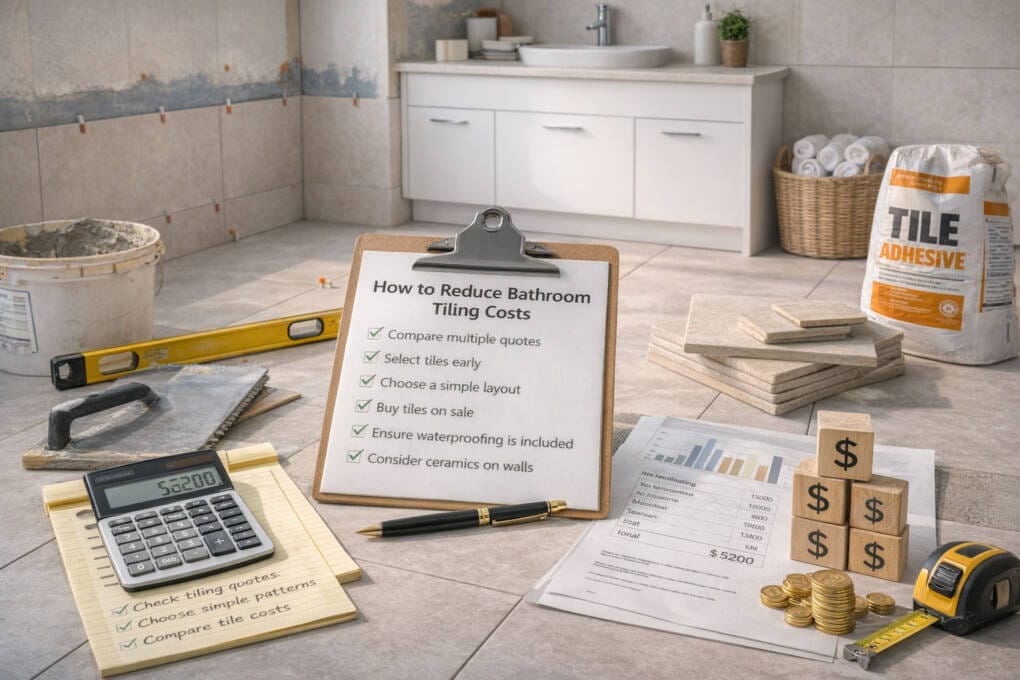
If you’re trying to keep bathroom tile costs under control, the cheapest way to tile a bathroom is usually to reduce labour time and avoid design choices that create extra cutting and slow installation. The strategies below are some of the most effective ways to lower bathroom tiling costs without sacrificing quality.
- Choose a straight lay tile pattern: A straight lay pattern is typically the fastest layout to install. It reduces cutting, simplifies alignment and improves installation efficiency. More intricate layouts such as herringbone or diagonal patterns require additional labour and often increase material waste.
- Use ceramic tiles on walls and porcelain tiles on floors: This is one of the most cost-effective tile choices for most renovations. Ceramic tiles are often more affordable for bathroom walls, while porcelain provides better durability and slip resistance for floors and wet areas. If the wall surface is where your budget is under the most pressure, comparing wet wall panels with tiled walls is worth doing before you finalise quantities, because panels remove most of the wall tiling labour.
- Limit mosaics to small areas: Mosaic tiles can significantly increase labour costs. They create more grout lines and take longer to install. If you like the look, it’s usually better to use them in a niche or as a small feature instead of covering large wall areas.
- Buy tiles during seasonal sales: Purchasing tiles during promotions or clearance periods can reduce supply costs and support better renovation budget planning.
- Ensure waterproofing and preparation are included in quotes: Some quotes exclude preparation work such as waterproofing, surface levelling or tile removal. Confirming these details early helps prevent unexpected increases to the tile installation cost.
- Compare multiple tiler quotes: A proper tiling quote comparison can help you understand typical pricing and avoid paying more than necessary.
- Select tiles early in the renovation process: Choosing tiles early helps with renovation planning and prevents delays that can affect installation efficiency or increase labour costs.
If you’re still deciding on tile types and styles, our guide on bathroom tiles can help you narrow it down. You may also find our bathroom floor tile buyers guide useful when choosing durable, cost-effective flooring options.
Should You Supply Tiles or Let the Tiler Supply Them?
Another decision that can influence your tile installation cost is whether you supply the tiles yourself or have the tiler supply them as part of the job. Both options are common during bathroom renovations, and each approach has its advantages.
Many homeowners prefer supplying their own bathroom tiles because it gives them greater control over style, colour and material selection. When you choose your tiles directly from a tile supplier, you can compare designs, finishes and sizes to ensure they match the rest of your bathroom fittings and overall renovation plan. It also provides transparent pricing, making it easier to manage bathroom tile costs within your renovation budget.
Supplying your own tiles can also help with renovation planning. By selecting tiles early, you allow time for delivery and ensure the materials are available when the tiler is ready to begin installation.
However, there are a few responsibilities to keep in mind. If you’re supplying the tiles yourself, you’ll need to confirm the correct tile ordering quantities to allow for cuts, wastage and future repairs. Most tilers recommend ordering around 10% extra tiles for this reason. You’ll also need to coordinate delivery, so the tiles arrive before installation begins.
Despite these considerations, many Perth renovators still prefer supplying their own bathroom tiles so they can control the final look of the space and manage tile procurement directly.
If you’re still comparing styles or materials, you can explore our range of bathroom tiles to see the different options available before finalising your renovation plans.
Final Advice Before Tiling Your Bathroom
If you’re planning a bathroom renovation, understanding the full cost to tile a bathroom can help you avoid budget surprises. Tile prices and labour rates are only part of the picture — preparation work, waterproofing and installation complexity can all affect the final price.
Start by confirming exactly what tiling work will be required. This includes the total tiled surface area, tile layout, and whether preparation work, such as tile removal, levelling, or substrate repairs, will be needed. Waterproofing must also comply with Western Australian building regulations and forms an essential part of the overall tile installation cost.
When requesting quotes, ask for a detailed breakdown that includes labour, preparation work, waterproofing and materials. A proper tiling quote comparison between at least two professionals will give you a clearer idea of the real cost to tile a bathroom in Perth.
Finally, complete your tile selection process early in the renovation. Ordering tiles in advance helps avoid delays and ensures the project runs smoothly from start to finish.
If you’re planning a full renovation, our Guide to Perth Bathroom Renovations explains the key steps involved in designing, budgeting and completing a successful bathroom project. And for the best bathroom tiles in Perth, look no further than Ross’s Discount Home Centre.
