
How to Design a Functional Kitchen
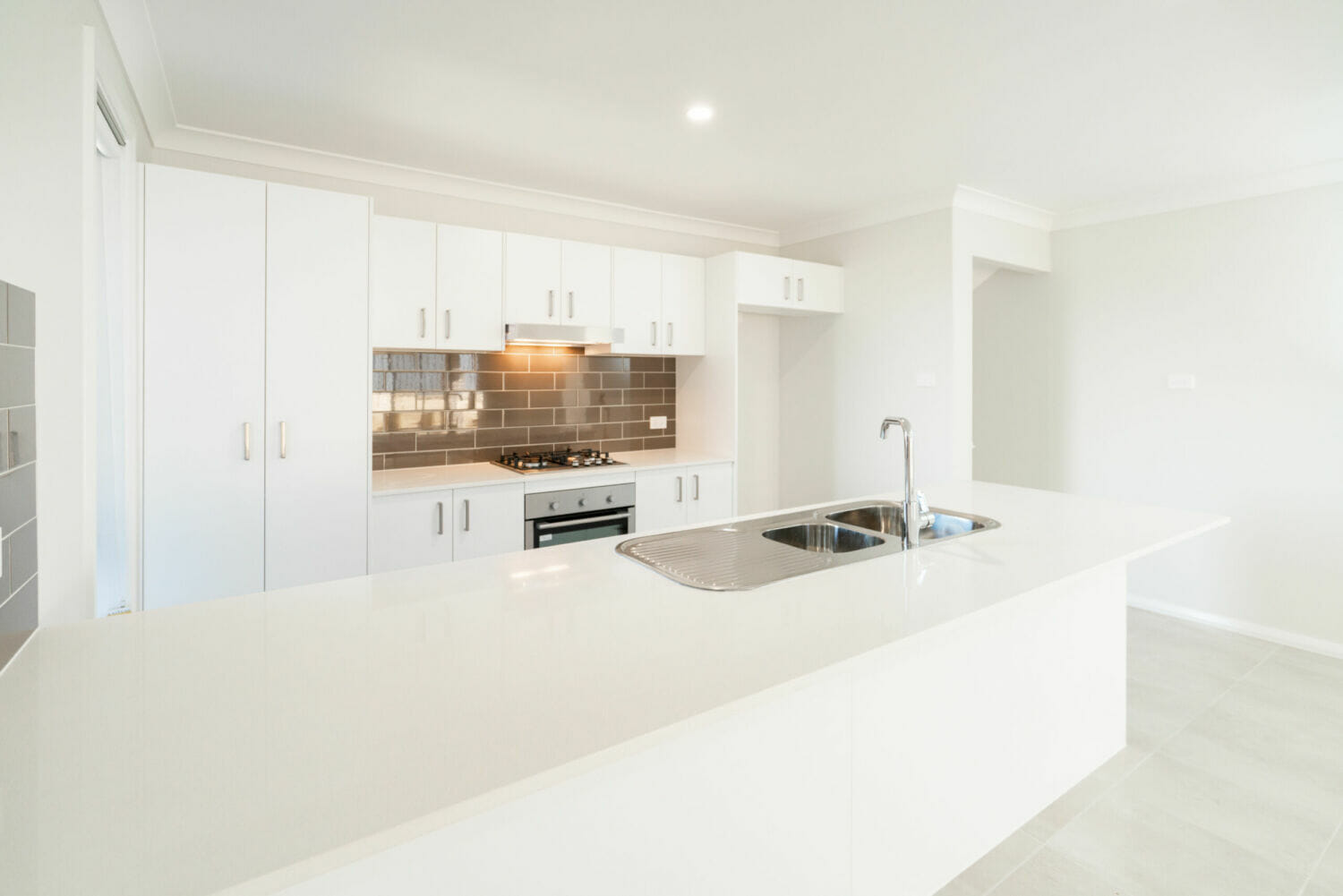
A kitchen can look great, but if it doesn’t work properly, the novelty wears off very quickly. I’ve seen this time and time again. Homeowners invest in colours, finishes, and features, only to realise later that everyday tasks feel harder than they should. That’s why, when it comes to good kitchen design, function has to come first.
The kitchen is one of the most-used spaces in any home. It needs to support how you cook, clean, move, and store things every single day. A functional kitchen isn’t about trends or fancy extras. It’s about smart layout choices, practical storage, good lighting, and planning the space around how you actually live.
If you’re planning a kitchen renovation, this is the stage where getting it right matters most. A bit of thought upfront can save you from frustration, wasted space, and costly changes later on. I’ve recently renovated my own kitchen, and functionality was my top priority. Even with years of experience in kitchen design, I still took the time to step back and think about what would genuinely make the space easier to use long term.
In this guide, I’ll walk you through how to design a functional kitchen. Nothing overcomplicated. Just practical advice that helps you create a kitchen that works properly, feels comfortable to use, and stands up to everyday life.
Start With How You Use Your Kitchen
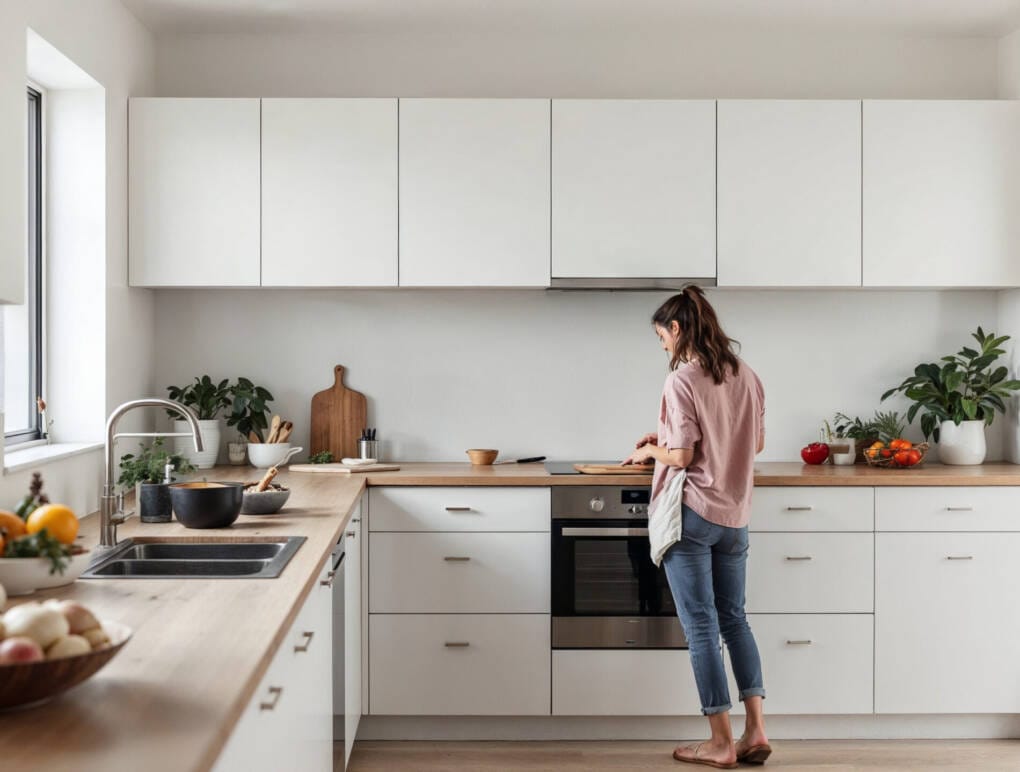
Before you think about layout, cabinets, or appliances, the most important step is to stop and think about how you actually use your kitchen. This sounds obvious, but it’s the step many people skip — and it’s often where functionality is won or lost.
Every household uses its kitchen differently. Some people cook every night. Others rely more on quick meals. Some kitchens need to handle family dinners, school lunches, and weekend entertaining all at once. A functional kitchen design starts by recognising these habits and planning around them.
I always suggest asking yourself a few simple questions:
- Do you cook most meals at home, or only occasionally?
- Do you need plenty of bench space for food prep?
- Are you cooking for one, or for a family?
- Do you entertain often, or is the kitchen mainly for everyday use?
- What items do you reach for every single day?
Answering these questions helps shape smarter decisions later on. For example, if you cook regularly, you’ll want clear prep areas and storage close to where you work. If your kitchen sees a lot of traffic, layout and flow become far more important than decorative features.
This is especially important if you’re planning a kitchen renovation. Renovating is the perfect opportunity to fix what hasn’t worked in your current kitchen. I always encourage people to think about what frustrates them now — lack of storage, poor bench space, awkward movement — and make sure those issues don’t carry over into the new design.
When you design your kitchen around real habits instead of assumptions, everything else becomes easier. Layout, storage, lighting, and appliance choices all start to make sense, and you end up with a kitchen that feels natural to use, not one you have to work around.
Kitchen Layout: Choosing the Right Shape
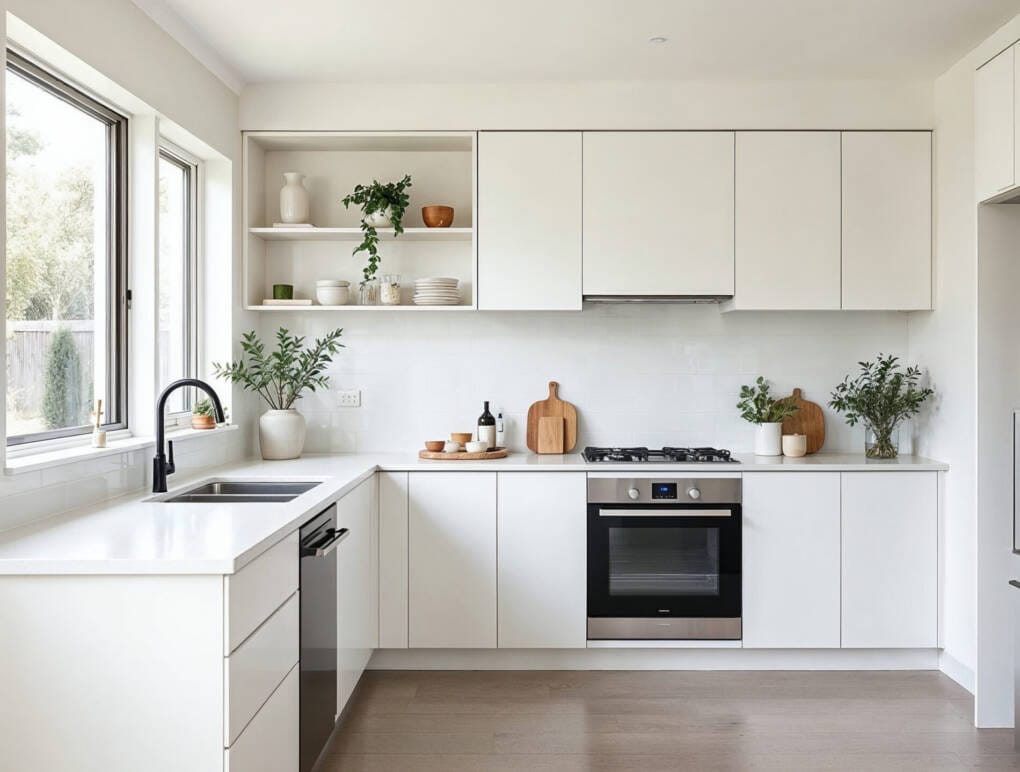
Once you understand how you use your kitchen, the next step is choosing a layout that suits your space. The layout sets the tone for how everything flows — how you move, where you work, and how comfortable the kitchen feels day to day. This isn’t about trends. It’s about choosing a shape that actually fits your room and your lifestyle.
There are a few common kitchen layout shapes, and each works best in certain spaces:
- One-wall kitchens work well in smaller homes, apartments, or open-plan areas where space is limited. Everything runs along a single wall, which keeps things simple and efficient when designed properly.
- Galley kitchens use two parallel walls and are great for narrow spaces. When planned well, they can be very efficient for cooking and prep.
- L-shaped kitchens are one of the most popular options, especially in small to medium-sized homes. They offer good flow, reduce foot traffic through work areas, and make it easier to create functional zones.
- U-shaped kitchens suit larger spaces and provide plenty of bench space and storage. They work best when there’s enough room to move comfortably without feeling closed in.
- Island kitchens add extra workspace and storage, but only work well when there’s enough clearance around the island to maintain good movement.
I’ve seen plenty of kitchens struggle simply because the layout didn’t suit the room. Trying to force an island into a tight space, or squeezing too much into a small kitchen, usually creates more problems than it solves. A functional layout should feel natural, not cramped or awkward.
The key here is to let the space guide the layout, not the other way around. Once you choose the right shape, it becomes much easier to plan storage, benches, and appliances in a way that supports how you actually use your kitchen.
The Work Triangle
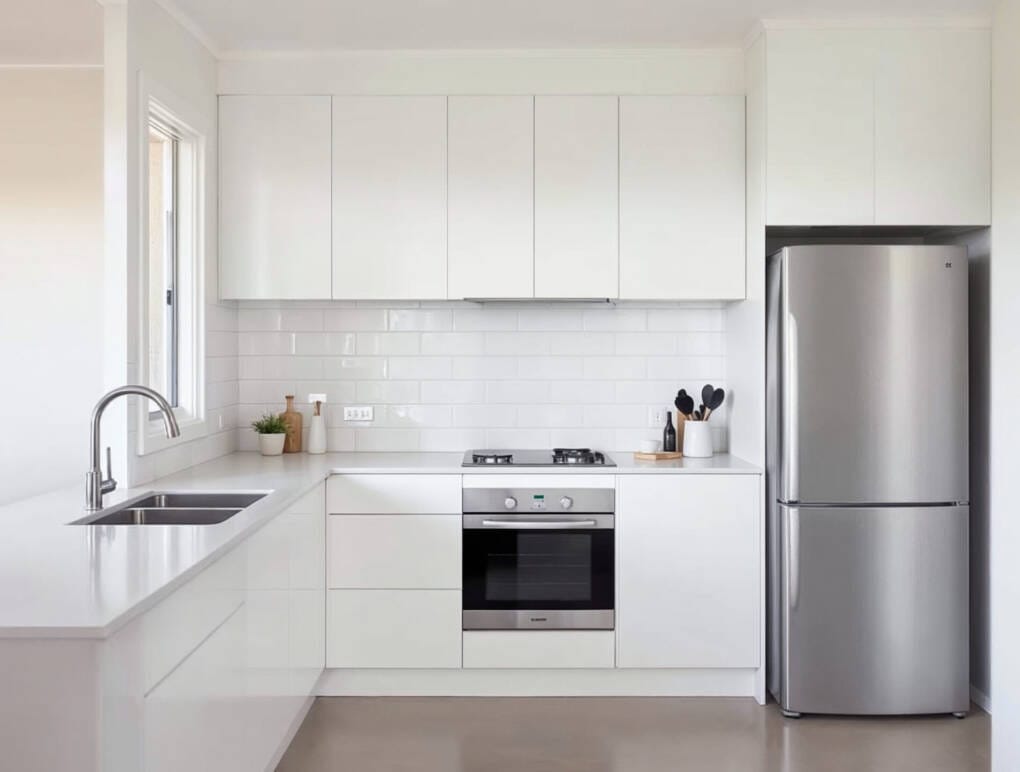
When people talk about functional kitchen design, the work triangle often comes up. At a high level, it’s simply a way of thinking about how the three most-used areas in your kitchen relate to each other:
- the sink
- the cooktop
- the fridge
The idea is to keep movement between these areas easy and efficient, without unnecessary steps or obstacles. You don’t need to obsess over measurements or rules here. It’s more about common sense and flow.
In a functional kitchen, you should be able to move comfortably between food storage, preparation, and cooking without crossing the same path over and over again. When these areas are too far apart, everyday tasks feel tiring. When they’re too close or poorly positioned, the kitchen can feel cramped or chaotic.
That said, the work triangle isn’t a strict formula. Modern kitchens come in all shapes and sizes, and open-plan living has changed how many people use their space. Islands, multiple cooks, and family traffic all affect how the kitchen functions. What matters most is that the layout supports your routine, not that it follows a textbook diagram.
If you want a deeper look at how appliances, cabinets, and storage work together within different layouts, that’s where more detailed planning comes in. We’ve covered this in depth in our guide on how to arrange kitchen cabinets for optimal functionality, which walks through practical cabinet placement and flow without overcomplicating things. At this stage, though, the work triangle is best used as a simple reminder that good kitchen design should reduce unnecessary movement and make everyday tasks feel smooth and natural.
Benchtops and Work Surfaces
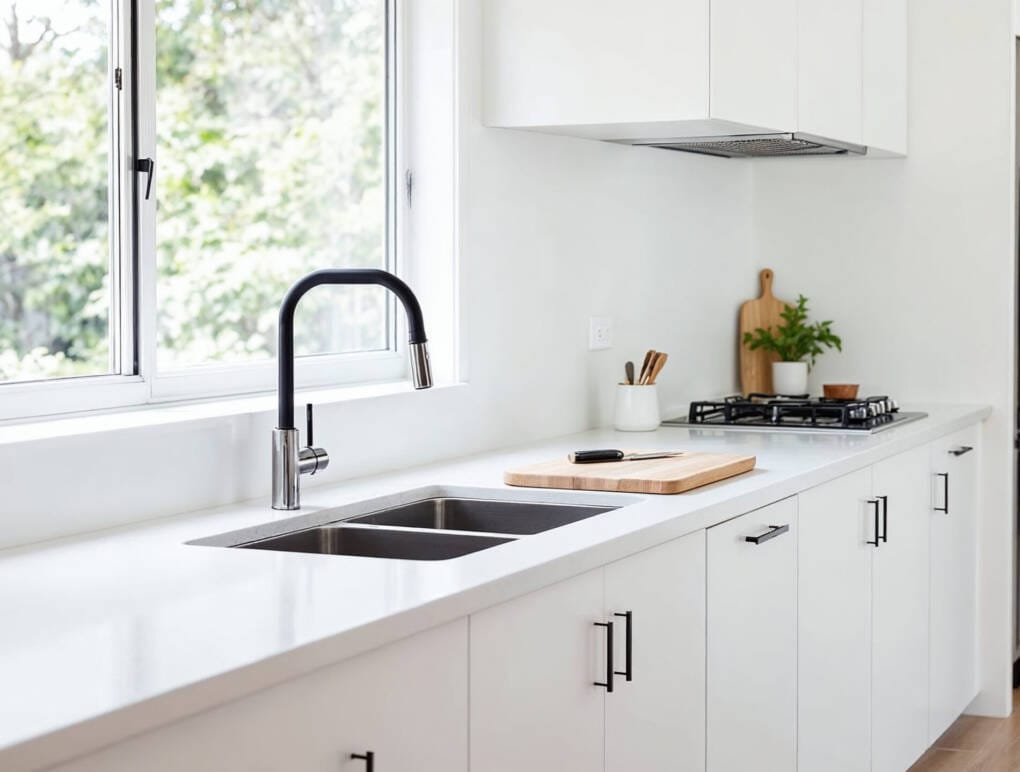
Benchtops play a much bigger role in a functional kitchen than most people realise. It’s not just about what they’re made from — it’s about how much workspace you have and where it’s positioned. A good-looking benchtop won’t feel practical if you’re constantly short on space when cooking.
The first thing to think about is how you use your benchtops day to day. If you prep food often, you’ll want clear, uninterrupted workspace near the sink and cooktop. If multiple people use the kitchen at once, having more than one usable surface can make a big difference.
When planning benchtops, keep these practical points in mind:
- Allow enough clear space for food preparation
- Avoid breaking up benches with too many appliances
- Think about where you naturally prep, plate, and clean up
- Make sure benches support the flow of the kitchen layout
Material choice still matters, but it should come second to function. Durability, ease of cleaning, and long-term maintenance are just as important as appearance. If you want to explore materials in more detail, we cover this in our guide on how to choose kitchen benchtops, which breaks down the practical differences between common options.
From my own experience, having enough usable bench space makes everyday cooking far more enjoyable. When benchtops are planned properly, the kitchen feels easier to work in, cleaner to maintain, and far more comfortable to use over the long term.
Storage: Plan More Than You Think You Need
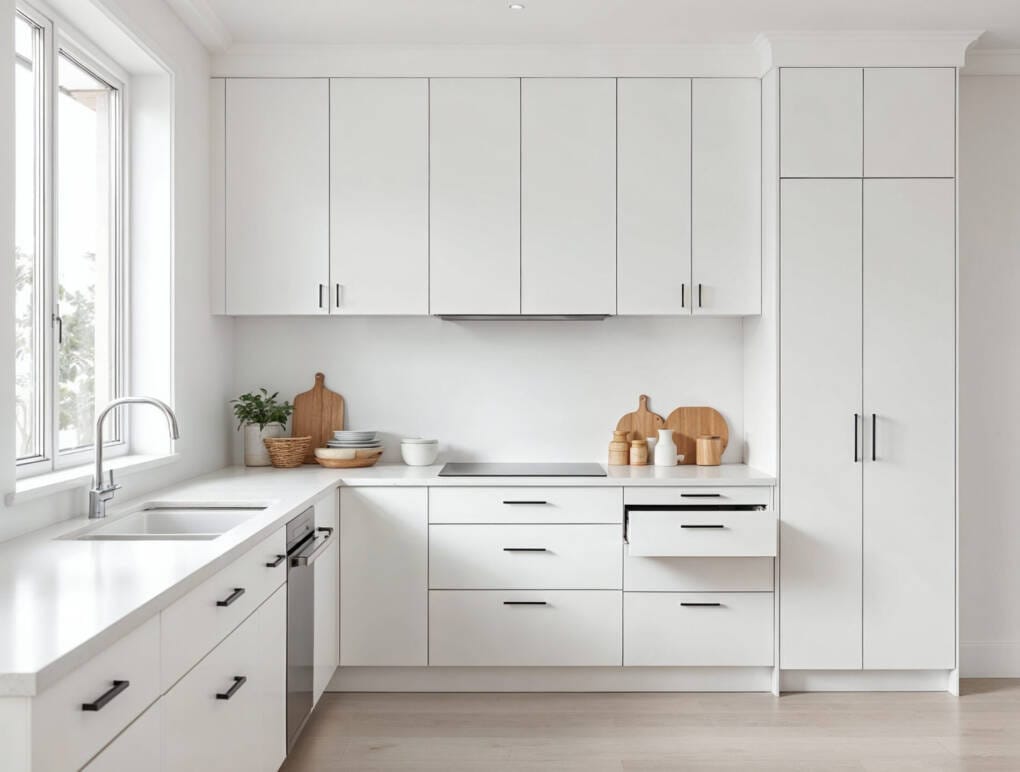
If there’s one mistake I see people make again and again, it’s underestimating how much storage they actually need. Kitchens have a way of collecting things over time — appliances, cookware, dinnerware, pantry items — and once the kitchen is finished, adding storage later is never easy.
A functional kitchen should offer at least as much storage as your current one, and ideally a bit more. Even if you plan to declutter, everyday items still need a proper home. When storage is lacking, benches get cluttered, and the kitchen quickly feels messy and hard to use.
When planning storage, it helps to think in simple layers rather than individual cabinets. A well-balanced kitchen usually includes a mix of:
- base cabinets for heavy items and everyday use
- wall cabinets to make use of vertical space
- kitchen drawers for easy access to pots, pans, utensils, and cutlery
- pantry cabinets for food storage and larger items
Choosing the right combination makes a big difference to how organised your kitchen feels. That’s why we offer a full range of kitchen cabinets, including base cabinets, wall cabinets, kitchen drawers, and pantry cabinets, so you can build storage that suits your space rather than forcing a one-size-fits-all solution.
I nearly fell into this trap during my own renovation. With fewer walls in an open-plan layout, storage options were limited, so I made a conscious effort to maximise pantry space and choose pull-out pantries over traditional pantry cupboards. That single decision made the kitchen far easier to live with.
Good storage planning also plays a big role in keeping clutter under control. If everything has a place, the kitchen naturally stays tidier. We’ve covered this in more detail in our article on clutter-free kitchen solutions, which looks at practical ways to reduce mess through smarter cabinet choices.
Once your storage is planned, how you organise it makes just as much difference. We’ve covered this in more detail in our guide on organising your kitchen cabinets for improved functionality, which looks at simple ways to make everyday storage easier to live with.
When storage is planned properly from the start, the kitchen feels calmer, cleaner, and far more enjoyable to use — even on the busiest days.
Kitchen Appliances That Support Daily Use
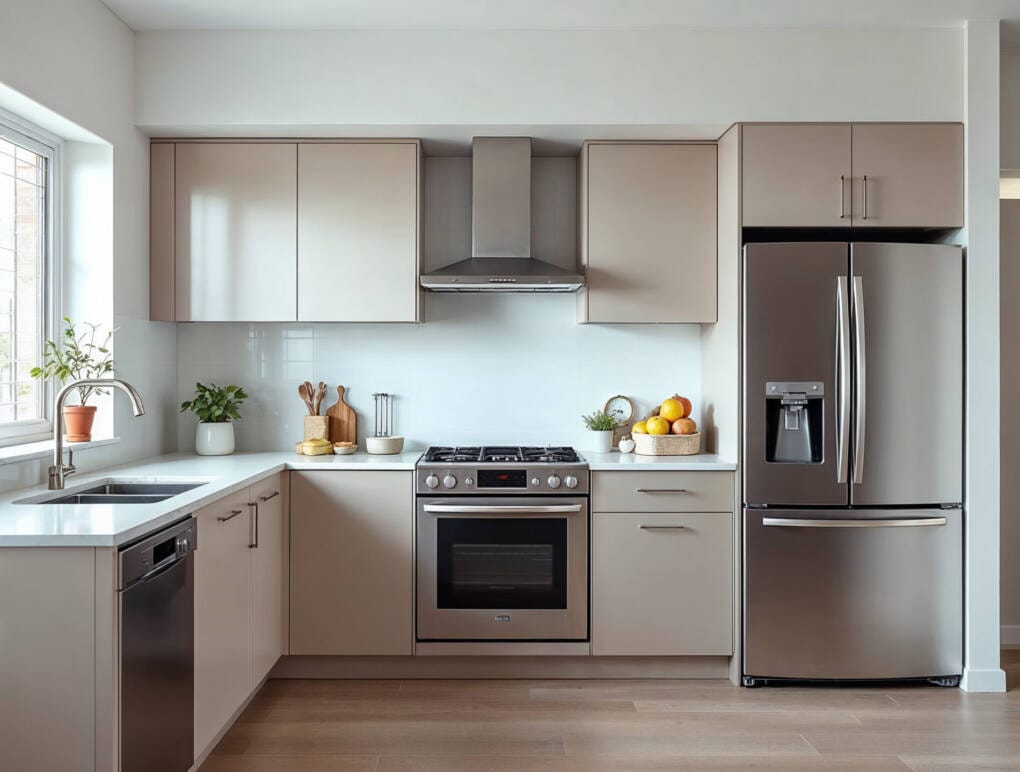
Appliances play a big role in how functional your kitchen feels, but more isn’t always better. The goal isn’t to fill the space with the latest features — it’s to choose appliances that genuinely support how you use your kitchen every day.
Designing a functional kitchen starts with the essentials. For most homes, that means a fridge, cooktop, oven, dishwasher, microwave, and rangehood that are correctly sized and sensibly positioned within the cabinetry. When these appliances work well together, everyday tasks like cooking, cleaning, and unpacking groceries feel quicker and less frustrating.
When choosing appliances, it helps to keep a few practical points in mind:
- Choose sizes that suit your household, not just the space
- Prioritise reliability and ease of use over unnecessary features
- Think about how appliances fit into your workflow
- Allow enough space for doors, drawers, and ventilation
I’ve seen plenty of kitchens where appliances looked impressive, but poor placement made them awkward to access and harder to use day to day. On the flip side, well-planned appliance placement that suits the household can make even a smaller kitchen feel efficient and comfortable to use.
That’s why appliances should be considered early in the design process, rather than squeezed in later. Leaving appliance decisions too late often leads to compromises, such as lost bench space, awkward access, or storage that doesn’t work properly. When appliances are planned alongside cabinets and benchtops from the start, the kitchen feels cohesive and works as a single, well-thought-out space.
At the end of the day, the best kitchen appliances are the ones you don’t have to think about. They fit naturally into your routine, do their job reliably, and make everyday life in the kitchen that little bit easier.
Lighting: Often Overlooked, Always Important
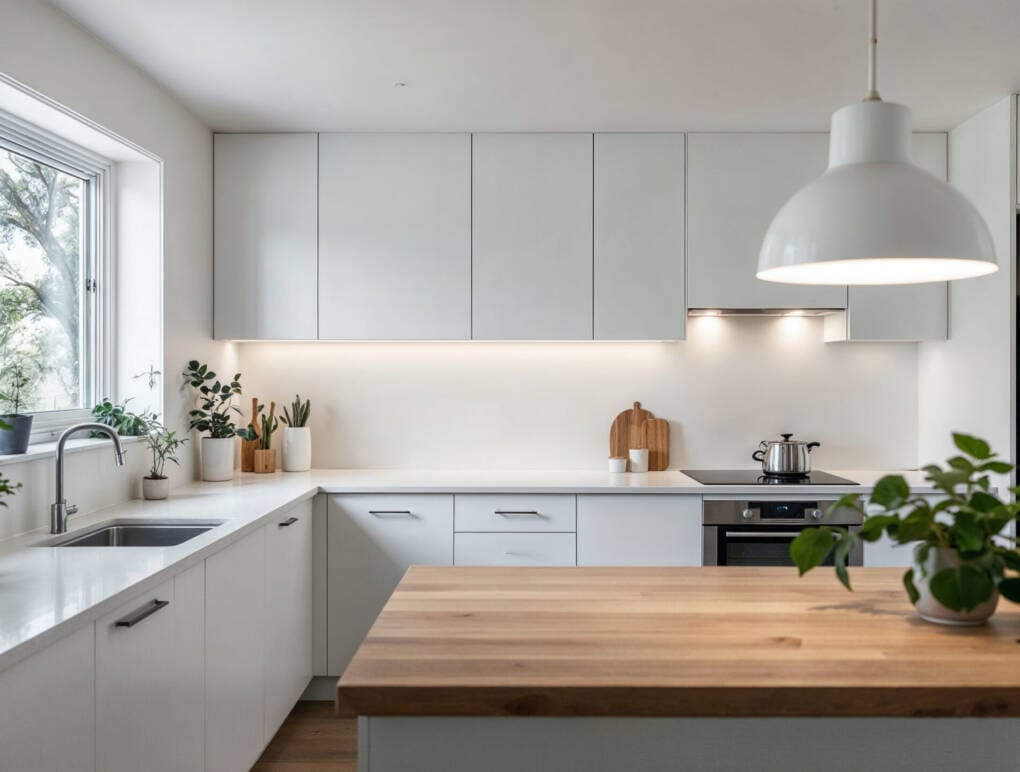
Lighting is one of the most overlooked parts of kitchen design, yet it has a huge impact on how functional the space feels. A kitchen can have the right layout, good storage, and plenty of bench space, but without proper lighting, everyday tasks quickly become frustrating.
A functional kitchen needs more than just a single ceiling light. You want lighting that supports how you actually use the space throughout the day. This usually means a combination of different light sources working together.
When planning kitchen lighting, it helps to think in layers:
- General lighting to evenly light the whole room
- Task lighting in key work areas such as benches, sinks, and cooktops
- Feature or ambient lighting to soften the space and add warmth
Task lighting is especially important. Under-cabinet lighting, for example, makes food prep safer and easier by removing shadows on benchtops. It’s a small detail, but one that makes a noticeable difference in daily use.
Natural light also plays a big role in how a kitchen feels. Windows, skylights, and open-plan designs can make the space feel brighter and more inviting during the day. In my own home, adding extra natural light completely changed how comfortable the kitchen felt, especially during busy mornings and evenings.
Good lighting doesn’t need to be complicated or expensive. When it’s planned properly alongside your layout, storage, and appliances, it helps create a kitchen that’s practical, comfortable, and enjoyable to use at any time of day.
Plan First, Buy Second
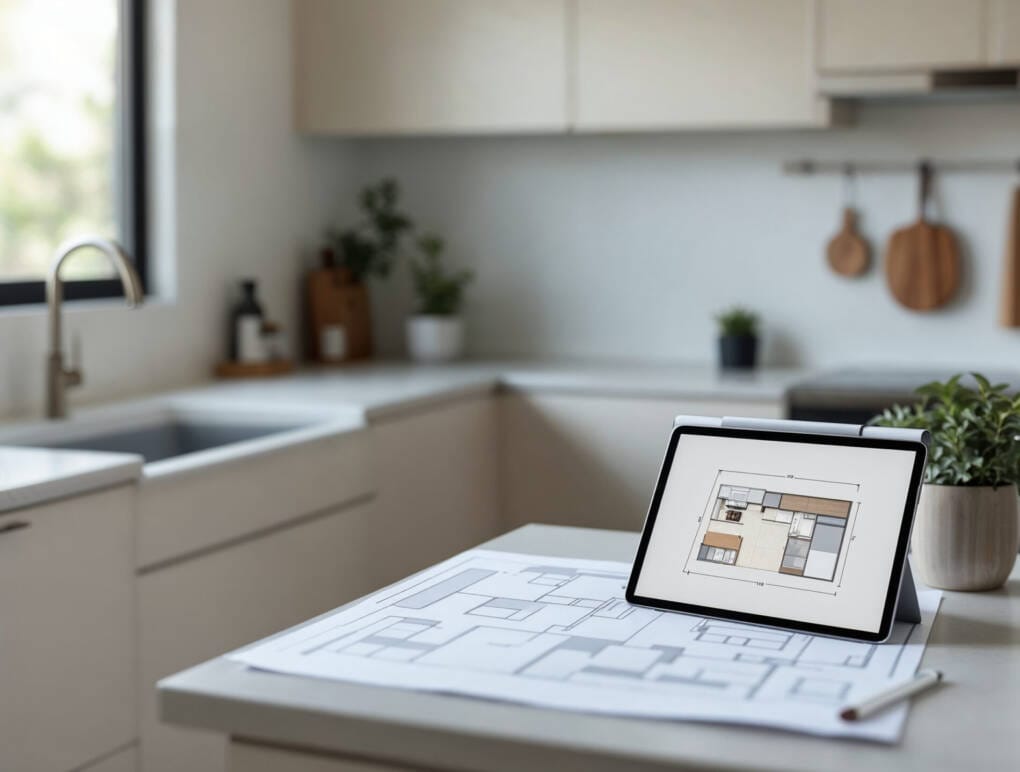
One of the easiest ways to end up with a kitchen that doesn’t quite work is to start buying products before the planning is done. Creating a functional kitchen always starts with a clear plan, not a shopping list.
Taking the time to plan first helps you avoid common mistakes, like kitchen cabinets that don’t fit properly, appliances that crowd your benchtops, or storage that falls short once everything is installed. It also makes budgeting easier, as you’re less likely to make impulse decisions or costly changes halfway through the process.
If you’re planning a kitchen renovation, slowing down can actually save you time and money. Careful measurement, thoughtful layout, and visualising how the space will work day-to-day all help prevent regret later. Even small details, like door clearances and walkway space, are much easier to get right at this stage.
Tools like our free 3D kitchen planner can be useful here. Being able to see your kitchen layout before you buy gives you confidence that everything will fit and function as expected. It also allows you to make early adjustments, when changes are easy and inexpensive.
From my experience, the kitchens that turn out best are always the ones where the planning came first. When you buy with a clear plan in place, the end result feels considered, practical, and built to work long term.
Final Thoughts: A Kitchen That Works Long-Term
If you’re wondering how to design a functional kitchen, it really comes down to making practical decisions that support how you live day to day. It’s not about chasing trends or filling the space with features you don’t actually need — it’s about creating a kitchen that works properly for years to come.
If there’s one takeaway from this guide, it’s this: plan first and keep it simple. Start by understanding how you use your kitchen, choose a layout that suits your space, allow enough storage, and make sure benches, appliances, and lighting all work together. When these fundamentals are right, the kitchen feels easier to use and far more enjoyable long term.
I’ve seen plenty of kitchens over the years, and the ones that stand the test of time all have one thing in common — they were designed with function in mind from the start. They don’t just look good on day one; they still work years later.
Take the time to plan properly, make decisions based on everyday use, and don’t rush the process. A well-planned kitchen rewards you every single day you use it, and that’s what really matters in the long run.
