
PVD Tapware Explained: Durability, Lifespan and What to Know Before Buying
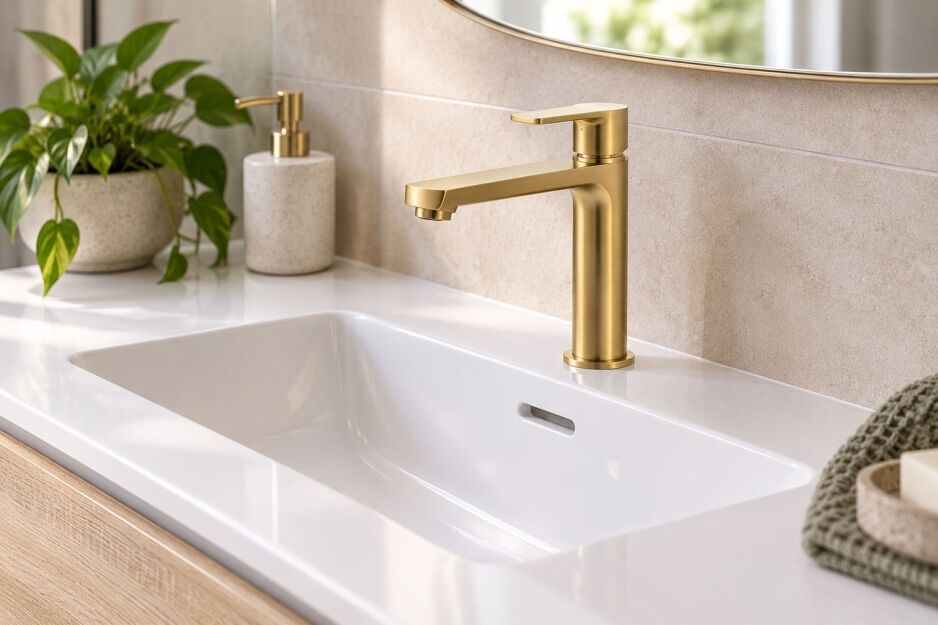
Two coloured basin mixers can look almost identical, yet have very different finishes and warranties. One might be labelled PVD, while the other uses traditional electroplating. So, does that difference really matter?
PVD tapware has become a popular option for homeowners who want coloured finishes that stand up to everyday use. But while PVD coatings can offer excellent durability, they aren’t scratch-proof, and the quality varies between products.
Over the years, I’ve found that customers often focus on getting the right tapware colour, without giving much thought to how that finish is applied or what the warranty actually covers. I always recommend checking both.
If you’re considering PVD for your Perth renovation, it pays to understand what you’re buying. I’ll explain how the coating works, how long it can last, what can damage it and what to check before making your choice.
What Is PVD Tapware and How Does It Work?
PVD tapware uses a thin surface coating applied through a process called Physical Vapour Deposition. Inside a vacuum chamber, coating material is turned into vapour and deposited onto prepared tapware components. The coating forms a decorative, protective finish over the underlying metal, rather than changing what the tap itself is made from.
How the Coating Is Applied
The process starts with the tapware’s base material, usually brass or stainless steel. The surface must be properly prepared so the new coating can bond securely.
Inside the vacuum chamber, the coating material is deposited onto the prepared surface. The result is a thin metallic layer that creates the finished colour and helps protect the surface against everyday wear.
The process is a bit like applying a protective finish to a car: the surface you see is different from the material underneath. But unlike paint, PVD uses a vacuum process to deposit a very thin coating. How well the surface is prepared matters just as much as the finish itself.
That’s why two taps labelled PVD can still differ in quality. The preparation, underlying metal and coating process all play a part in the finished product’s durability.
What Are the Benefits of PVD Tapware?
One of the biggest advantages of PVD is that it can produce attractive metallic finishes with excellent resistance to everyday wear. When the coating is applied properly, it can help coloured tapware keep its appearance for years. But the results still depend on the quality of the product and how it’s looked after.
- Wear resistance. A good PVD coating creates a hard surface that can withstand regular handling and gentle cleaning. That’s useful on kitchen and basin mixers you touch several times a day. PVD tapware durability still depends on coating quality, though. Even a good finish can scratch.
- Corrosion resistance. A well-applied coating can help protect the underlying metal from moisture and corrosion. However, the protection depends on the complete coating system, including proper surface preparation.
- Finish consistency. PVD can produce an even metallic appearance across matching tapware and accessories. It’s a useful advantage if you’re trying to coordinate several fittings in the same bathroom.

My advice is to check that the exact mixer or spout you’re buying has a PVD finish, rather than assuming every colour in a collection uses the same coating. I’d also check the manufacturer’s care instructions before making your choice.
How Long Does PVD Tapware Last?
Good-quality PVD tapware can retain its finish for many years, but there’s no fixed lifespan that applies to every product. The coating’s durability depends on how it’s manufactured, how often the tap is used and how well it’s maintained. I wouldn’t trust a blanket promise that every PVD finish will last 10 or 20 years.
What Affects the Lifespan?
The biggest factor is the quality of the coating itself. Proper surface preparation, a suitable base material and good coating adhesion all help the finish withstand regular use.
Everyday habits matter too. Kitchen mixers generally get more handling than bath spouts, while abrasive cleaning products can damage even a hard-wearing finish.
When I’m comparing taps for a renovation, I look beyond how good they appear in the showroom. The product specifications and care instructions give me a better idea of what to expect after years of use.
Can PVD Scratch, Fade or Come Off?
Yes, PVD coatings can scratch, discolour or wear over time. They’re designed to resist damage, not prevent it completely.
Repeated abrasion, unsuitable chemicals or damage to the coating can affect its appearance. Poor coating adhesion or manufacturing defects can also lead to premature finish failure, although that doesn’t mean peeling is normal for quality PVD tapware.
I also check the finish warranty. A five-year warranty doesn’t mean the coating will fail after five years, and a long cartridge warranty doesn’t promise the finish will last as long. We’ll look at what those warranties cover before choosing a tap.
What Are the Disadvantages of PVD Coating?
PVD has plenty going for it, but there are drawbacks. The main disadvantages of PVD coating are the possible extra cost, limited repair options and differences in quality between manufacturers. I’d weigh those up before paying extra for a particular finish.
- Higher cost. Some PVD finishes cost more than comparable electroplated options because of the coating process involved. That doesn’t mean every PVD tap costs more, though. I’d compare the complete products rather than assume a higher price automatically means better quality.
- Difficult repairs. If a PVD finish gets badly scratched or damaged, you generally can’t restore it with ordinary metal polish. Repair may require specialist treatment or replacing the affected component, depending on the manufacturer’s advice.
- Variable quality. Not all PVD coatings are manufactured to the same standard. Poor surface preparation or coating application can affect how well the finish holds up, regardless of what the label promises.
- Ongoing care. PVD still needs appropriate cleaning. Abrasive pads and unsuitable chemicals can damage the surface, even on a high-quality product.
For me, weighing up PVD tapware pros and cons comes down to what you’re actually buying. A durable coating is useful, but the tap’s construction and warranty deserve just as much attention.
PVD vs Electroplated Tapware: What’s the Difference?
PVD and electroplating are two different methods of applying a finish to tapware. Both can produce attractive, durable surfaces, but the manufacturing process is different. If you’re comparing PVD tapware vs electroplated options, I wouldn’t automatically assume one is better. The quality of the complete product matters just as much as the coating method.
| Feature | PVD Coating | Electroplating |
| How it’s applied | Coating material is deposited onto the surface in a vacuum chamber | Metal layers are deposited using an electrochemical process |
| Durability | Can offer excellent wear and corrosion resistance, depending on coating quality | Can also offer good durability, depending on plating thickness and quality |
| Appearance | Available in a range of decorative metallic finishes | Commonly used for chrome and other metallic finishes |
| Maintenance | Requires cleaning suited to the specific coating | Requires cleaning suited to the specific plated finish |
| What to check | PVD specification and finish warranty | Plating quality and finish warranty |
Powder coating is different again. It applies a coating that is then cured, rather than depositing metal in a vacuum or using an electroplating bath.
For everyday homeowners, I think the most useful comparison is between two actual products, not just their finishes. A well-made electroplated mixer can be a better purchase than poorly manufactured PVD tapware.
If you’re more interested in how different colours look and work together, I’ve covered that separately in our guide to tapware finishes. Once you’ve settled on a finish, caring for it properly is the next consideration.
How to Care for PVD Tapware in Perth Homes
Even the best PVD finish needs a little care, particularly where water spots and mineral deposits are concerned. If you’ve noticed white marks around your basin mixer or kitchen tap, don’t automatically assume the coating is deteriorating. Often, it’s simply residue left behind when water evaporates.
Managing Water Spots and Mineral Build-Up
According to Water Corporation, hard water contains calcium and magnesium minerals that can leave deposits on household surfaces. Water hardness varies across WA, so not every Perth home will experience the same level of build-up.
I always recommend wiping coloured tapware dry with a soft microfibre cloth after use, particularly around the base of the mixer and spout. It’s a quick habit that can help stop water spots from building up.
The bigger mistake is reaching for a strong cleaner when marks become stubborn. Vinegar, acidic descalers, abrasive pads and harsh chemicals aren’t automatically safe for PVD finishes. Always check the manufacturer’s care instructions before using them.
For more practical maintenance advice, I’ve covered the basics in our guide on how to clean tapware.
A little regular care can make a difference, but the finish itself is only one part of choosing quality tapware.
What to Check Before Buying PVD Tapware
Two mixers might have the same brushed gold finish, but that doesn’t mean they’re built the same way or carry the same warranty. I always recommend looking beyond the colour. These five checks will help you choose PVD tapware with confidence.
- Confirm the exact PVD finish: Don’t assume every tap in a collection uses PVD. We stock PVD options across our Sky, Opal, Bianca, Mecca and Loui ranges, but you should check the finish specifications for the exact model and colour you’re buying.
- Check the tap’s construction: Look at the base material, cartridge and other specifications. A quality PVD tapware finish is worth having, but it won’t compensate for poor construction underneath.
- Read the finish warranty separately: A tap’s body, cartridge and coloured finish may have different warranty terms. Our Sky range, for example, has separate provisions for selected PVD finishes. Nero also has product-specific residential warranty terms for ranges such as Opal and Bianca. Check the current warranty document for the exact model, finish and purchase date. A longer warranty isn’t proof that one coating lasts longer than another.
- Understand the care requirements: Read the manufacturer’s cleaning instructions and warranty exclusions. Check whether the finish has restrictions relating to cleaning chemicals, outdoor exposure or particular water conditions.
- Check Australian compliance: WaterMark and WELS cover different requirements. WaterMark certification relates to plumbing product compliance, while WELS ratings measure water efficiency. Neither tells you how durable a PVD coating will be.
I’ve spent enough time comparing tapware for renovations to know that a product’s specifications and warranty can tell you far more than its colour. And remember, your rights under Australian Consumer Law apply in addition to any manufacturer’s warranty.
For a practical starting point, compare our Sky brushed nickel tapware options and check the individual product details before deciding.
Frequently Asked Questions
PVD finishes raise a few practical questions, particularly around damage, cleaning and long-term appearance. Here are some answers to help you understand what to expect.
Is PVD Tapware Worth It for Your Perth Renovation?
I think PVD tapware is well worth considering if you love coloured finishes but also want something that can stand up to regular use. A quality PVD coating offers good resistance to everyday wear, although it still needs proper care. And as we’ve covered, the coating is only part of what makes a good tap.
For my own renovations, I’d rather choose a well-made tap with a reliable cartridge and a clearly explained finish warranty than buy purely on colour. It’s the sort of decision that pays off long after the bathroom or kitchen looks new.
We stock PVD options across our Sky, Opal, Bianca, Mecca and Loui ranges, giving Perth homeowners plenty of choice for both bathrooms and kitchens.
If you’re ready to compare options, browse our tapware range online or visit our Guildford showroom. We can help you check the finish, specifications and warranty on the actual model you’re considering.
