
Single vs. Double Basin Vanities: Which One Is Right for You?
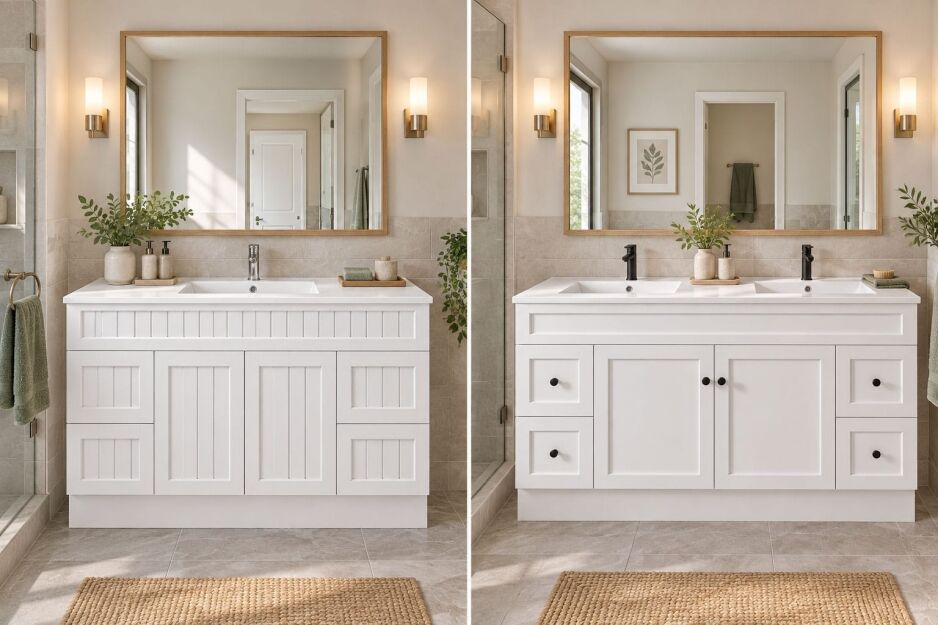
Choosing a single vs double vanity is less about which one looks better and more about how your bathroom actually gets used. A second basin can be useful in a shared bathroom, but it also takes up vanity-top space and usually means extra pipework. A single basin can leave you with more usable surface area, even on a wide vanity.
I often see Perth homeowners start with the vanity width. I think the better question is whether two people actually need to use the basin at the same time. A 1500mm vanity does not automatically need two basins.
This guide compares one basin and two basins across space, storage, daily use, plumbing and cost, so you can choose the setup that makes sense for your bathroom and household.
Single Sink vs Double Sink Bathroom: Quick Comparison
In a single sink vs double sink bathroom, the main difference is how the vanity gets shared. A single basin vanity gives one user more uninterrupted surface area and usually keeps the installation simpler. A double basin vanity lets two people use the vanity at once, but the second basin, mixer and waste take up room. The better choice depends on how the bathroom is used every day.
| Feature | Single Basin Vanity | Double Basin Vanity |
| Space requirements | Works across compact and larger vanity widths. One basin can leave more usable vanity-top space within the same cabinet width. | Needs enough width for two basins, two mixers and comfortable spacing between users. |
| Simultaneous use | One person uses the basin at a time. | Two people can use the basin area at the same time. |
| Vanity-top space | Usually gives you more uninterrupted surface area, especially on a wider cabinet. | Two basins take up more of the vanity top, leaving less clear space between and beside them. |
| Storage | Storage depends on cabinet design, drawer layout and basin position. One set of connections can leave more flexibility inside the cabinet. | Storage also depends on cabinet design. Two wastes and extra pipework can reduce usable internal cabinet space. |
| Plumbing | One basin, one waste and one mixer generally make the installation simpler. | Two basins need additional connections, wastes and usually two mixers. |
| Installation cost | Usually lower because there are fewer fixtures and fittings to install. | Usually higher because the second basin adds tapware, plumbing and installation work. |
| Cleaning | One basin and mixer mean fewer fixtures and edges to clean. | Two basins and mixers create more surfaces to wipe down and maintain. |
| Best suited to | Small bathrooms, powder rooms, guest bathrooms, single users and anyone who values extra vanity-top space. | Shared bathrooms where two people regularly need to use the vanity at the same time and there is enough room for both users. |
I would not choose between a single or double vanity based on cabinet width alone. Look at who uses the room, when they use it and how much bench space they need.
Single vs Double Vanity: Which Option Is Better?
A single basin vanity will suit some bathrooms better, while a two-basin setup will make more sense in others. It comes down to how the bathroom is used and what matters most to you.
One basin usually works better if you want more clear surface area, simpler installation, easier cleaning or a lower overall project cost. It can also be the better choice where one person uses the vanity at a time, even if the cabinet is quite wide.
A double setup is worth considering if two people regularly need to use the vanity together. That can make a shared bathroom easier to use, but only if the room has enough space and you are happy to give up some vanity-top area.
I always look at daily habits before vanity size. That usually tells you more than the cabinet width ever will.
What Is a Single Basin Vanity?

A single basin vanity has one basin set into or positioned on the vanity top. It can work across a wide range of bathroom sizes, from compact powder rooms through to larger family bathrooms and ensuites.
In a single vs double basin vanity comparison, the big difference is how much usable surface area you keep around that one basin. On a wider vanity, the extra room around the sink can be more useful than adding a second bowl, especially if only one person normally uses it at a time.
One basin also means one waste and one mixer, which can make the layout easier to plan and leave more flexibility inside the cabinet for drawers or storage.
Benefits of a Single Basin Vanity
A single basin vanity can be a really practical choice, even in a bathroom with plenty of room. One basin leaves more usable vanity-top space, which makes a big difference if you like having room for everyday items without everything crowding the sink.
The main benefits are:
- More usable surface area: One basin leaves more uninterrupted room around the sink.
- Simpler installation: You only need one basin waste and one mixer, which can help keep installation costs down.
- Easier cleaning: There are fewer fixtures, edges and basin surrounds to wipe around.
- More flexibility in wider vanities: If two people rarely use the basin at the same time, one basin can give a long cabinet a more useful layout.
- A good fit for smaller rooms: One basin can help keep the vanity area from feeling crowded.
In one of my investment properties, I fitted a long vanity with a single offset basin in the main bathroom. The tenants were mostly couples who worked different hours, and that long run of clear bench space got more positive comments at inspections than anything else in the room. A second bowl would have cost more to plumb and given them less space for no real benefit.
Considerations Before Choosing a Single Basin Vanity
A single basin vanity can work very well, but there are a few practical things to think through first. The biggest is how many people actually need the basin at the same time.
Only One Person Can Use the Basin at a Time
If two people are regularly getting ready together, one basin can become a bottleneck. For a couple who use the bathroom at different times, that may never be an issue. For a busy family bathroom, it can matter a lot more.
Storage Depends on the Cabinet Layout
One basin does not automatically mean less storage. Usable storage depends on the cabinet design, drawer layout, basin position and where the water and waste connections sit.
A well-planned single-basin cabinet can leave more flexibility for drawers or cupboards than a two-basin layout with extra pipework underneath.
Basin Position Affects Surface Area and Storage
Where the basin sits across the vanity top makes a difference. A centred basin gives you usable space on both sides, while an offset basin can create a larger clear area on one side.
The basin position can also affect drawers and storage underneath, so I always look at the whole cabinet layout rather than the vanity width alone.
Daily Routine Matters More Than Vanity Width Alone
This is the part I would put the most weight on. A wide vanity does not automatically need a second basin.
If only one person normally uses the vanity at a time, the extra surface area from a single basin may be far more useful than a second bowl. If two people are constantly competing for the sink, that is where a double setup starts to make more sense.
When a Single Basin Vanity Makes More Sense
A single basin vanity makes the most sense when you value usable surface area, simpler connections or a more compact layout over having two people at the sink at once.
It is often the better fit for:
- Small bathrooms where every bit of floor and wall space matters. If you’re fitting a vanity into a tight room, see the best bathroom vanities for small bathrooms.
- Powder rooms and guest bathrooms that are usually used by one person at a time. Our roundup of compact powder room vanities covers options that suit these smaller spaces.
- Couples who share a bathroom but rarely need the basin at the same time.
- Larger vanities where extra vanity-top space is more useful than a second bowl.
- Renovations where keeping the existing water and waste connections simple can help control costs.
I would also choose one basin over two if the second basin was only being added because there was room for it. If nobody is likely to use both at once, that space can often work harder as clear surface area or storage.
What Is a Double Basin Vanity?
A double basin vanity has two basins on one vanity top, where a single basin vanity has one. That gives two people their own basin area to use at the same time.
Compared with a single basin vanity, this layout needs more room across the vanity top and usually involves extra water and waste connections. You will generally have two wastes and two mixers so each basin can be used independently.
The trade-off is usable surface area. A second basin takes up more of the vanity top, so you usually have less uninterrupted room between and around the bowls than you would with one basin in the same overall width.
That is why I see a double setup as a practical choice for shared bathrooms rather than an automatic pick for a wide cabinet. If two people actually use the space together, the second basin can be worthwhile. If they do not, the extra surface area may be more useful.
Benefits of a Double Basin Vanity
This layout is most useful when two people regularly need to use the bathroom at the same time. In that situation, the second basin can make the room easier to share and cut down on the usual morning shuffle around one sink.
The main benefits are:
- Simultaneous use: Two people can use the vanity at the same time, which can make shared routines easier.
- Separate basin areas: Each person gets their own space, which can help keep everyday items more organised.
- Suits busy shared rooms: It can work well in family bathrooms and shared ensuites where simultaneous use is common.
- Clearer personal zones: The layout can create a defined area around each basin, especially on a wider vanity.
- Practical for matching schedules: For households that all get ready at once, the second basin can be a good use of the available width.
When we redid our own family bathroom, our kids were teenagers and three of us were trying to get ready in the same half hour every morning. Putting in two basins ended the queue almost overnight. Now the kids have moved out, I would probably go back to one basin and enjoy the extra bench space, which shows how much the right answer depends on the stage your household is at.
Considerations Before Choosing a Double Basin Vanity
This setup can work really well in a shared bathroom, but it needs more planning than simply choosing a wider cabinet. The second basin affects usable surface area, plumbing, storage and overall cost, so I would check all of those before committing.
Two Basins Need Enough Usable Width
The vanity needs enough room for both basins, but cabinet width is only part of the equation. You also need usable space around each basin and enough room for two people to stand there comfortably.
A good test is to stand at the vanity wall with the person you share with and mimic your morning routine. If you are bumping elbows or reaching across each other, a double setup will feel cramped in everyday use, even if the cabinet technically fits two bowls.
Plumbing and Tapware Costs Increase
Two basins usually mean two mixers, two wastes and additional plumbing connections. In a renovation, changing from one basin to two may also mean altering the existing water supply or waste.
In WA, most water supply, sanitary and drainage plumbing work must be carried out by a licensed plumber or permit-holder. That is worth allowing for before you lock in the layout.
You Give Up Some Vanity-Top Space
This is one of the biggest trade-offs. A second basin takes up room that could otherwise be used for toiletries, hair tools or simply a clearer vanity top.
If clear surface area matters a lot to you, compare both configurations before deciding.
Two Basins Do Not Automatically Mean More Storage
A wider cabinet can provide more storage, but a second basin also needs extra pipework underneath. Depending on the cabinet design, that can reduce the usable space inside drawers or cupboards.
I always look at the internal layout rather than assuming a double setup will automatically give you more storage.
Ask Whether You Will Actually Use Both Basins
This is the question I would come back to. If two people regularly need the vanity at the same time, the second basin can make a real difference.
If that rarely happens, you may get more day-to-day value from the extra surface area and simpler setup of one basin.
When a Double Basin Vanity Makes More Sense
A two-basin layout makes the most sense when two people regularly need to use the bathroom at the same time and there is enough room for both to use the vanity comfortably.
It is often a good fit for:
- Couples with similar morning or evening routines who would otherwise be waiting for the basin.
- Family bathrooms where two people often need to get ready at once.
- Larger shared ensuites with enough wall space for two basins without making the room feel crowded.
- Bathrooms where simultaneous use matters more than having one large stretch of clear vanity-top space.
- Households that will use both basins often enough to justify the extra connections and reduced surface area.
This is where I draw the line. A second basin should make the bathroom work better for the people using it, not just fill the available width.
If you have decided that two basins suit the way your household uses the bathroom, you can compare our double vanity options after checking the space and plumbing requirements.
How to Decide Between One Basin and Two
If you are still weighing up a single vs double bowl vanity, focus on how the bathroom is used every day rather than the cabinet width alone.
Think About Who Uses the Basin at the Same Time
The key question is not how many people live in the house. It is how often two people actually need the basin together.
A couple with different routines may be perfectly happy with one basin. A family sharing the bathroom during the morning rush may get far more value from two.
Decide How Much Vanity-Top Space You Want
A second basin gives you simultaneous use, but it also takes up more of the vanity top.
If you regularly use hair tools, skincare products or other everyday items at the vanity, that clear surface can be valuable. One basin can leave you with a generous stretch of usable space.
Consider the Plumbing and Extra Cost
If the bathroom already has connections for one basin, adding a second may mean extra plumbing work, another waste and another mixer.
That does not make a double setup a bad choice. It just means the added cost needs to be worth the benefit you will actually get from using both basins.
Let Your Daily Routine Make the Decision
For me, this is usually where the answer becomes clear.
If two people regularly need the basin together, a second basin can make the bathroom easier to use. If they do not, the extra surface area and simpler setup of one basin may be more useful every day.
Single vs Double Vanity FAQs
So, Should You Choose One Basin or Two?
Choose a single basin if you value more usable surface area, simpler plumbing and a setup that works well for one user at a time. Choose two basins if two people regularly need to use the vanity together and the room has enough space to make that practical.
I would not let vanity width make the decision for you. A larger cabinet can work just as well with one basin if the extra vanity-top space suits the way you use the bathroom.
The best choice is the one that makes everyday routines easier without adding plumbing, cost or a second basin you do not really need.
Once you know which setup suits your bathroom, you can compare our bathroom vanities online or visit our Guildford showroom at 57 James Street to see the options in person.
