
Porcelain vs Marble Tile: Which Is Better?
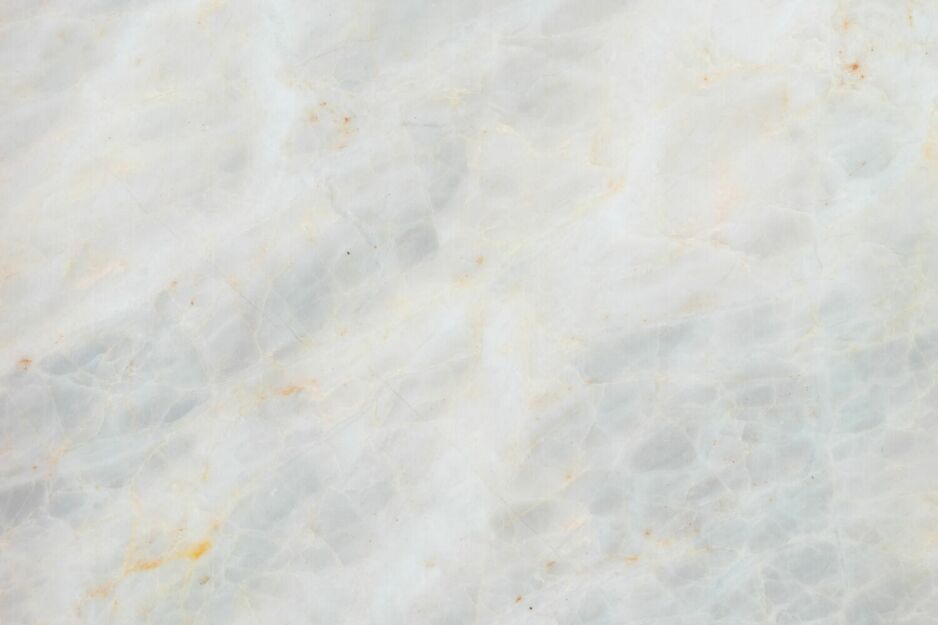
Choosing between marble floor tiles and porcelain floor tiles is not simply a choice between luxury and budget. The main difference between marble and porcelain is how each material is made. Genuine marble is quarried natural stone with unique veining and more demanding care. Porcelain is made from clay and other mineral materials fired at high temperatures, creating a dense manufactured tile available in marble, stone, concrete and other finishes.
At our Guildford showroom, I often meet customers who assume every marble-patterned tile is genuine marble. Once we turn a sample over and compare its construction, print faces and care instructions, the difference becomes much clearer. Ross’s sells porcelain and ceramic marble-look tiles, not genuine natural marble.
If you are comparing marble vs porcelain tile for a floor, bathroom or wider renovation, the best choice depends on appearance, application, durability, maintenance, installation and total project cost. This guide explains each difference and helps you choose suitable floor tiles without assuming one material suits every home.
Marble Tile vs. Porcelain Tile: A Comprehensive Comparison
| Feature | Natural Marble Tiles | Porcelain Floor Tiles |
| Looks | Unique natural veining; batch variation is expected | Controlled manufactured designs, including convincing marble looks |
| Functionality | Can suit walls and floors; confirm the stone, finish, slip rating and location | Many wall, floor, wet-area and outdoor options; check each product’s rating |
| Ease of Installation | May need batch blending, stone-compatible materials and specialist cutting | Consistent sizing, but dense or large-format products can be difficult to cut |
| Maintenance | Needs stone-safe cleaning; some products need sealing | Usually simple routine care; grout and specialised finishes still need attention |
| Resistance to Cracking | Can crack or chip; stone type, impact, substrate and installation matter | Can crack or chip; impact, substrate, movement joints and installation matter |
| Impact on Resale Value | May appeal to some buyers but does not guarantee a higher sale price | Can support a quality renovation but does not guarantee a return |
| Cost | Usually higher and less predictable once material and installation are included | Usually lower than genuine marble; size, finish and installation affect the total |
Which is the better choice?
For most busy Perth homes, porcelain floor tiles are usually the more practical choice because they offer low water absorption, straightforward care and a broad choice of floor-rated products. Natural marble floor tiles may be the better choice when authentic veining and the character of real stone matter more than predictable colour, simpler maintenance and cost.
Neither answer is automatic. The selected marble or porcelain tile still needs to suit the surface, wet-area conditions, slip requirements and installation system.
Looks
Natural marble offers one-off veining, mineral markings and tonal changes. No two pieces are identical, and the delivered batch may vary from the sample. That genuine variation is the main reason some homeowners prefer real marble. Porcelain gives you more control over colour and pattern. Modern printing can produce convincing marble looks, although repeated faces may become obvious if the layout is not planned. If appearance is your main concern, our marble-look tiles vs natural marble guide explains that distinction in more detail.
Functionality
Both marble tiles and porcelain tiles can work on walls and floors when the exact product is rated for that surface. For most busy bathrooms, porcelain is usually the easier option because of its low water absorption and simpler care. That does not make every porcelain product suitable for a bathroom, shower floor or outdoor area, so check its intended use, finish and slip rating. Natural marble can also work in bathrooms, but suitability varies by stone and finish. Some marble can stain or etch, and a polished finish may be unsuitable underfoot when wet. In any wet area, the tile remains a finish over a correctly designed waterproofing system.
Ease of installation
Natural marble tiles are not automatically easier to install than porcelain tiles. Both require a flat, stable substrate, suitable adhesive, adequate coverage and properly planned movement joints. Marble may need batch blending, stone-compatible materials, specialist cutting and sealing at the stage advised by the supplier. Porcelain has more consistent dimensions, but its density and large formats can make cutting and handling difficult. An experienced DIYer may manage a straightforward job, while complex layouts, large tiles and natural stone are better assessed by a qualified tiler.
Maintenance requirements
Natural marble tiles generally need more careful maintenance. Wipe spills promptly and use a cleaner suitable for the stone. Acidic products, including vinegar and some bathroom cleaners, can etch calcite-based marble. Some marble requires sealing, but a sealer improves stain resistance rather than making the stone stain-proof. Follow the supplier’s schedule and the Natural Stone Institute’s natural stone care guidance. Porcelain tiles are usually simpler to clean, but they still need routine care. Grout, textured finishes and unglazed products may have their own cleaning requirements.
Resistance to cracking
Neither marble tiles nor porcelain tiles are damage-proof, and there is no reliable rule that marble resists cracking better. Either material can crack or chip after a heavy impact. Substrate movement, voids beneath the tile, tile thickness, movement-joint design and installation quality also affect performance. Keep a few spare floor tiles from the original batch because matching either natural variation or an older manufactured design can be difficult later.
Impact on resale value
Neither marble nor porcelain guarantees a higher resale value. Genuine marble may appeal to buyers who value natural materials and a premium finish, but worn, etched or poorly selected stone can have the opposite effect. Well-chosen porcelain flooring can also support a quality renovation when it suits the home and is installed properly. Resale depends on the overall design, condition, workmanship and local market, so choose the material for the project rather than relying on a promised return.
Cost
Porcelain floor tiles are generally cheaper than natural marble floor tiles once material and installation costs are compared. Genuine marble pricing varies by variety, grade, thickness, finish, size and origin. Batch sorting, specialist cutting, substrate work, sealing and extra waste can increase the installed price. Porcelain pricing also changes with format and finish, but the material and labour costs are usually more predictable. Compare complete quotes that include preparation, delivery, adhesive, grout, cutting, labour and waste.
Porcelain and Marble-Look Tiles in Perth
Ross’s sells porcelain tiles and marble-look tiles made from ceramic or porcelain. We do not sell genuine marble. Our current marble-look tile range generally costs $40–$70/m², depending on the design, size and finish. Check the live product specification for floor, wall, wet-area or outdoor suitability before ordering.
I remember a couple comparing tiles for a kitchen and adjoining living area. They first asked for real marble, but they wanted simple cleaning and predictable replacement costs for a busy family floor. After checking the floor rating and laying several print faces together, they chose marble-look porcelain because it matched how they lived, not because natural marble was a poor material.
Conclusion
The marble vs porcelain tile decision comes down to priorities. Choose natural marble if unique stone variation matters most and you accept its care, installation and less predictable cost. Choose porcelain if you want a practical floor or wall tile with controlled appearance, low water absorption and generally simpler maintenance. In either case, confirm that the specific product and finish suit the surface.
For most busy Perth homes, I recommend a suitable porcelain tile where easy care and budget certainty are priorities. Visit our Guildford showroom to compare finishes and product ratings, or browse marble-look tiles online. Perth Metro delivery is available for a flat $100.
