
Tile Edge Types Explained: Pressed vs Rectified Tiles for Your Home
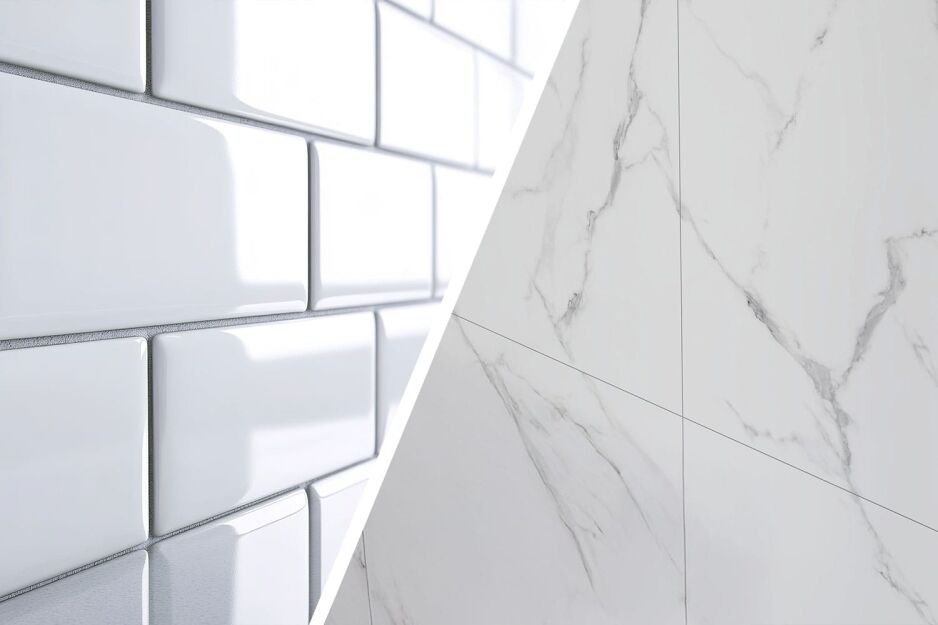
When you’re planning your next tiling project, knowing your tile edge types is one of the most important steps in getting the look you want. Whether you’re comparing a pressed edge tile to a rectified tile, the edge you choose will make a real difference—not just to the final style, but also to how the tiles go down, how much you spend, and even how wide your grout lines will be.
In this guide, I’ll break down exactly what makes pressed and rectified tile edges different, and why that matters for Perth homeowners, renovators, and anyone who wants a quality finish that lasts. With decades of experience behind the counter at Ross’s Discount Home Centre, I’ve seen how the right advice can make all the difference. If you’re looking for a practical guide to help you choose the best tiles for your project, you’re in the right place.
Tile Edge Types Overview
There’s a lot to think about when you’re choosing tiles for your home. Of course, there’s the design, finish, and size—(and if you want to know more about those, I’ve written about tile finishes and tile sizes as well)—but one often overlooked consideration is the tile edge. Tile edge types might not sound exciting, but they have a real impact on the way your tiling looks and performs once it’s down.
In simple terms, there are only two main tile edge types you’ll need to know about:
- Pressed edge tiles (sometimes called cushioned edge, rounded edge, or unrectified tiles)
- Rectified tiles (sometimes called sharp edge, machine-cut, or rectified edge tiles)
To make it easier, here’s a quick reference for the most common industry terms you’ll see:
| Group | Also Called |
| Pressed Edge Tiles | Cushioned Edge, Rounded Edge, Non Or Unrectified, Pillow Edge |
| Rectified Tiles | Rectified Edge, Machine-Cut, Sharp Edge |
cushioned) or mechanically trimmed for a straighter finish (rectified). Most other terms you’ll come across fit into one of these two categories.
TL;DR: There are only two real tile edge types to choose from—pressed/cushioned (rounded) and rectified (sharp/square). All the industry lingo comes down to this simple choice.
What Are Pressed Edge Tiles? (Cushioned, Rounded, Non-Rectified, Pillow Edge)

When you see a tile described as a pressed edge tile, a cushioned edge tile, a pillow edge tile, or even a unrectified tile, you’re actually looking at different names for the same thing. These terms all refer to tiles with slightly rounded or curved edges—sometimes you’ll also hear them called rounded edge tiles. “Pillow edge” is just a specific style of pressed edge with a slightly more pronounced, raised curve along the edge. It’s a bit of industry jargon that can be confusing, but in practice, they’re all pressed edge tiles.
How Are Pressed Edge Tiles Made?
Pressed edge tiles get their name from the way they’re manufactured. The tiles are pressed into a mould during production, naturally giving them their softer, slightly uneven edge. You’ll notice the difference if you put a pressed edge tile next to a rectified tile—the pressed tile will always have a gentler, more forgiving edge.
The Look and Feel of Pressed Edge Tiles
Because of this process, pressed edge tiles create a classic, traditional look once they’re laid. They’re very popular for everyday home renovations and are often used in kitchens, laundry rooms, and anywhere you’re after a relaxed or timeless style. You’ll also find pressed edge tiles in a huge range of ceramic tiles, which are generally more affordable and easy to work with—especially if you’re planning a bit of DIY.
One thing to keep in mind is grout spacing. Because these tiles can have small size variations and curved edges, they generally need wider grout joints, often around 3–5mm. The final width should follow the tile manufacturer’s guidance and your installer’s assessment. Wider joints also give the tiled area a softer, more traditional look.
Pros and Cons of Pressed Edge Tiles
Here’s a quick breakdown of why you might choose pressed edge tiles—and what to consider:
| Pros | Cons |
| More forgiving to lay | Require wider grout lines (3–5mm) |
| Cost-effective (often cheaper) | Not as precise in appearance |
| Great for DIY and small jobs | Can look dated in ultra-modern designs |
| Perfect for classic/traditional looks | Less suited to very large tiles |
TL;DR: Pressed edge tiles (also called cushioned or rounded edge tiles) are traditional, forgiving, and well suited to budget-friendly, classic, or experienced DIY projects. They generally need wider grout joints and create a softer finish.
What Are Rectified Tiles? (Rectified Edge Tiles/Cut Square Edges)

If you’ve come across a tile described as a rectified tile, rectified edge tile, or a tile with rectified edges, you’re looking at a tile that has been mechanically trimmed after firing. Rectification creates straighter edges and more consistent dimensions, although normal manufacturing tolerances still apply.
How Are Rectified Tiles Made?
Unlike pressed or cushioned edge tiles, rectified tiles go through an extra step after firing. A machine trims the edges to create a straighter, squarer profile and more consistent sizing. This allows installers to use narrower, more uniform grout joints where the product specifications permit. At Ross’s, we stock rectified tiles in porcelain and large formats for customers who want a clean, modern finish.
The Look and Feel of Rectified Tiles
Rectified tiles are all about precision. Their straighter edges often allow narrower grout joints, sometimes around 1.5–2mm where the manufacturer and installer recommend it. This creates a clean finish with less visible grout. Rectification is particularly useful with large-format tiles, where consistent edges and careful alignment have a strong visual impact.
Because their dimensions are more consistent, rectified tiles tend to suit modern, minimalist, or high-end projects. If you want a crisp, architectural look with less visible grout, they are a strong option.
Pros and Cons of Rectified Tiles
Here’s what to keep in mind when you’re considering rectified tiles:
| Pros | Cons |
| Ultra-modern, designer look | Usually more expensive than pressed tiles |
| Minimal grout lines for a seamless finish | Less forgiving—shows up installation mistakes |
| Perfect sizing and alignment | Harder for DIY, best left to experienced tilers |
| Ideal for large format and porcelain tiles | Sharp edges can chip if handled roughly |
TL;DR: Rectified tiles are mechanically trimmed for straighter edges and more consistent sizing. They suit large-format and modern projects, but their narrower joints demand careful substrate preparation and accurate installation.
Comparison Table: Pressed vs Rectified Tiles

If you’re still tossing up between a pressed edge tile and a rectified tile, a side-by-side comparison is the best way to see what really sets these tile edge types apart. Below, I’ve put together a simple table that shows the key differences—from edge shape and grout joint width to cost, installation, and where each type works best. As someone who’s helped countless Perth homeowners choose tiles at Ross’s Discount Home Centre, I know how handy this sort of quick comparison can be.
| Feature | Pressed Edge Tile (Cushioned/unrectified) | Rectified Tile (Cut/Square Edge) |
| Edge Shape | Slightly rounded, softer | Sharp, perfectly square |
| Size Consistency | Minor variations, less precise | Extremely consistent, machine-cut |
| Grout Joint Width | 3–5mm (wider joints) | 1.5–2mm (narrow joints) |
| Visual Style | Classic, traditional, or rustic | Sleek, modern, seamless |
| Installation | Easier, forgiving for DIY | Needs a skilled tiler, shows mistakes |
| Cost | Generally more affordable | Usually costs more (plus higher labour) |
| Best Applications | Everyday renos, kitchens, budget, DIY, classic styles | Designer bathrooms, feature walls, modern or luxury spaces |
| Quick Verdict | Best for traditional looks, easy install | Best for modern, seamless finishes |
When comparing rectified vs. unrectified tiles, it’s easy to see why so many Perth renovators come to Ross asking about tile edge types. Pressed edge tiles give you a forgiving, classic look that suits everyday projects and budgets. Rectified tiles, on the other hand, are all about that high-end, contemporary style with those crisp, narrow grout lines—but they do take a bit more care to install. If you’re still not sure, keep reading for a deeper dive into when and where each type really shines.
TL;DR:
- Use pressed edge tiles for classic, budget-friendly, or DIY projects.
- Go for rectified tiles if you want a modern, seamless finish with minimal grout.
Feature-by-Feature Comparison (Breakdown by Subheading)
Let’s take a closer look at each feature that separates pressed edge tiles from rectified tiles. While the comparison table is great for a quick overview, understanding how these differences actually play out in your bathroom, kitchen, or living space will help you make the right call. Here’s what I’ve noticed over the years working with customers at Ross’s Discount Home Centre—and what you should consider for your project.
Edge Shape and Visual Impact
The shape of your tile’s edge really does set the tone for your whole space. Pressed edge tiles come with that classic, slightly rounded edge, which gives your tiled area a softer, more traditional finish. You’ll often see these in older homes or renovations that are aiming for a timeless look. They’re also a bit more forgiving if your walls or floors aren’t perfectly flat.
Rectified tiles, on the other hand, have crisp, straight edges. When laid with a suitable joint width, the grout lines appear less prominent and create a more continuous surface. This style suits modern bathrooms, kitchens and open-plan living areas, and it remains popular with Perth homeowners who want a clean architectural finish.
TL;DR: If you want a modern, seamless vibe, go for square edges (rectified). For a softer, traditional style, stick with rounded (pressed) edges.
Size Accuracy and Tile Spacing
How your tiles are made directly affects how tightly you can lay them. Pressed edge tiles, thanks to their moulded manufacturing process, tend to have tiny size variations from tile to tile. This means you need to leave a bit of extra space—usually 3–5mm—between each tile to keep your grout lines straight and your overall layout looking good.
Rectified tiles are all about precision. Manufacturers machine-cut the tiles after firing to create straighter edges and more consistent dimensions. This often allows narrower grout joints, sometimes around 1.5–2mm where the tile manufacturer and installer recommend it. If you want a clean, contemporary finish with less visible grout, rectified tiles are a strong choice.
That consistent sizing also helps with large-format tiles and modular layouts that combine different tile sizes. The grout joints are easier to align across the pattern, while any variation between adjoining tiles is less likely to disrupt the finished layout.
TL;DR: Pressed edge tiles need wider grout lines to cover size variations. Rectified tiles are made for tight, consistent spacing and that ultra-modern look.
Grout Lines and Installation
Grout lines affect both the finished look and the quality of the installation. Pressed edge tiles use wider grout joints, which give installers more room to manage small size variations and slight inconsistencies during installation. They can be more forgiving for experienced DIYers, although good preparation and careful setting still matter.
Wider joints also make the grout a more visible part of the finished design. A closely matched grout colour creates a quieter look, while a contrasting colour makes the tile pattern more noticeable. Wider joints leave more exposed grout to maintain, so colour choice and proper care both matter. My guide on how to choose grout colour explains how matching and contrasting colours affect the finished result.
Rectified tiles demand greater accuracy. Narrow joints leave less room to compensate for an uneven wall or floor, so the substrate needs to be properly prepared and flat. This is especially important with large-format rectified tiles, where differences between adjoining edges become easier to see.
Careful alignment also helps control lippage, which occurs when one tile edge sits higher than the next. For that reason, I usually recommend professional installation for rectified tiles unless you have solid tiling experience. Our How to Install Bathroom Tiles article is a useful starting point for understanding the process, but rectified tiles allow very little room for error.
TL;DR: Rectified tiles look amazing with thin grout, but need a steady, experienced hand. Pressed edge tiles are easier for DIYers and can help hide minor mistakes.
Cost, Availability & Installation Difficulty
Cost and availability are big factors for many of our customers. Pressed edge tiles are often more affordable up front, especially in ceramic ranges, with selected tiles starting from $10 per square metre at the time of writing. Their wider joints can make installation more forgiving, although labour costs still depend on the tile size, pattern, substrate preparation and the individual job.
Rectified tiles can cost more because of the additional machining, and installation may also take more preparation and skill. Selected rectified tiles at Ross’s start from around $25 per square metre at the time of writing. They are a strong choice for a clean, contemporary finish, especially in porcelain and large-format designs.
TL;DR: Pressed edge tiles are budget-friendly and easier to install. Rectified tiles are pricier and best left to the pros, but deliver that designer look.
Best Applications for Each Tile Edge Type
Choosing the best tile edge types for your project can make all the difference to the final result. While both pressed edge tiles and rectified tiles are suitable for most areas, there are situations where one has the edge over the other. Here’s a simple table to help you compare pressed edge tile vs rectified tile for popular rooms and uses.
| Application Area | Pressed Edge Tiles (Cushioned/Non-Rectified) | Rectified Tiles (Cut/Square Edge) |
| Living Rooms | Great for family rooms, classic or rustic style, easy for DIY | Perfect for open-plan, seamless modern living |
| Bathrooms/Wet Areas | Ideal for budget updates and traditional bathrooms, forgiving to lay | Best tiles for bathrooms with designer finishes, tight grout lines |
| Feature Walls | Adds warmth and texture to entryways, fireplaces | Sharp, contemporary look for a real statement |
| Commercial Spaces | Cost-effective, quick to install, suits traditional retail or cafes | High-traffic, stylish venues needing precision |
| DIY/Budget Projects | Top pick for easy handling, covers small mistakes | Less suitable—needs a skilled tiler for best results |
| Luxury/High-End | Rare, unless chasing a vintage or classic aesthetic | Unbeatable for luxury homes, high-end renovations |
Living Rooms: Either Tile
Both tile edge types can work well in living rooms and hallways. If you’re after a cosy or classic look, pressed edge tiles are often the best tile edge type. I often recommend them to families renovating older homes here in Perth, as they’re easier to install and create a warm, inviting feel. If you want a modern, open-plan look with sharp grout lines, rectified tiles deliver that seamless finish.
View our full range of living room wall & floor tiles.
Bathrooms and Wet Areas: Either Tile
Both edge types can work well in bathrooms and wet areas. Rectified tiles suit projects where narrow grout joints and a clean, contemporary finish are priorities. Pressed edge tiles remain a practical option for traditional designs, smaller formats and projects where wider joints suit the intended look. Always choose a tile rated for the specific wall or floor application.
View our full range of bathroom wall & floor tiles.
Feature Walls: Either Tile
When it comes to feature walls, your choice depends on the statement you want to make. Pressed edge tiles can add a touch of tradition and texture—think fireplace surrounds or a character entryway. Rectified tiles are the go-to for bold, modern features, giving you crisp, clean lines that draw the eye.
View our full range of feature wall & floor tiles.
Commercial Spaces: Choose by Application
Pressed and rectified tiles can both suit commercial spaces. Edge type affects the finished look and grout width, but it does not determine durability or slip resistance. Choose a tile rated for the expected traffic, cleaning needs and application, then select the edge profile that suits the design and installation requirements.
DIY and Budget Renovations: Pressed Edge Tiles
If you’re tackling a small DIY tiling project or working to a budget, pressed edge tiles are usually more forgiving. Wider grout joints give you more room to manage minor size variations and alignment. Rectified tiles demand a flatter substrate and more accurate setting, so I generally recommend using an experienced tiler.
Luxury and High-End Projects: Rectified Tiles
Rectified tiles are a popular choice for high-end renovations in Perth because their straighter edges support narrow, consistent grout joints. This creates the clean finish many homeowners want in modern bathrooms and open-plan areas. At Ross’s, our range of rectified porcelain tiles includes options for customers planning this style of project.
TL;DR: Pressed edge tiles suit classic designs, budget-conscious projects and experienced DIY work. Rectified tiles suit modern designs where narrow, consistent grout joints are a priority. The correct choice still depends on the tile’s application rating and the quality of the installation.
How to Choose the Right Tile Edge for Your Project
Choosing tiles might seem simple, but knowing how to choose tile edge types can make a world of difference to your finished space. Whether you’re going for a modern look, aiming to keep costs down, or wondering “what does rectified mean” when comparing options, it’s worth weighing up the practical details before you make a decision.
Here’s how I help customers at Ross’s Discount Home Centre pick the perfect tile edge for their home.
The Look You Want: Modern or Traditional?
The first thing to ask is what style you’re after. For a sleek, modern result—think open-plan living or an up-to-date bathroom—rectified tiles are the answer. Their sharp edges and tight tile spacing give you those clean, minimal grout lines that are on trend in Perth homes right now. If you’re working on a classic renovation, or just love a traditional, timeless finish, pressed edge tiles—with their rounded corners and slightly wider joints—fit the bill perfectly.
Room Size and Layout
Large, open spaces benefit from the seamless look rectified tiles create, but in smaller rooms or tricky layouts, pressed edge tiles are more forgiving and help disguise any little quirks in the walls or floor. Think about how much “give” you need in your layout, especially if you’re planning to install the tiles yourself.
Grout Lines and Installation Skill
If minimal grout lines are your dream, rectified tiles are designed for it—but they demand accuracy. Any mistakes can show up fast, so it’s best to leave them to a skilled tiler. Pressed edge tiles are much easier for DIY jobs or renovations where you want a bit of leeway. The wider joints help cover slight misalignments and are a bit more relaxed for installation.
Budget and Project Needs
Pressed edge tiles are usually the more affordable option, both in the initial price and often in installation. Rectified tiles can cost more, but they create a cleaner look with narrower, more consistent grout joints when the substrate and installation are handled properly.
Ongoing Trends and Resale
Rectified tiles remain popular in new builds and modern renovations because they create narrow, consistent grout lines. Pressed edge tiles suit classic homes and designs where a softer edge and more visible grout pattern are part of the intended look. I would choose the edge type for the room and design rather than rely on trends alone.
If you want some inspiration or want to see what’s popular right now, check out my article on the tile trends set to dominate this year—it’s a great way to get a feel for what’s in demand and what buyers are loving.
TL;DR: If you want a modern, seamless look and have an experienced tiler (or don’t mind the extra investment), choose rectified tiles. If you’re after a classic style, want to save on costs, or prefer a forgiving installation, go for pressed edge tiles. Unsure how to choose the right tile edge? Come in and chat to us at Ross’s—we’re here to help you get it right, every time.
Conclusion
Before you choose tiles, take a few minutes to understand tile edge types. The difference between a pressed edge tile and a rectified tile can change the finished look, grout width and installation requirements. Pressed edge tiles, also called cushioned or rounded edge tiles, suit traditional styles and more forgiving installations. Rectified tiles create straighter lines and less visible grout, but they demand a flatter substrate and more accurate setting.
If you’re unsure which way to go, I recommend coming into Ross’s Discount Home Centre for a chat. You can see our tile range up close, grab a few samples, and get honest advice from a team that’s seen every kind of renovation you can imagine; we even have an ex-tiler on staff. In the end, knowing your tile edge types will help you choose tiles you’ll love for years to come.
Frequently Asked Questions (FAQ) About Tile Edge Types
Got questions about tile edge types? You’re not alone. Here are some of the most common things I get asked at Ross’s Discount Home Centre—especially when it comes to pressed edge vs rectified tiles.
